
Opening branch overview
Building the branch home surface
Loading branch highlights, featured unit context, and gallery moments.
Overview
Members
Units
Building the branch home surface
Loading branch highlights, featured unit context, and gallery moments.
Building the branch units surface
Loading unit filters, rankings, and the branch unit grid.

U.S. Army•4 members
Relive and share the memories of your service-time with your brothers and sisters in arms today. VetFriends.com can help you reconnect.
Did you proudly serve in the 43rd US AD DET USAREUR?
Are you looking for someone who is or was in the 43rd US AD DET USAREUR?
Do you have 43rd US AD DET USAREUR photos you'd like to share?
Then join a community with your brothers and sisters of the 43rd US AD DET USAREUR.
The 43rd U.S. Army Artillery Detachment (43rd US AD) was a specialized unit assigned to the United States Army Europe (USAREUR) during the Cold War. Established in the late 1950s, the 43rd US AD was responsible for the custodial care and operational readiness of nuclear warheads assigned to NATO allied forces in West Germany. The unit worked closely with German Bundeswehr artillery units, providing technical expertise and security for the deployment of nuclear-capable weapons systems. The 43rd US AD remained active through the 1980s, playing a critical role in NATO's deterrence posture until the withdrawal and deactivation of U.S. nuclear forces from Europe at the end of the Cold War.
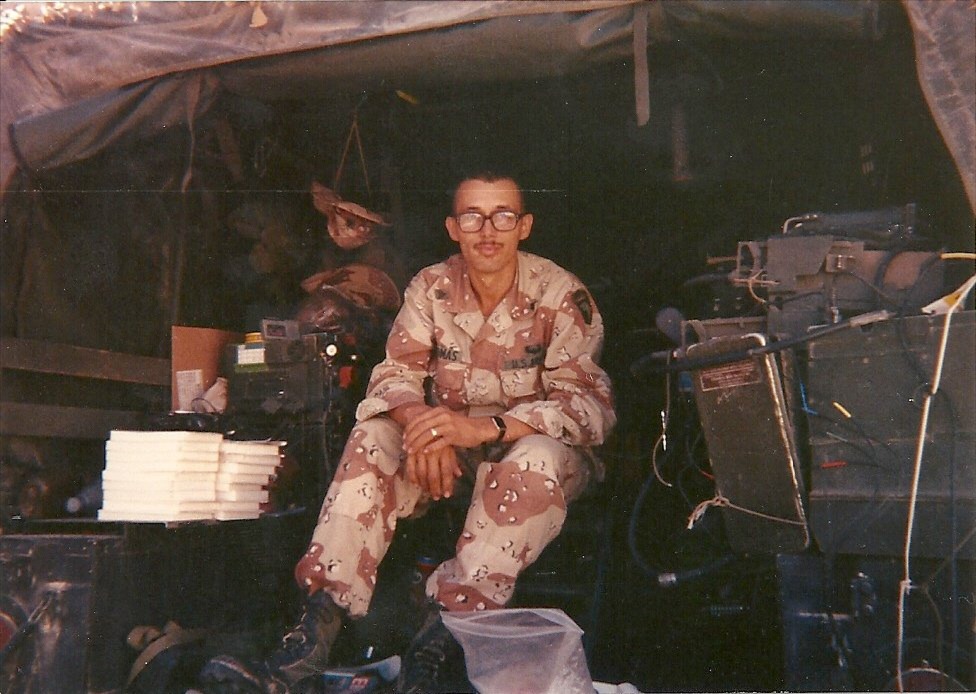
101st Airborne • U.S. Army • 1990
U.S. Army

4th Infantry Division • U.S. Army • 1967
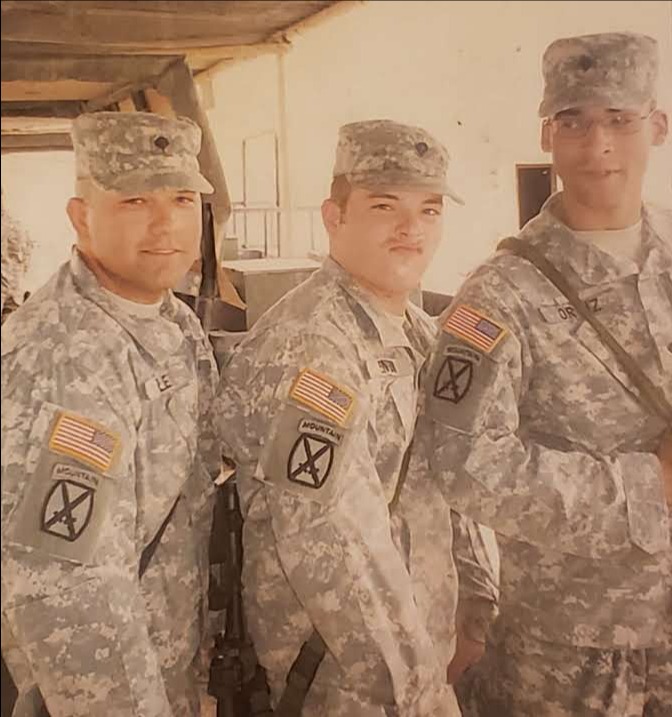
3rd Infantry Division • U.S. Army • 2007