
Opening branch overview
Building the branch home surface
Loading branch highlights, featured unit context, and gallery moments.
Overview
Members
Units
Building the branch home surface
Loading branch highlights, featured unit context, and gallery moments.
Building the branch units surface
Loading unit filters, rankings, and the branch unit grid.

15 members•1 unit
Relive and share the memories of your service-time with your brothers and sisters in arms today. VetFriends.com can help you reconnect.
Did you proudly serve in the 43rd MASH?
Are you looking for someone who is or was in the 43rd MASH?
Do you have 43rd MASH photos you'd like to share?
Then join a community with your brothers and sisters of the 43rd MASH.
Branch
U.S. Army
Members
15
The 43rd Mobile Army Surgical Hospital (MASH) was a United States Army unit established during the Korean War, tasked with providing rapid and advanced surgical care close to the front lines. Renowned for its mobility and efficiency, the 43rd MASH played a crucial role in saving countless lives by stabilizing wounded soldiers before they were evacuated to more permanent medical facilities. The unit became widely recognized in popular culture due to its portrayal in the novel, film, and television series "M*A*S*H," though the stories were a blend of fiction and accounts from various MASH units. The innovations and experiences of the 43rd MASH contributed significantly to the development of modern battlefield medicine and led to the evolution of the contemporary Combat Support Hospital (CSH) system.
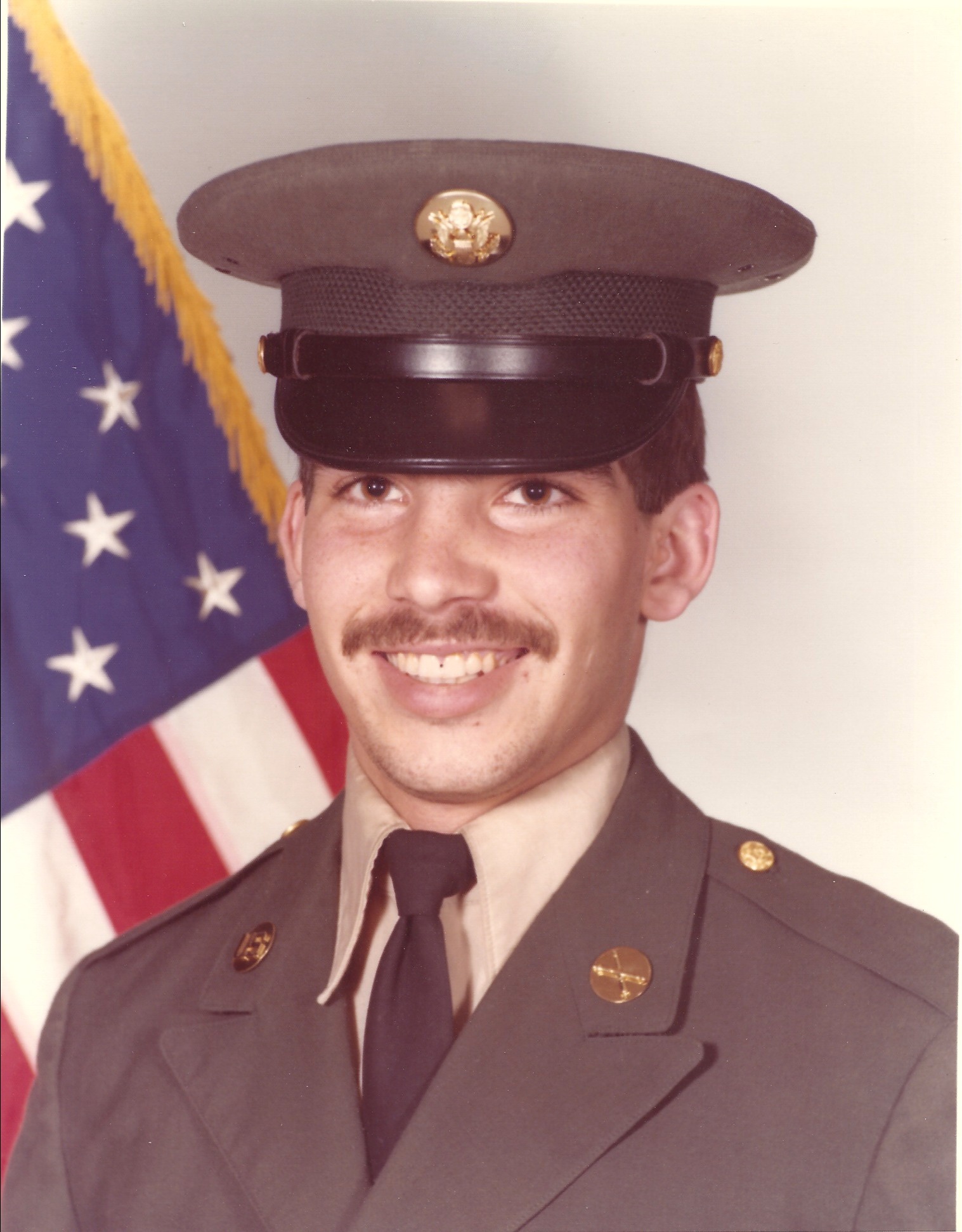
ARTILLERY • U.S. Army
U.S. Army
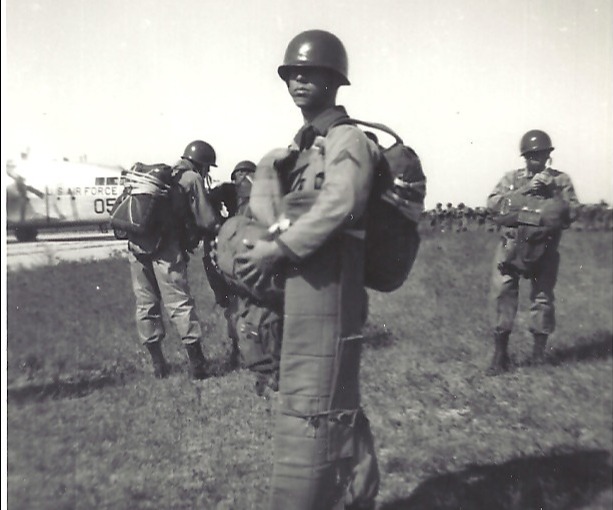
82nd Airborne • U.S. Army • 1954
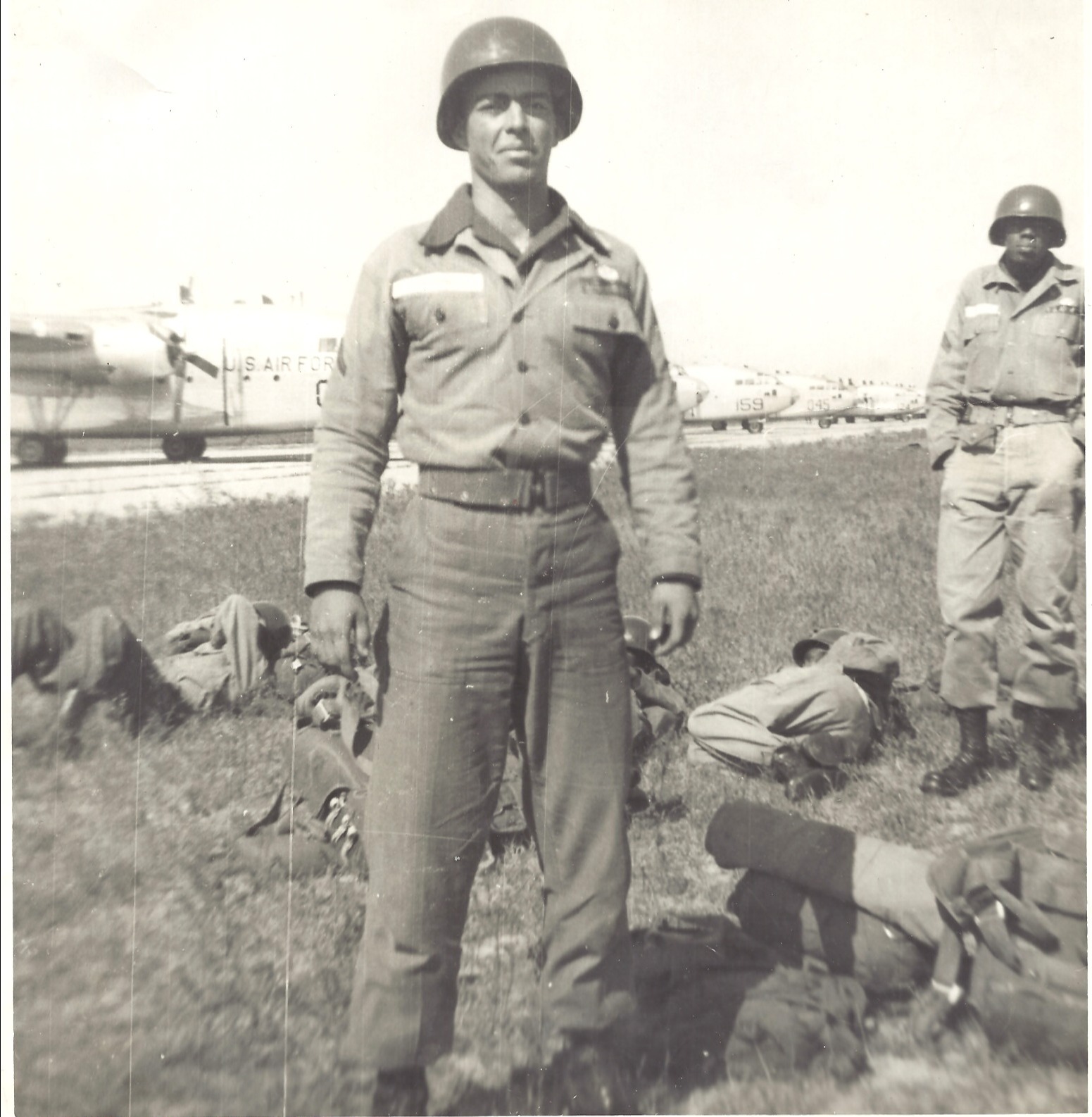
82nd Airborne • U.S. Army • 1954