Over 3,064,780 active members

U.S. Army•3 members
Relive and share the memories of your service-time with your brothers and sisters in arms today. VetFriends.com can help you reconnect.
Did you proudly serve in the 42nd S & T?
Are you looking for someone who is or was in the 42nd S & T?
Do you have 42nd S & T photos you'd like to share?
Then join a community with your brothers and sisters of the 42nd S & T.
Branch
U.S. Army
Members
3
The 42nd Supply and Transportation (S&T) Battalion was a vital logistical unit in the U.S. Army, historically assigned to provide supply, maintenance, and transportation support to larger formations such as divisions or corps. Originally constituted during the Cold War era, the battalion played a key role in ensuring the rapid movement of materiel and personnel, particularly during training exercises and potential contingency operations in Europe. The 42nd S&T Battalion was known for its adaptability, supporting both peacetime operations and deployments. Over the years, its missions evolved with the Army’s transformation, with elements of the battalion often reflagged or reorganized to meet changing logistical requirements.
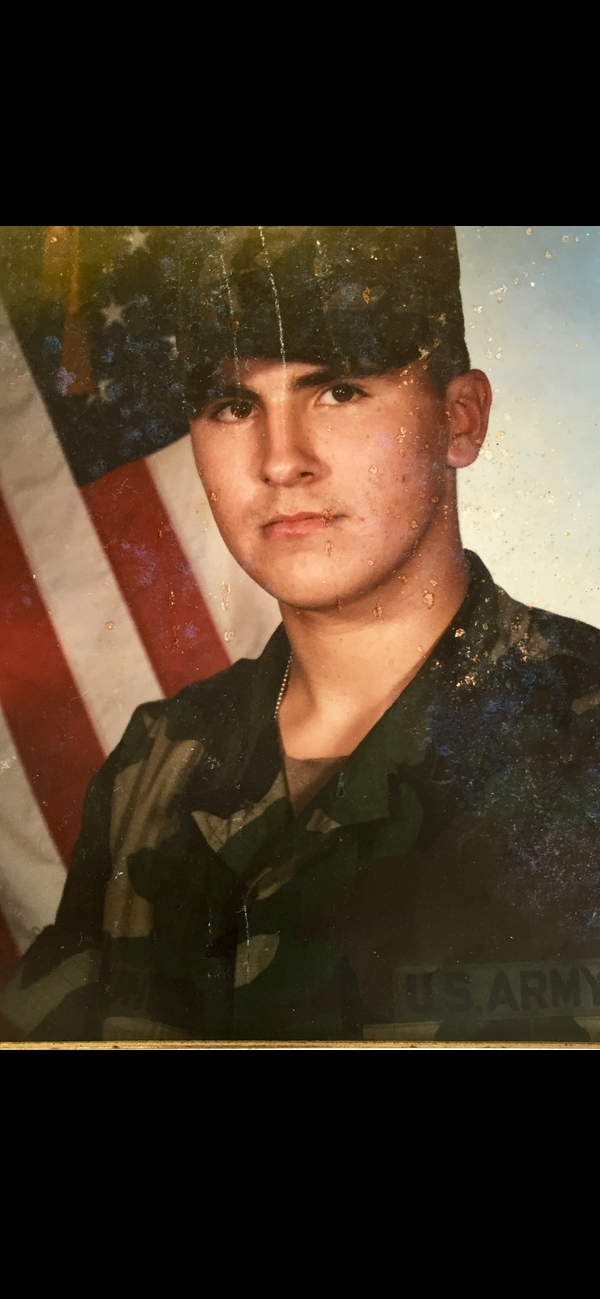
Company C 1st Bn. 38th Inf. Regt. • U.S. Army • 1989
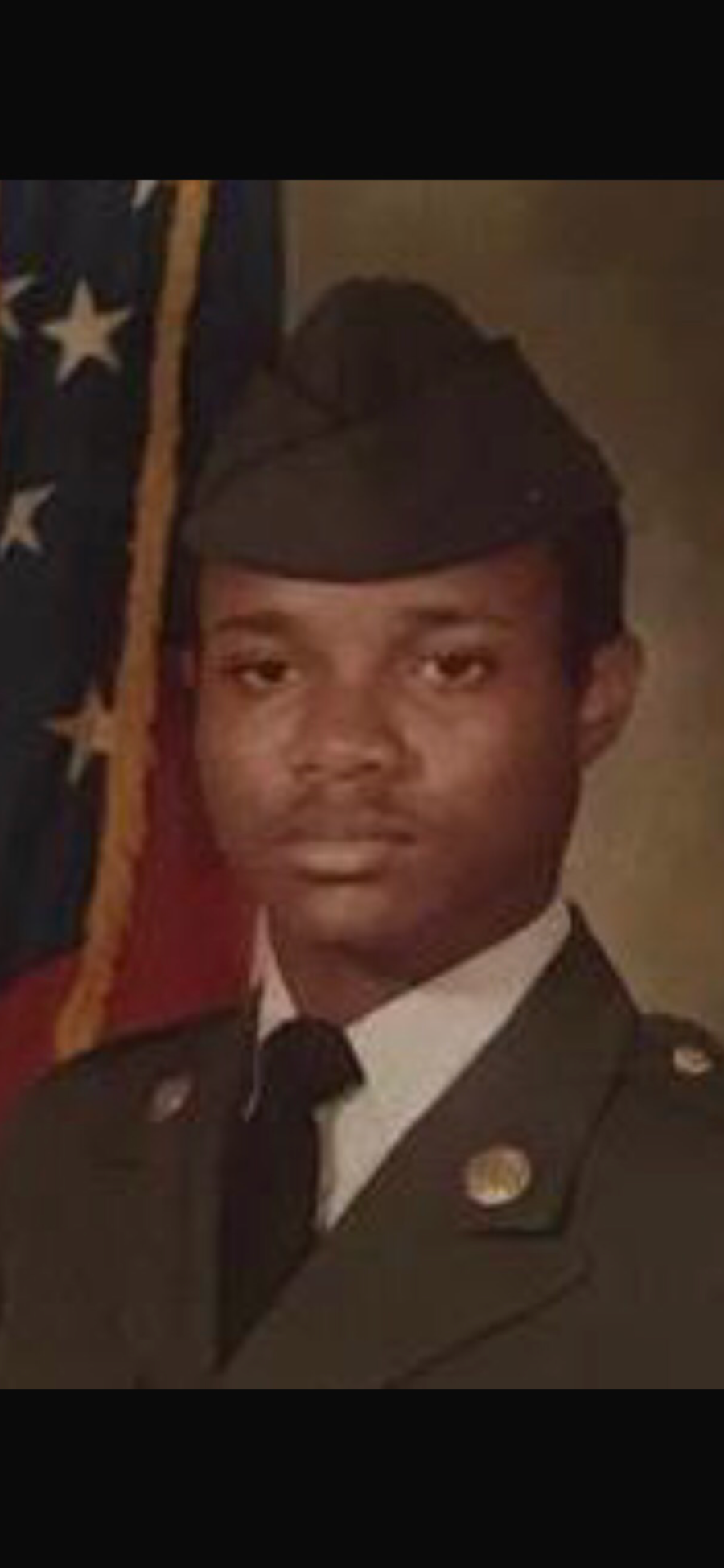
101st airborne division • U.S. Army

U.S. Army
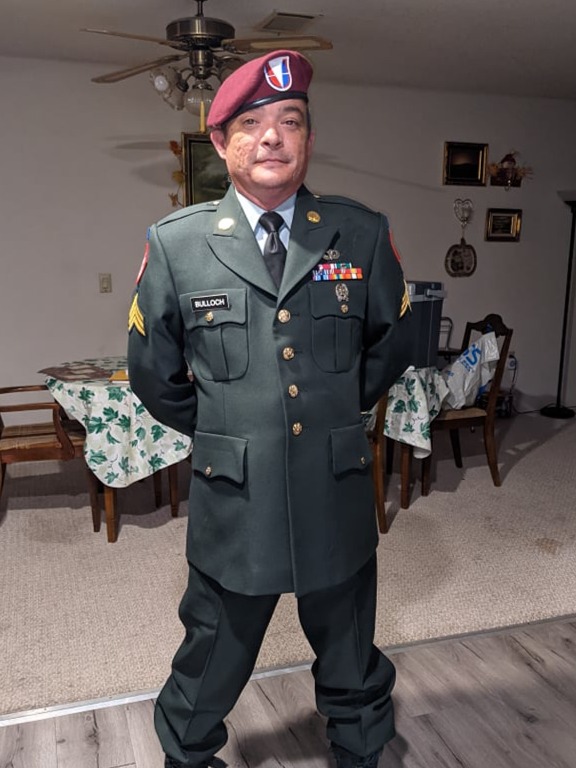
82nd Airborne • U.S. Army • 2018
