
Opening branch overview
Building the branch home surface
Loading branch highlights, featured unit context, and gallery moments.
Overview
Members
Units
Building the branch home surface
Loading branch highlights, featured unit context, and gallery moments.
Building the branch units surface
Loading unit filters, rankings, and the branch unit grid.

U.S. Army•3 members
Relive and share the memories of your service-time with your brothers and sisters in arms today. VetFriends.com can help you reconnect.
Did you proudly serve in the 3rd 73rd (Airborne)Armor Ft.Bragg NC?
Are you looking for someone who is or was in the 3rd 73rd (Airborne)Armor Ft.Bragg NC?
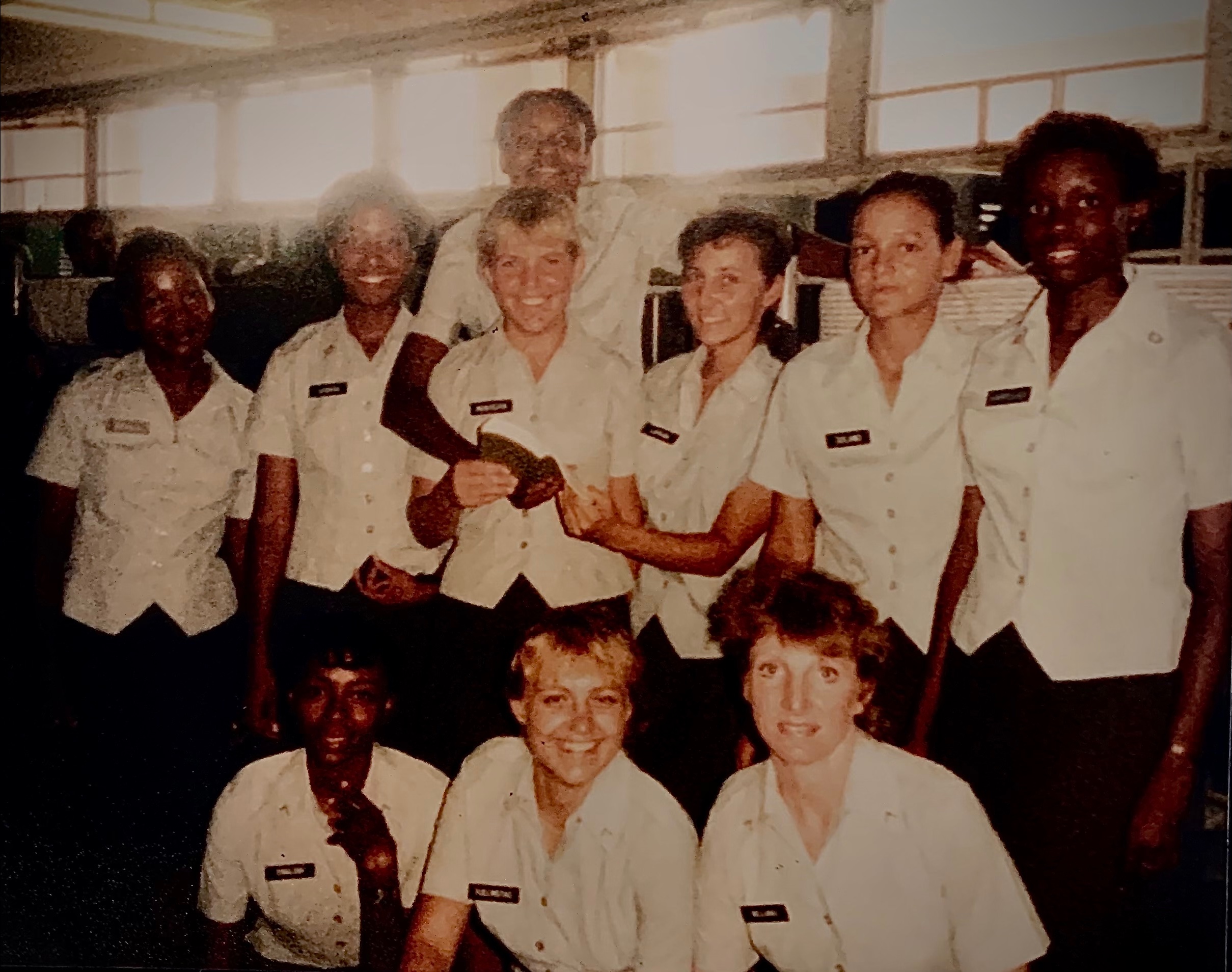
Do you have 3rd 73rd (Airborne)Armor Ft.Bragg NC photos you'd like to share?
Then join a community with your brothers and sisters of the 3rd 73rd (Airborne)Armor Ft.Bragg NC.
The 3rd Battalion, 73rd Armor Regiment (Airborne), based at Fort Bragg, NC, was a unique unit within the U.S. Army, serving as the only airborne armor battalion. Reactivated in 1988, the battalion provided rapidly deployable armored support for the 82nd Airborne Division, utilizing the M551 Sheridan light tank. The 3-73rd Armor saw action during Operation Just Cause in Panama in 1989 and participated in Operation Desert Storm in 1991. The battalion was inactivated in 1997 as the Army retired the Sheridan and restructured its airborne forces.

U.S. Army
U.S. Army

U.S. Army

U.S. Army