
Opening branch overview
Building the branch home surface
Loading branch highlights, featured unit context, and gallery moments.
Overview
Members
Units
Building the branch home surface
Loading branch highlights, featured unit context, and gallery moments.
Building the branch units surface
Loading unit filters, rankings, and the branch unit grid.

37 members•1 unit
Relive and share the memories of your service-time with your brothers and sisters in arms today. VetFriends.com can help you reconnect.
Did you proudly serve in the 370th General Hospital?
Are you looking for someone who is or was in the 370th General Hospital?
Do you have 370th General Hospital photos you'd like to share?
Then join a community with your brothers and sisters of the 370th General Hospital.
Branch
U.S. Army
Members
37
The 370th General Hospital was a United States Army medical unit activated during World War II. Organized in 1943, the unit was trained to provide comprehensive medical care to wounded soldiers in the European Theater. The 370th deployed to France following the D-Day landings, establishing hospital facilities to treat casualties from the front lines. After the war, the unit was deactivated as part of the postwar drawdown of military medical services.
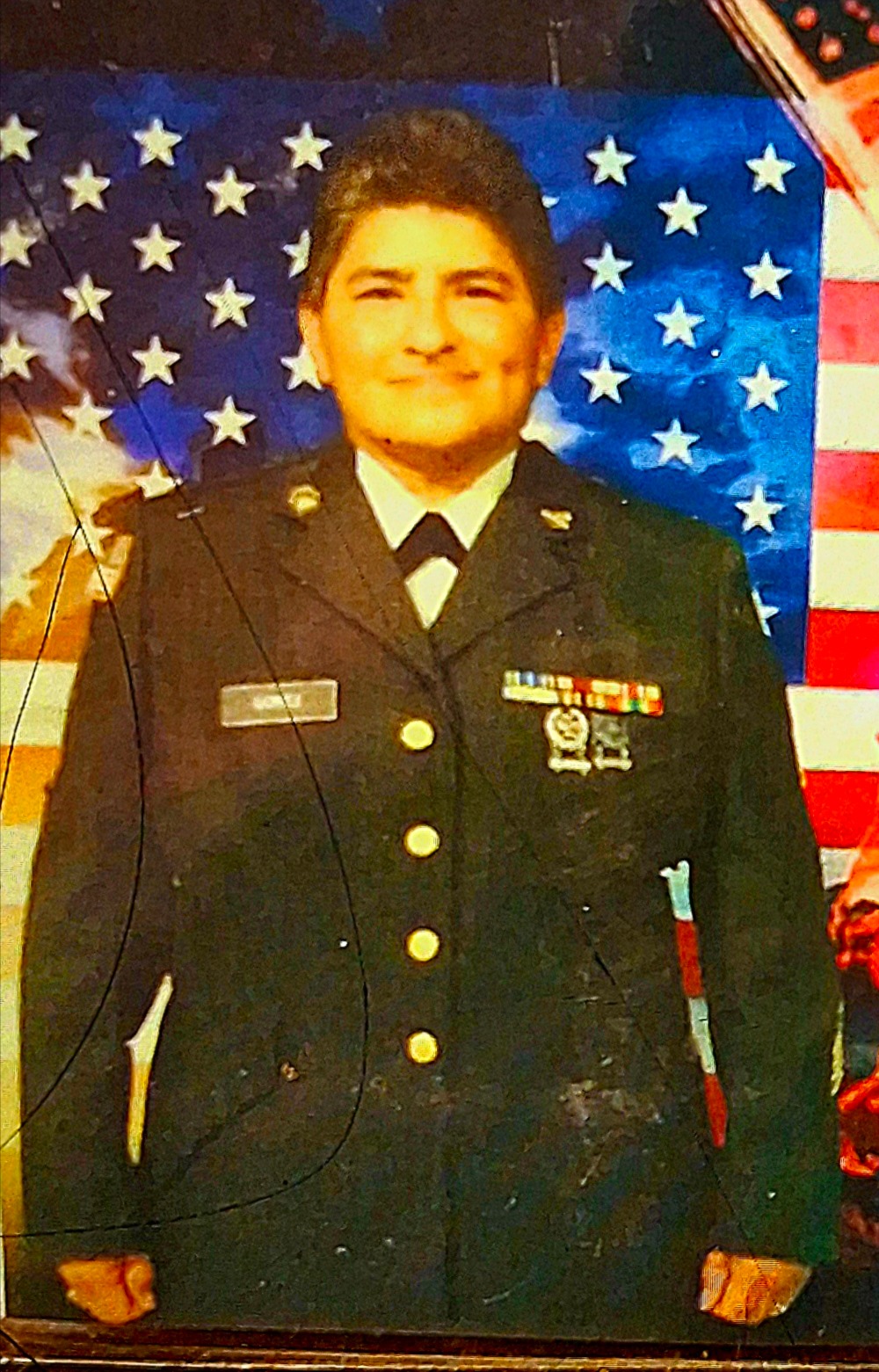
1st BN /65th ADA Co. • U.S. Army • 1980
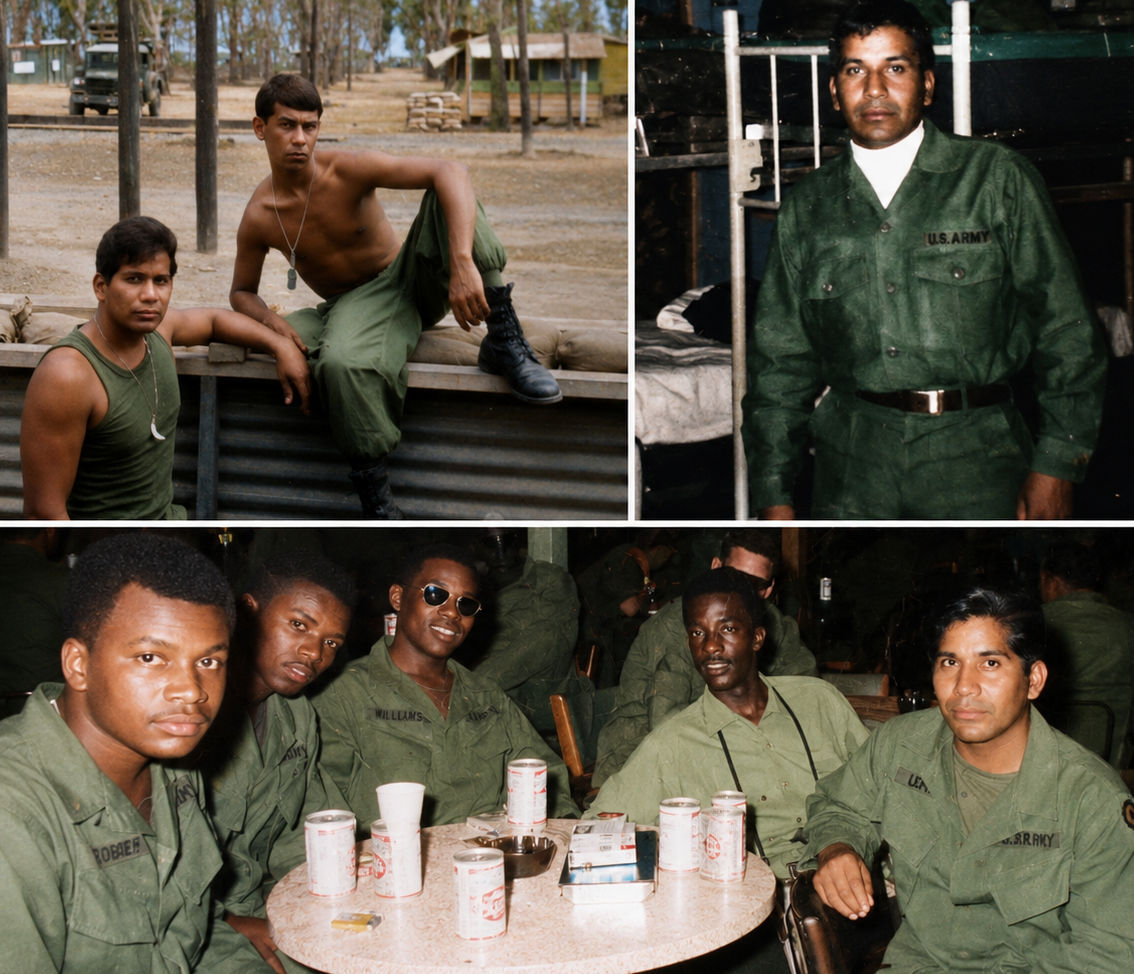
U.S. Army
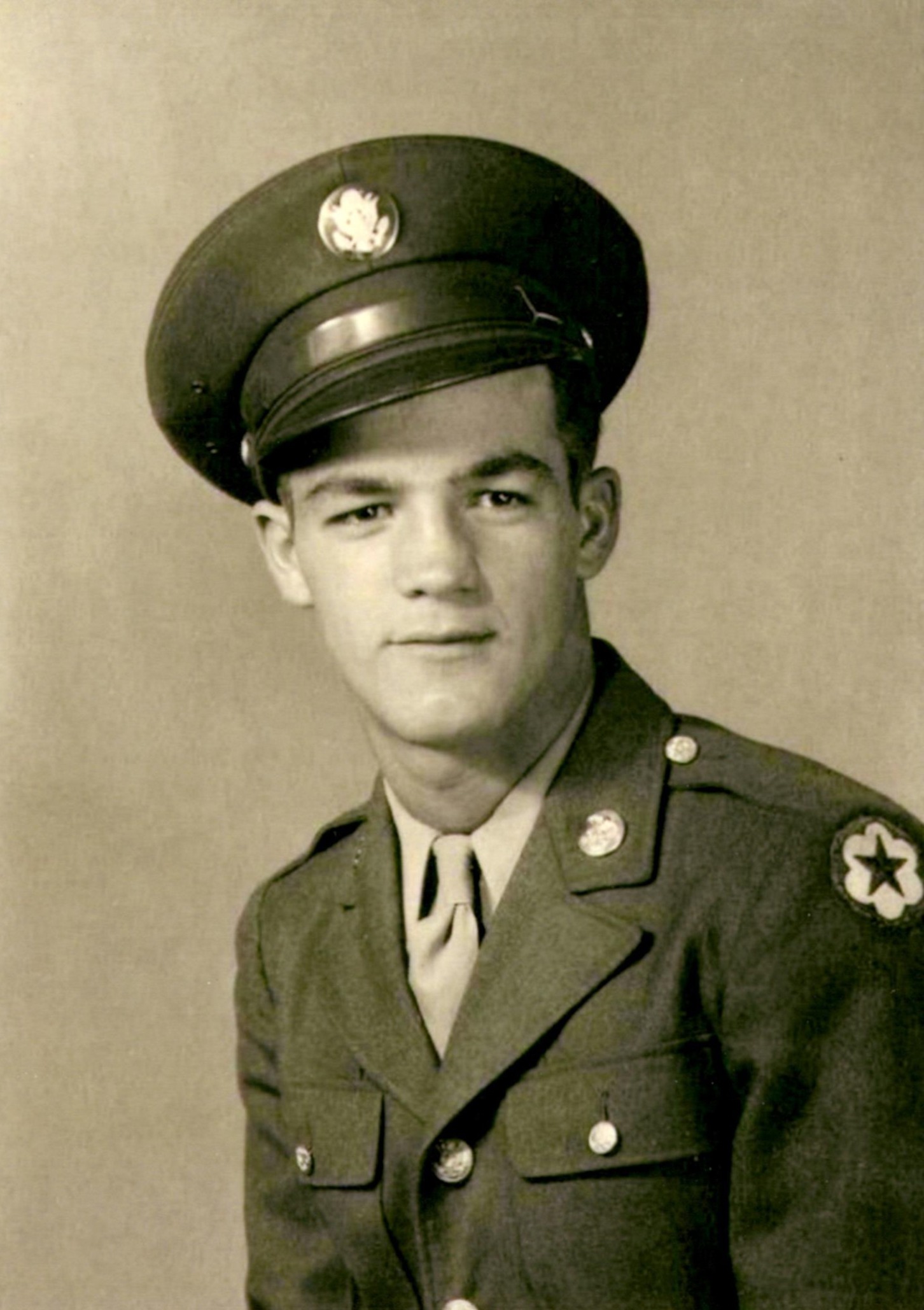
CBI • U.S. Army
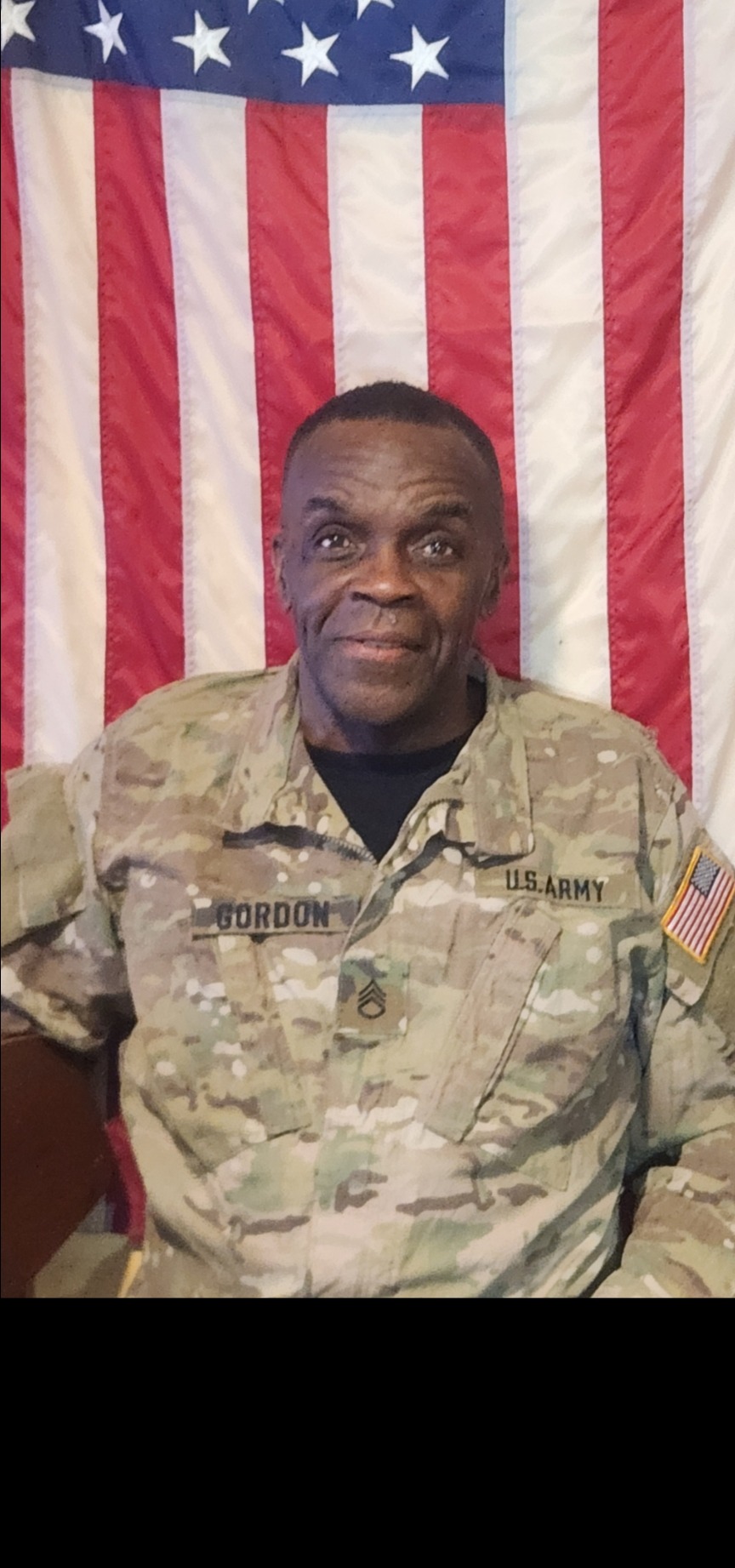
3 Infantry Signal • U.S. Army • 1980