
Opening branch overview
Building the branch home surface
Loading branch highlights, featured unit context, and gallery moments.
Overview
Members
Units
Building the branch home surface
Loading branch highlights, featured unit context, and gallery moments.
Building the branch units surface
Loading unit filters, rankings, and the branch unit grid.

38 members•1 unit
Relive and share the memories of your service-time with your brothers and sisters in arms today. VetFriends.com can help you reconnect.
Did you proudly serve in the 36th Medical Clearing co.?
Are you looking for someone who is or was in the 36th Medical Clearing co.?
Do you have 36th Medical Clearing co. photos you'd like to share?
Then join a community with your brothers and sisters of the 36th Medical Clearing co..
Branch
U.S. Army
Members
38
The 36th Medical Clearing Company was a U.S. Army medical unit active during World War II. Its primary mission was to provide medical care and manage casualty evacuation near the front lines, serving as an essential link between battalion aid stations and field hospitals. The unit was attached to various divisions, including the 1st Infantry Division, and participated in major campaigns such as the Normandy invasion, the liberation of France, and the push into Germany. Throughout its service, the 36th Medical Clearing Company played a crucial role in saving lives by rapidly treating and stabilizing wounded soldiers under challenging combat conditions.
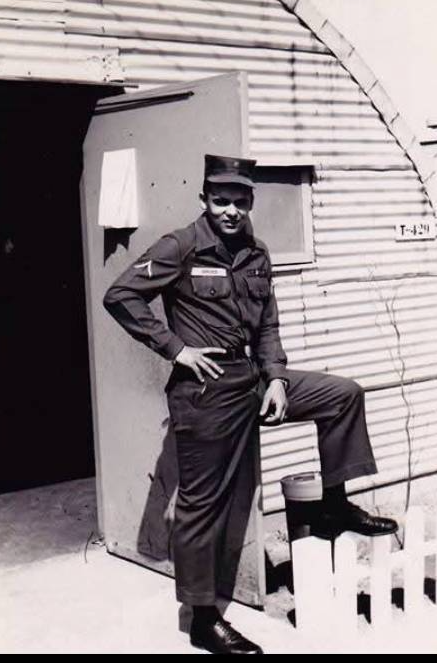
4th Missile Command South Korea • U.S. Army • 1961
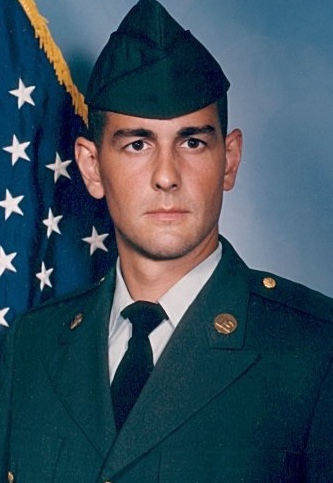
1/56 ADA • U.S. Army • 1996

Artillery • U.S. Army

Btrp 7/17th 6th ACCB • U.S. Army • 1973