
Opening branch overview
Building the branch home surface
Loading branch highlights, featured unit context, and gallery moments.
Overview
Members
Units
Building the branch home surface
Loading branch highlights, featured unit context, and gallery moments.
Building the branch units surface
Loading unit filters, rankings, and the branch unit grid.

37 members•1 unit
Relive and share the memories of your service-time with your brothers and sisters in arms today. VetFriends.com can help you reconnect.
Did you proudly serve in the 361st Medical Laboratory?
Are you looking for someone who is or was in the 361st Medical Laboratory?
Do you have 361st Medical Laboratory photos you'd like to share?
Then join a community with your brothers and sisters of the 361st Medical Laboratory.
Branch
U.S. Army
Members
37
The 361st Medical Laboratory was constituted on 16 July 1942 and activated at Camp Barkeley, Texas, during World War II. As a key element of the U.S. Army’s medical service, the unit provided laboratory and diagnostic support for American forces in the European Theater. The 361st played a vital role in disease prevention, outbreak investigation, and medical testing, directly contributing to troop health and operational effectiveness. After the end of the war, the unit was inactivated on 25 November 1945 as part of the postwar drawdown.
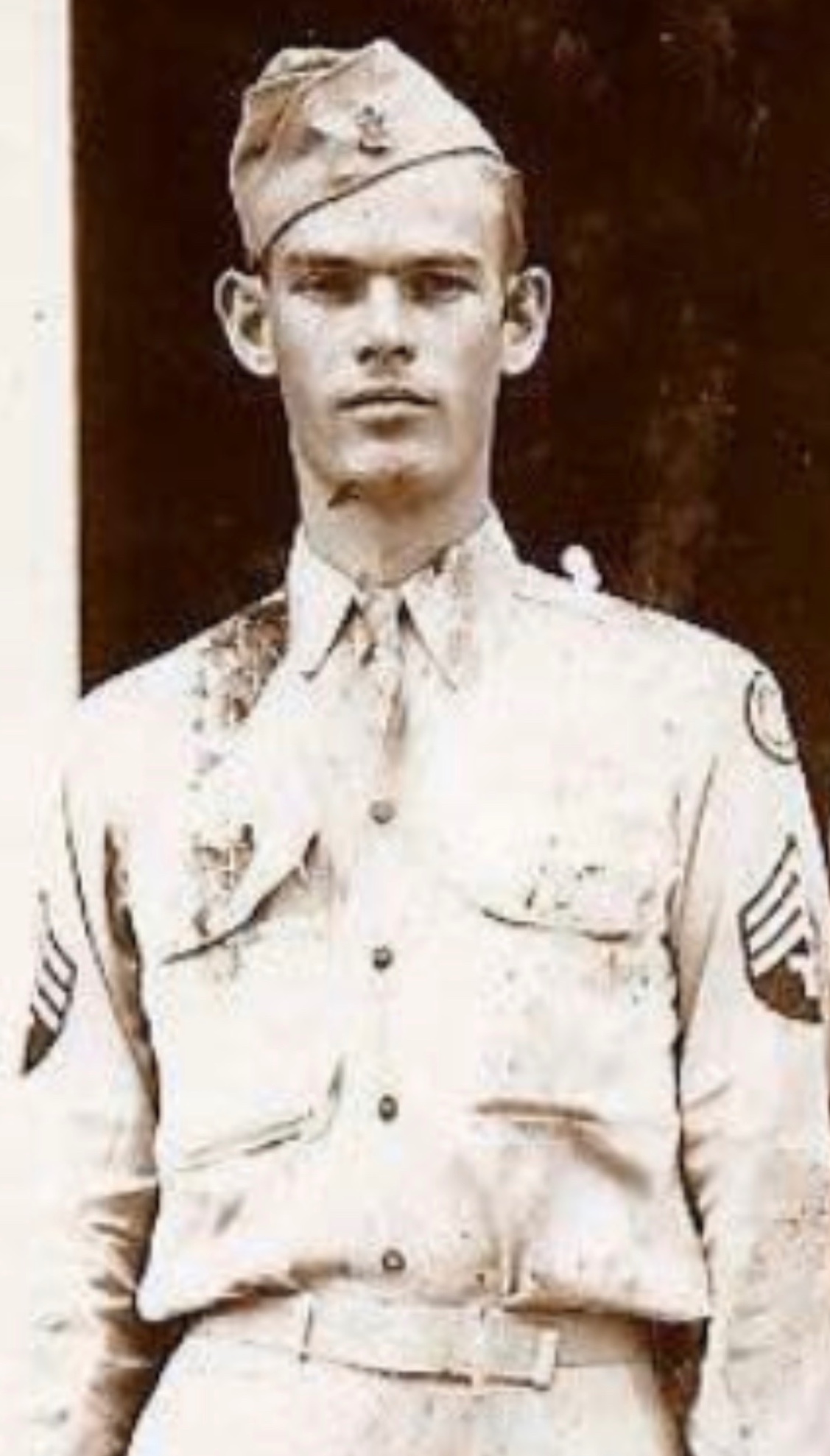
60 Infantry, 9th Division • U.S. Army
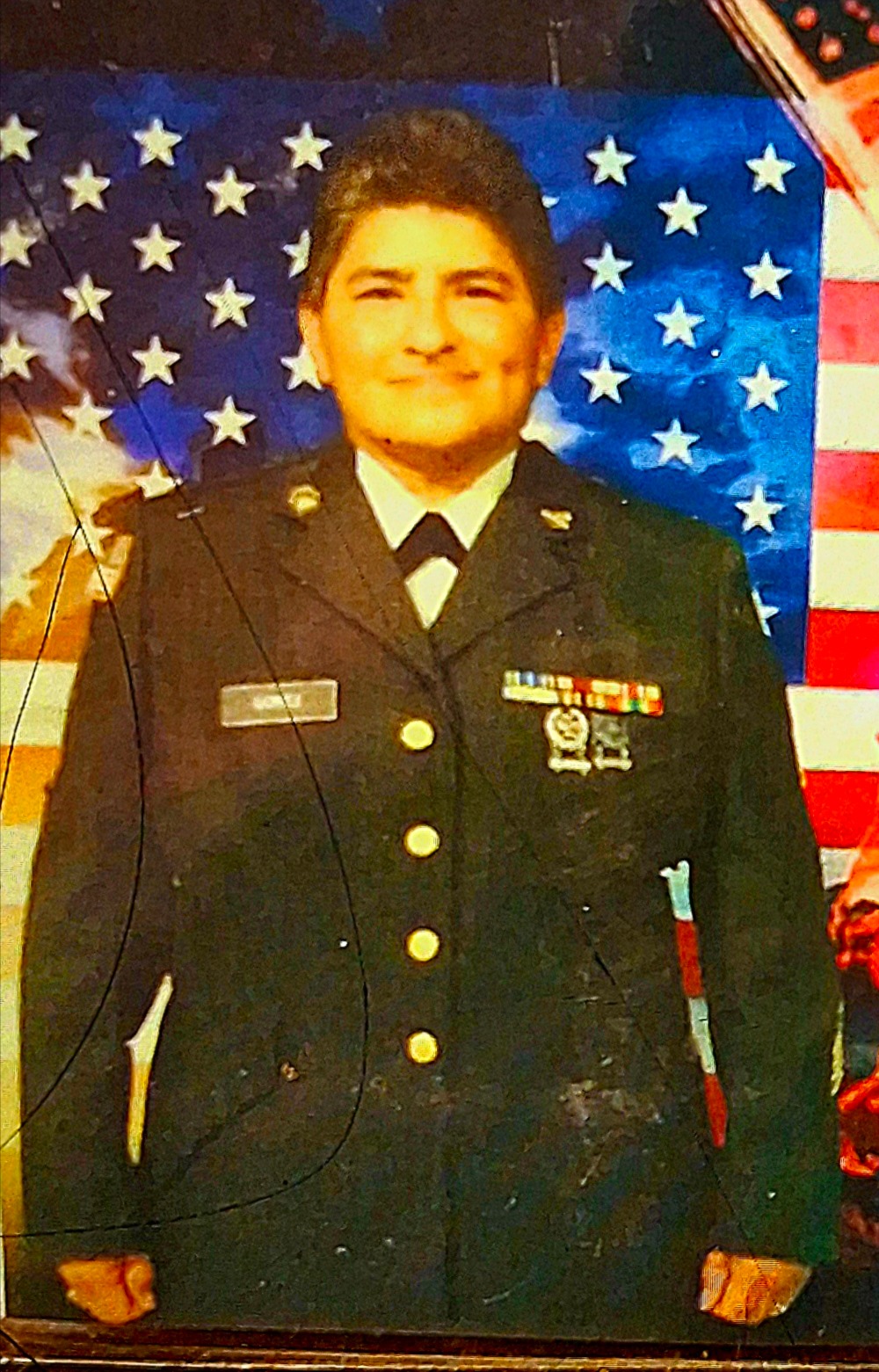
1st BN /65th ADA Co. • U.S. Army • 1980
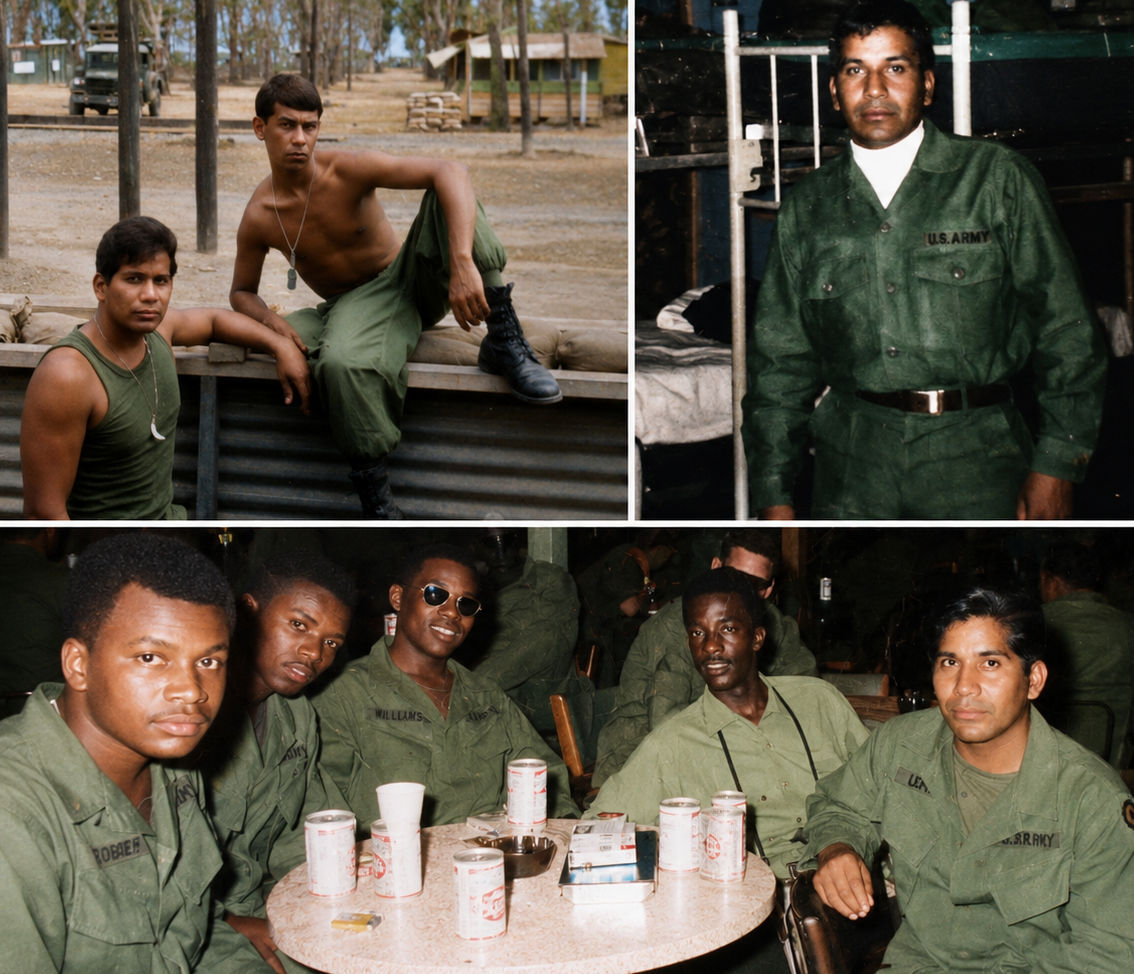
U.S. Army
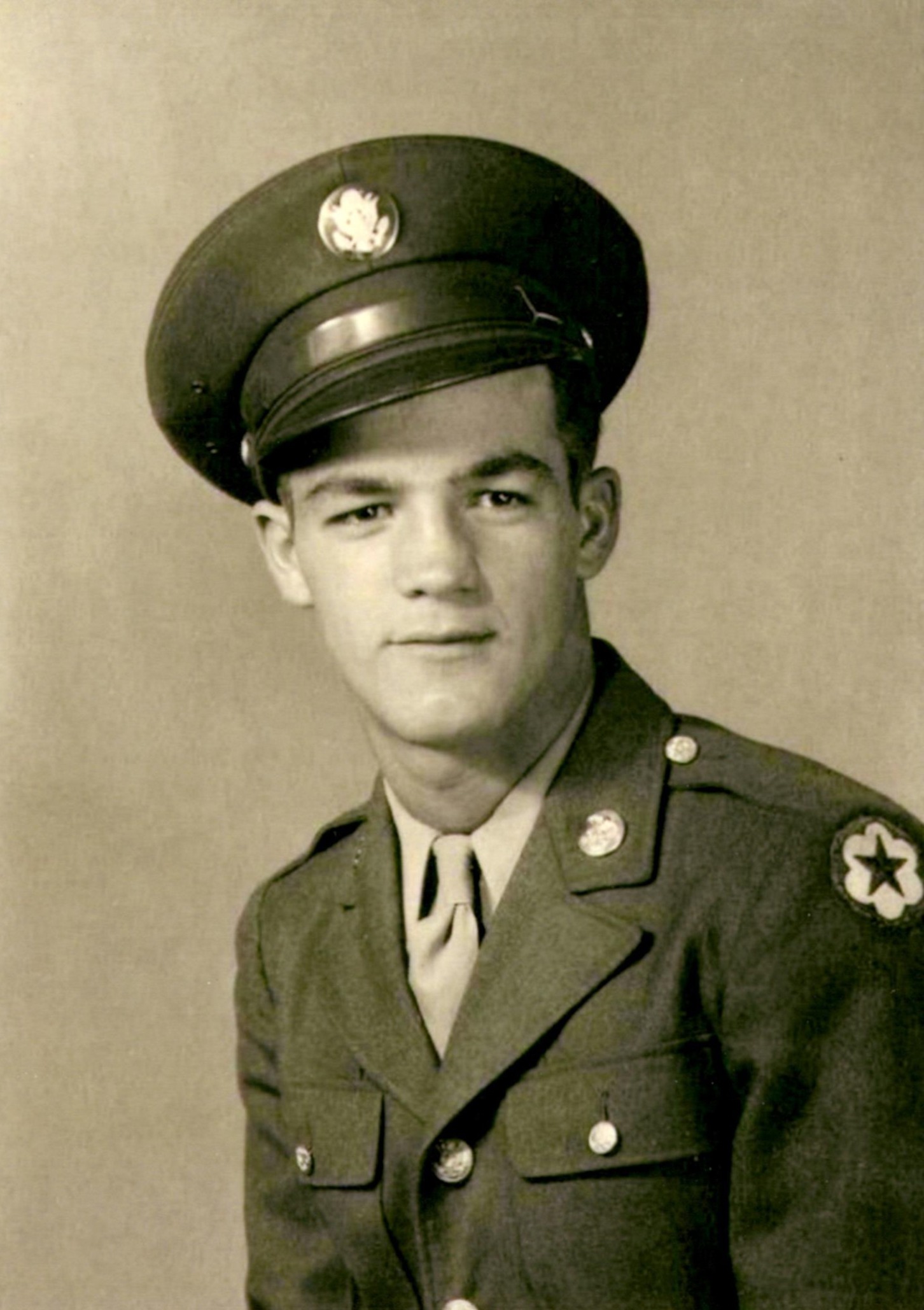
CBI • U.S. Army