
Opening branch overview
Building the branch home surface
Loading branch highlights, featured unit context, and gallery moments.
Overview
Members
Units
Building the branch home surface
Loading branch highlights, featured unit context, and gallery moments.
Building the branch units surface
Loading unit filters, rankings, and the branch unit grid.

1 members•1 unit
Relive and share the memories of your service-time with your brothers and sisters in arms today. VetFriends.com can help you reconnect.
Did you proudly serve in the 33rd Field Hospital?
Are you looking for someone who is or was in the 33rd Field Hospital?
Do you have 33rd Field Hospital photos you'd like to share?
Then join a community with your brothers and sisters of the 33rd Field Hospital.
Branch
U.S. Army
Members
1
The 33rd Field Hospital was a U.S. Army medical unit first constituted on 23 June 1943 during World War II. Activated at Camp Ellis, Illinois, the hospital provided critical medical support to combat troops in the European Theater, notably participating in campaigns in Normandy, Northern France, Rhineland, Ardennes-Alsace, and Central Europe. After World War II, the unit was inactivated but later reactivated and redesignated several times, serving during the Cold War and supporting various humanitarian and training missions. The 33rd Field Hospital’s legacy is marked by its rapid deployment capability and lifesaving care under combat conditions.
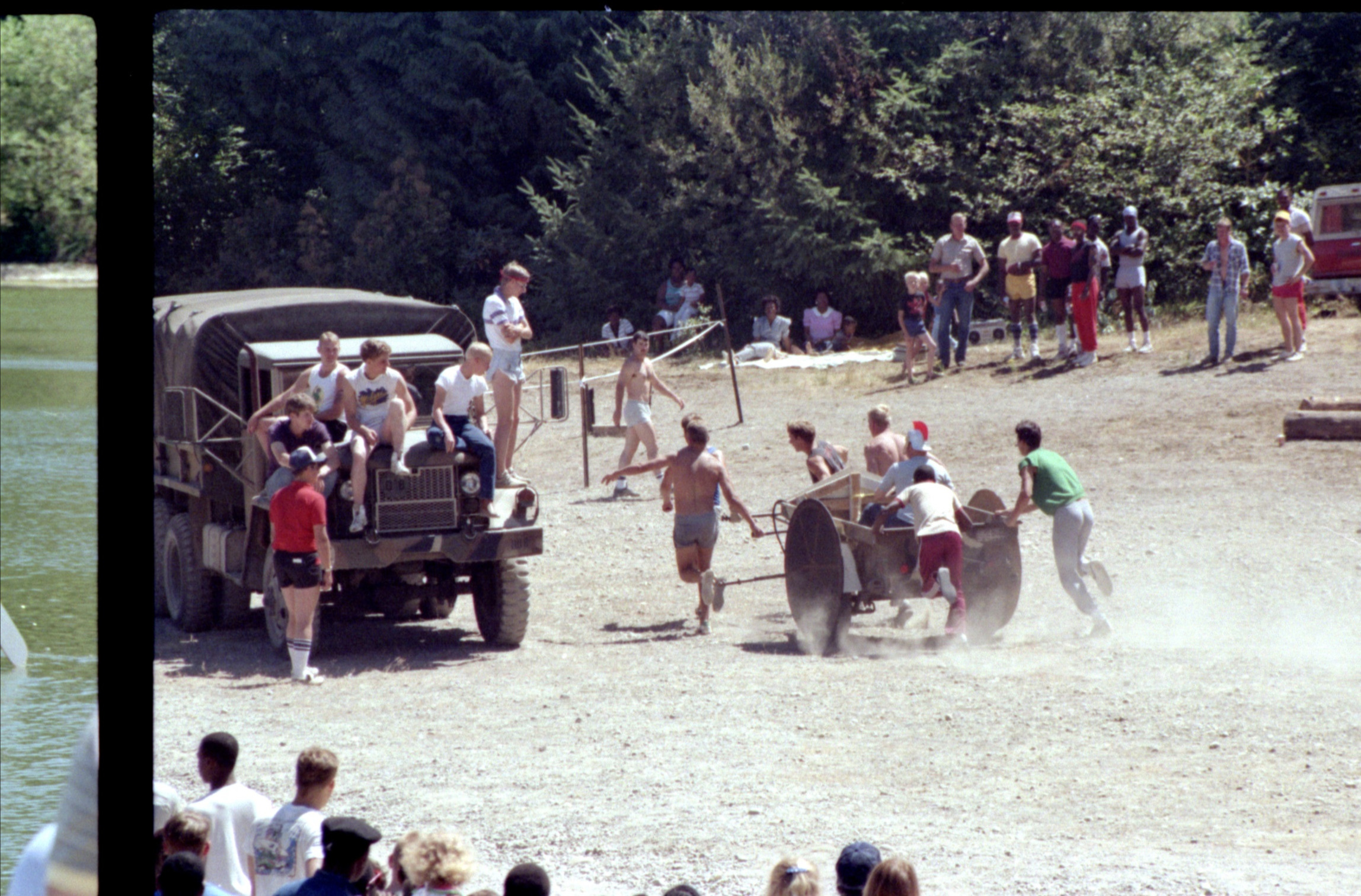
73rd Engineer Company • U.S. Army • 1986
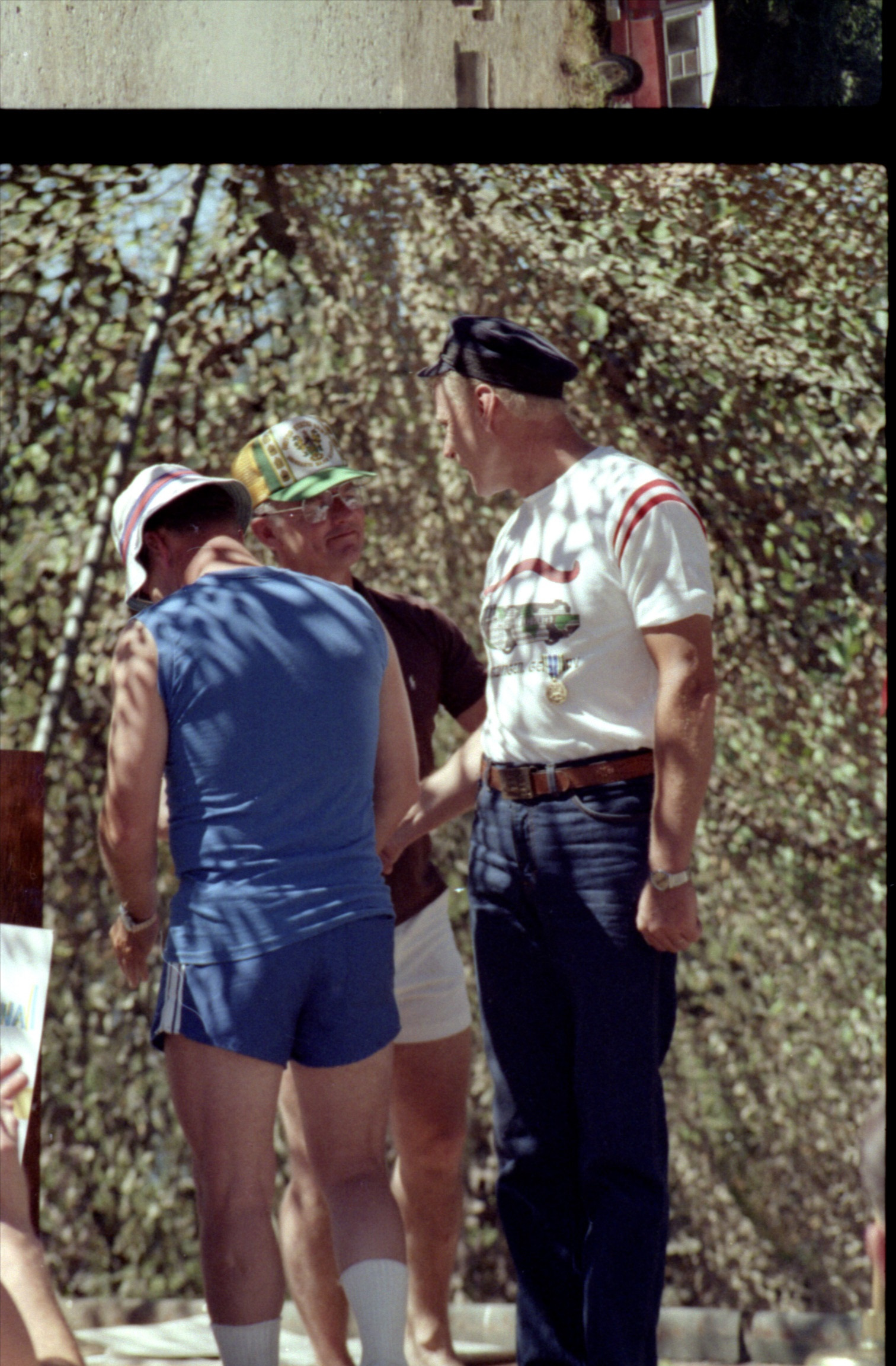
U.S. Army • 1985
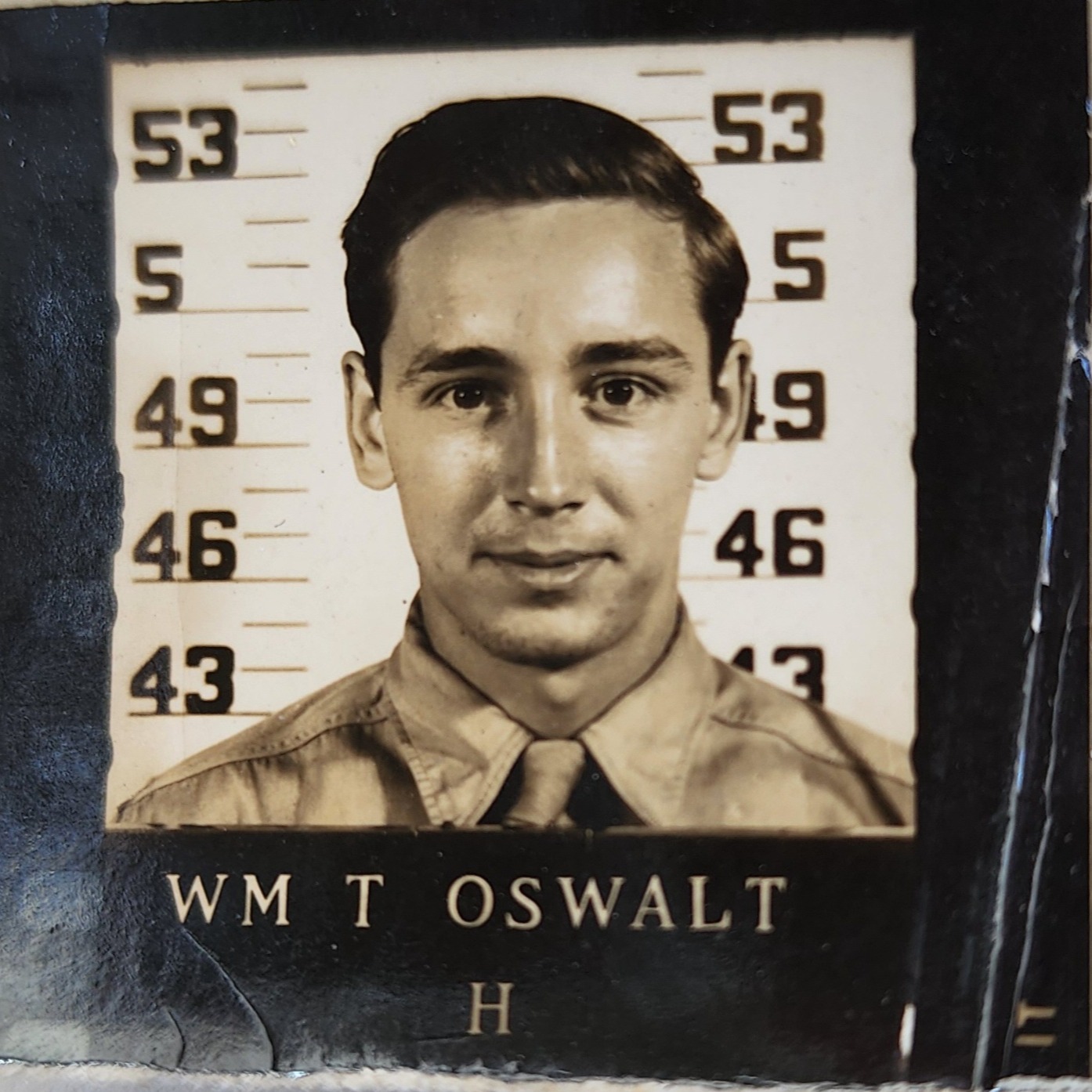
U.S. Army • 1944
U.S. Army