
Opening branch overview
Building the branch home surface
Loading branch highlights, featured unit context, and gallery moments.
Overview
Members
Units
Building the branch home surface
Loading branch highlights, featured unit context, and gallery moments.
Building the branch units surface
Loading unit filters, rankings, and the branch unit grid.

3 members•1 unit
Relive and share the memories of your service-time with your brothers and sisters in arms today. VetFriends.com can help you reconnect.
Did you proudly serve in the 330th Army Post Office?
Are you looking for someone who is or was in the 330th Army Post Office?
Do you have 330th Army Post Office photos you'd like to share?
Then join a community with your brothers and sisters of the 330th Army Post Office.
Branch
U.S. Army
Members
3
The 330th Army Post Office (APO) was established during World War II as part of the U.S. Army’s effort to maintain vital communications between deployed troops and their families back home. Activated in the early 1940s, the unit was tasked with processing and delivering mail to American forces stationed across the European Theater of Operations. The 330th APO played a crucial role in sustaining morale by ensuring timely and secure mail delivery despite the challenges of wartime logistics and frequent relocations. After the war, the unit continued to provide postal support during the occupation period before being deactivated as the military downsized its overseas presence.

U.S. Army

U.S. Army
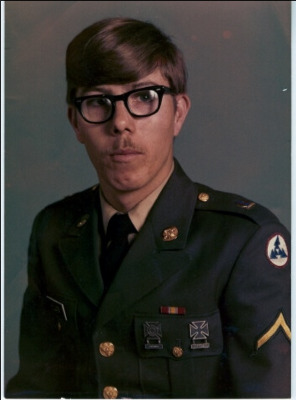
41 TRANS CO 181 TRANS BN • U.S. Army • 1974
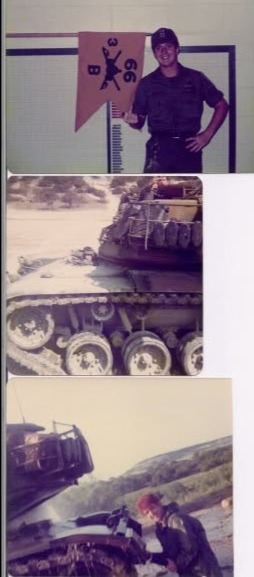
2nd Armored Division • U.S. Army • 1981