
Opening branch overview
Building the branch home surface
Loading branch highlights, featured unit context, and gallery moments.
Overview
Members
Units
Building the branch home surface
Loading branch highlights, featured unit context, and gallery moments.
Building the branch units surface
Loading unit filters, rankings, and the branch unit grid.

37 members•1 unit
Relive and share the memories of your service-time with your brothers and sisters in arms today. VetFriends.com can help you reconnect.
Did you proudly serve in the 32nd MASH?
Are you looking for someone who is or was in the 32nd MASH?
Do you have 32nd MASH photos you'd like to share?
Then join a community with your brothers and sisters of the 32nd MASH.
Branch
U.S. Army
Members
37
The 32nd Mobile Army Surgical Hospital (MASH) was a United States Army medical unit renowned for its rapid-response surgical capabilities near combat zones. Activated during the Korean War, the 32nd MASH provided lifesaving emergency care to wounded soldiers, significantly improving survival rates through advanced triage and surgical techniques. The unit was highly mobile, enabling it to move with frontline troops and adapt quickly to shifting battle lines. Its legacy influenced the development of modern combat medical units, and its service contributed greatly to military medicine's evolution during the mid-20th century.

Field artillery • U.S. Army
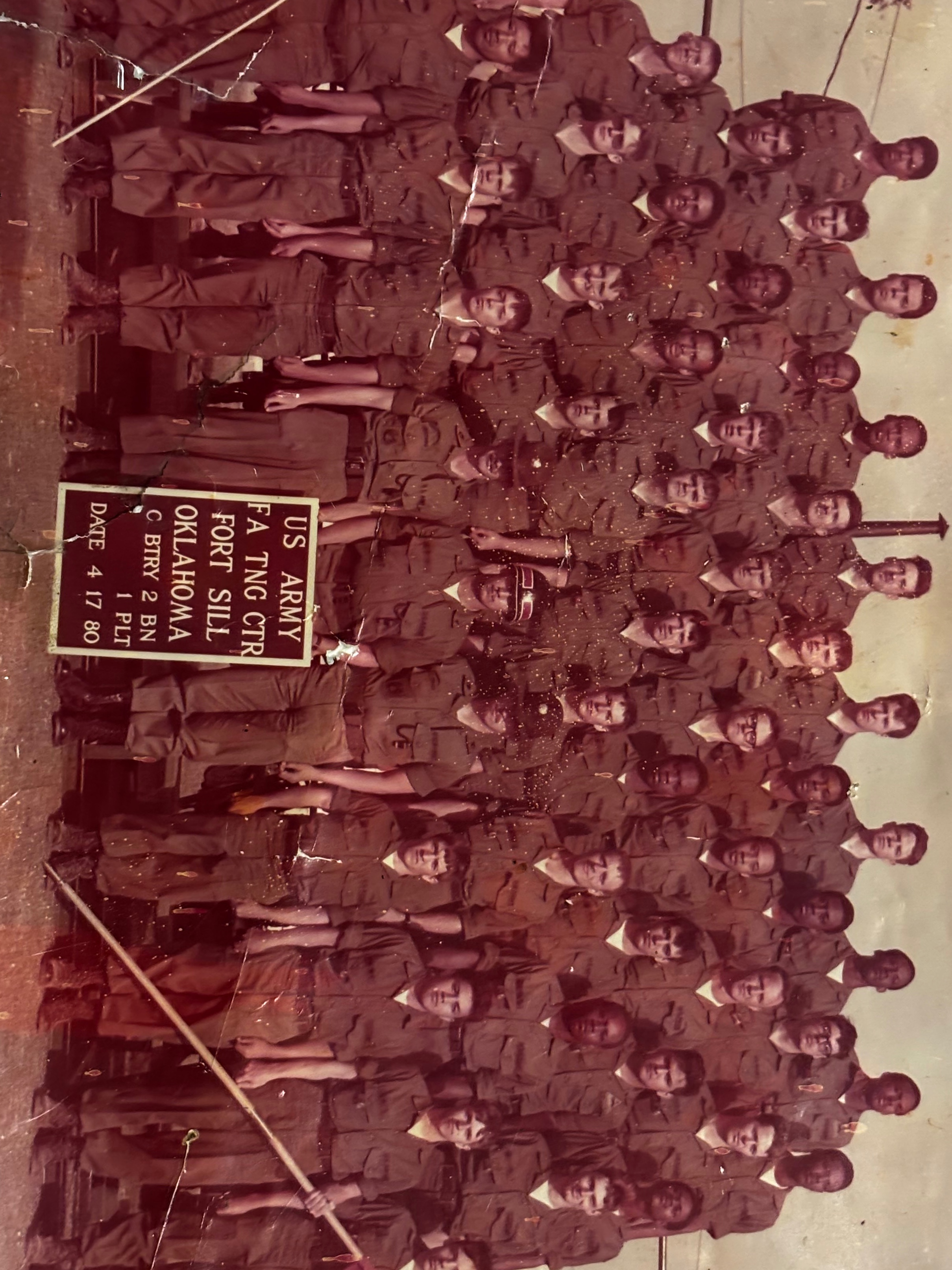
U.S. Army • 1980
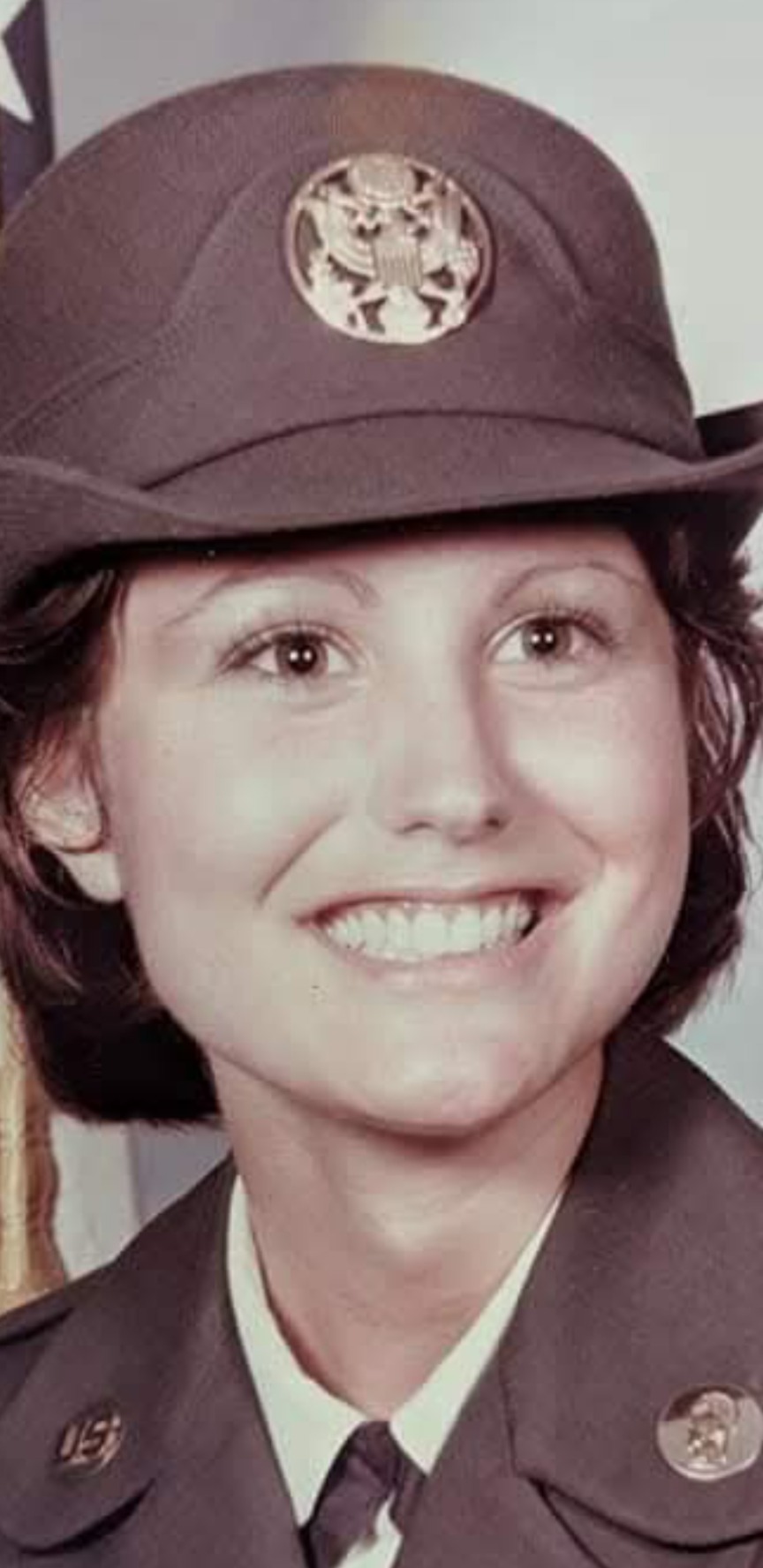
U.S. Army • 1977
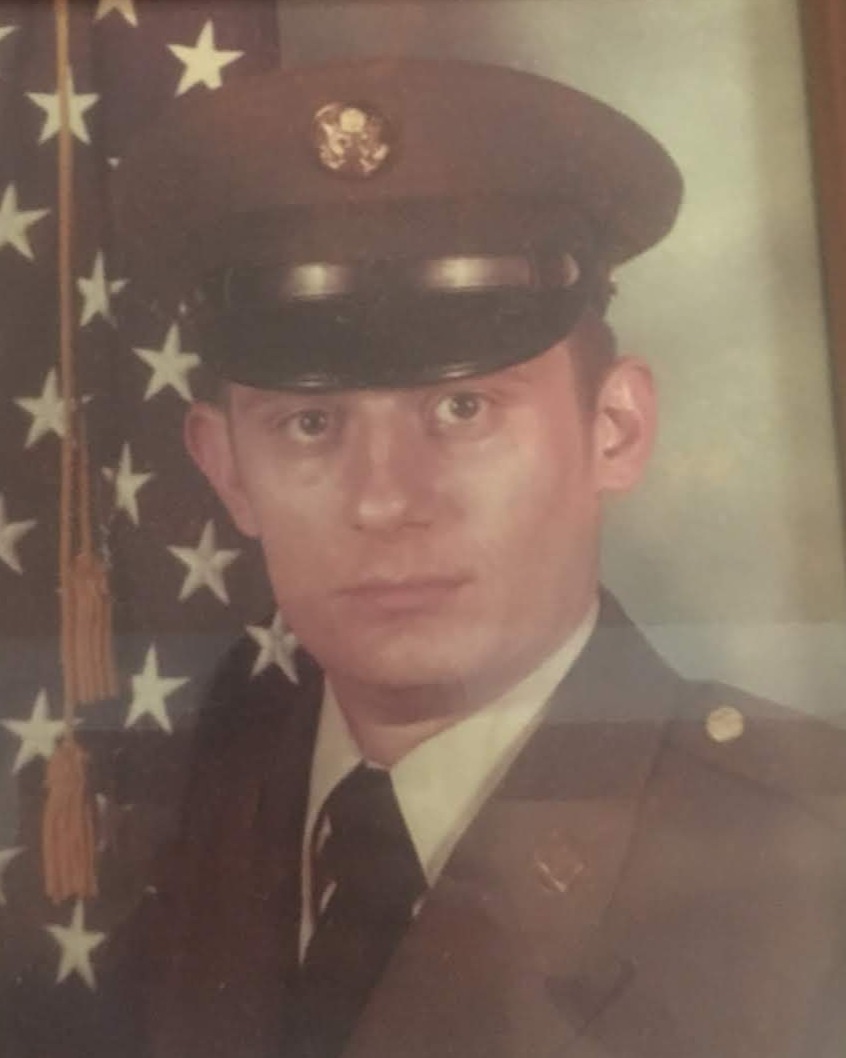
U.S. Army