
Opening branch overview
Building the branch home surface
Loading branch highlights, featured unit context, and gallery moments.
Overview
Members
Units
Building the branch home surface
Loading branch highlights, featured unit context, and gallery moments.
Building the branch units surface
Loading unit filters, rankings, and the branch unit grid.


U.S. Army•552 members
Relive and share the memories of your service-time with your brothers and sisters in arms today. VetFriends.com can help you reconnect.
Did you proudly serve in the 29th Infantry?
Are you looking for someone who is or was in the 29th Infantry?
Do you have 29th Infantry photos you'd like to share?
Then join a community with your brothers and sisters of the 29th Infantry.
The 29th Infantry Division is a unit of the United States Army that was originally formed in 1917 during World War I. It is known for its distinctive blue and gray insignia, representing the Union and Confederate soldiers who fought in the Civil War. The division has a long history of service in both World War I and World War II, as well as in conflicts in Iraq and Afghanistan. Today, the 29th Infantry Division remains a key component of the Army National Guard, providing critical support and assistance during times of war and national emergencies.

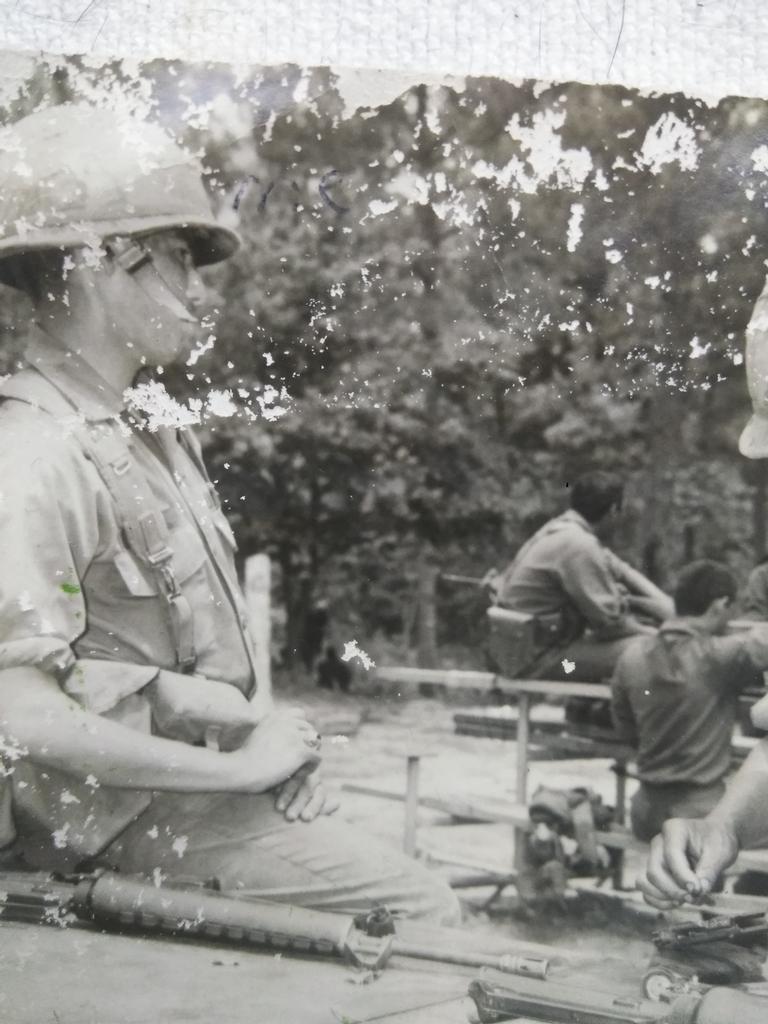
U.S. Army
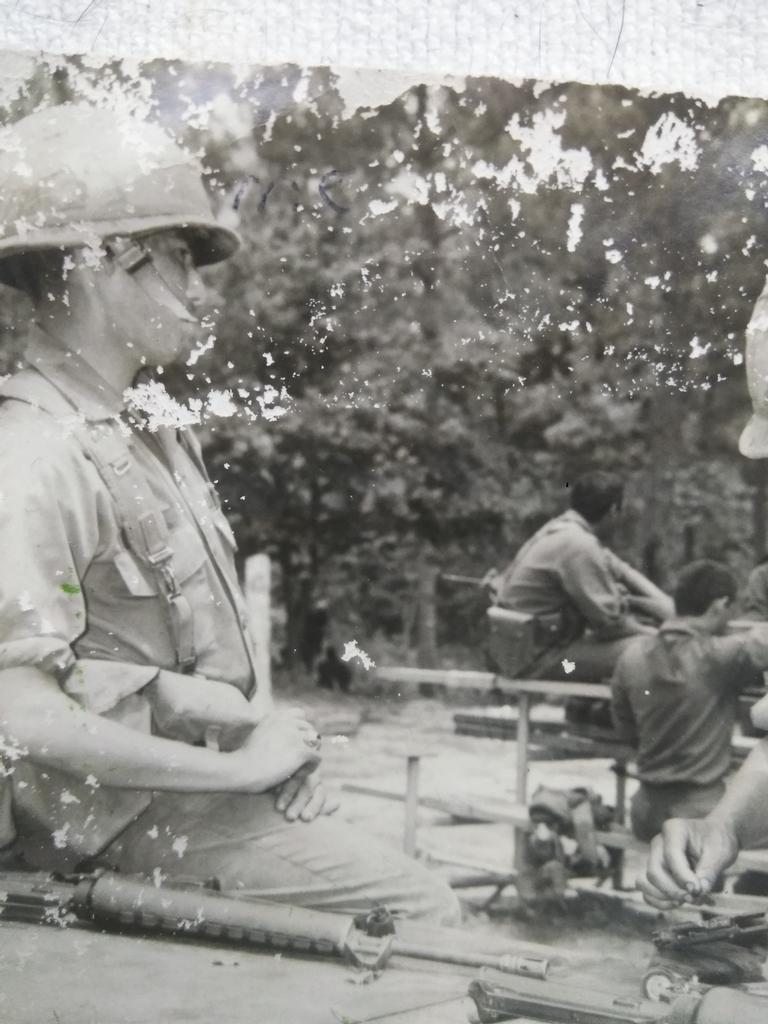
U.S. Army

U.S. Army