
Opening branch overview
Building the branch home surface
Loading branch highlights, featured unit context, and gallery moments.
Overview
Members
Units
Building the branch home surface
Loading branch highlights, featured unit context, and gallery moments.
Building the branch units surface
Loading unit filters, rankings, and the branch unit grid.

310 members•1 unit
Relive and share the memories of your service-time with your brothers and sisters in arms today. VetFriends.com can help you reconnect.
Did you proudly serve in the 2:6 Camp Lejeune N.C.?
Are you looking for someone who is or was in the 2:6 Camp Lejeune N.C.?
Do you have 2:6 Camp Lejeune N.C. photos you'd like to share?
Then join a community with your brothers and sisters of the 2:6 Camp Lejeune N.C..
Branch
U.S. Army
Members
310
2/6 Camp Lejeune N.C. refers to the 2nd Battalion, 6th Marines, a military unit stationed at Camp Lejeune in North Carolina. This battalion is part of the United States Marine Corps and is known for its role in various military operations and missions. The 2/6 Camp Lejeune N.C. is trained in infantry tactics, amphibious assaults, and other combat skills to fulfill its mission of defending the country and upholding national security. The Marines of 2/6 Camp Lejeune N.C. are highly skilled and dedicated warriors who are ready to deploy at a moment's notice to protect and serve their country.
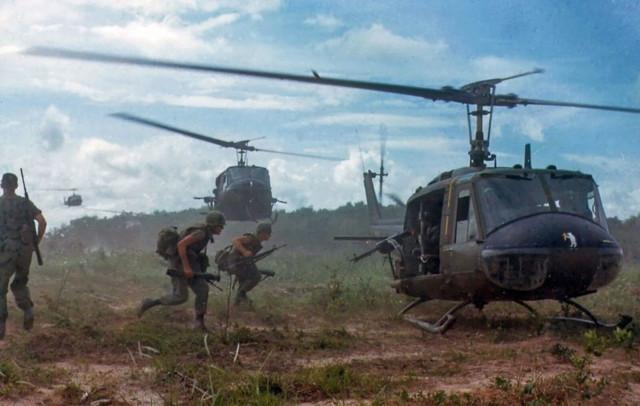
U.S. Marine Corps
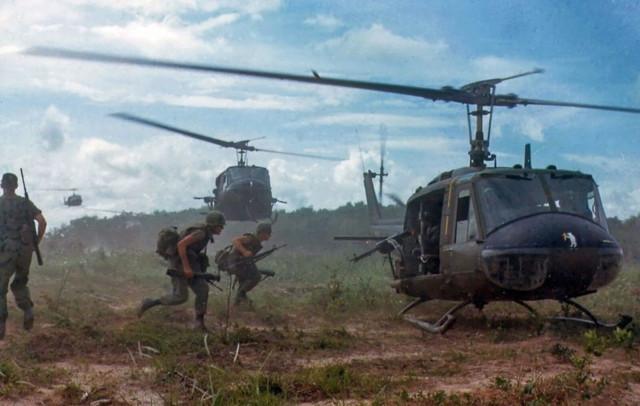
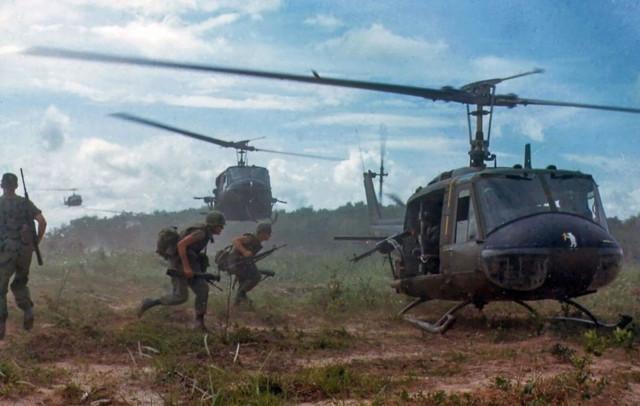
U.S. Marine Corps
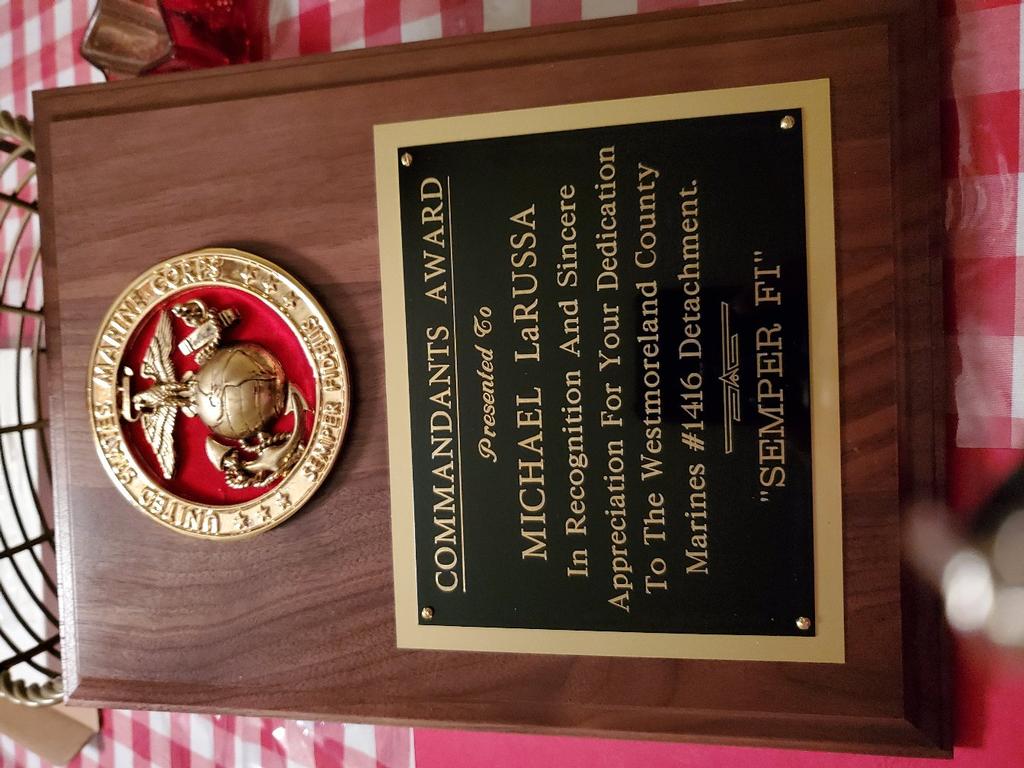
U.S. Marine Corps