
Opening branch overview
Building the branch home surface
Loading branch highlights, featured unit context, and gallery moments.
Overview
Members
Units
Building the branch home surface
Loading branch highlights, featured unit context, and gallery moments.
Building the branch units surface
Loading unit filters, rankings, and the branch unit grid.

37 members•1 unit
Relive and share the memories of your service-time with your brothers and sisters in arms today. VetFriends.com can help you reconnect.
Did you proudly serve in the 1ST BN 81 FIELD ARTILLERY PERSHING MISSILE?
Are you looking for someone who is or was in the 1ST BN 81 FIELD ARTILLERY PERSHING MISSILE?
Do you have 1ST BN 81 FIELD ARTILLERY PERSHING MISSILE photos you'd like to share?
Then join a community with your brothers and sisters of the 1ST BN 81 FIELD ARTILLERY PERSHING MISSILE.
Branch
U.S. Army
Members
37
The 1st Battalion, 81st Field Artillery (1-81 FA) was a key U.S. Army Pershing missile unit during the Cold War. Activated in Germany, the battalion was equipped with the Pershing nuclear-capable ballistic missile, serving as part of NATO's forward-deployed deterrent against the Soviet threat. Throughout its service, the 1-81 FA played a pivotal role in maintaining strategic readiness and participating in numerous field exercises to demonstrate missile launch capabilities. The battalion was ultimately inactivated in the late 1980s following the signing of the Intermediate-Range Nuclear Forces (INF) Treaty and the elimination of Pershing missiles from Europe.
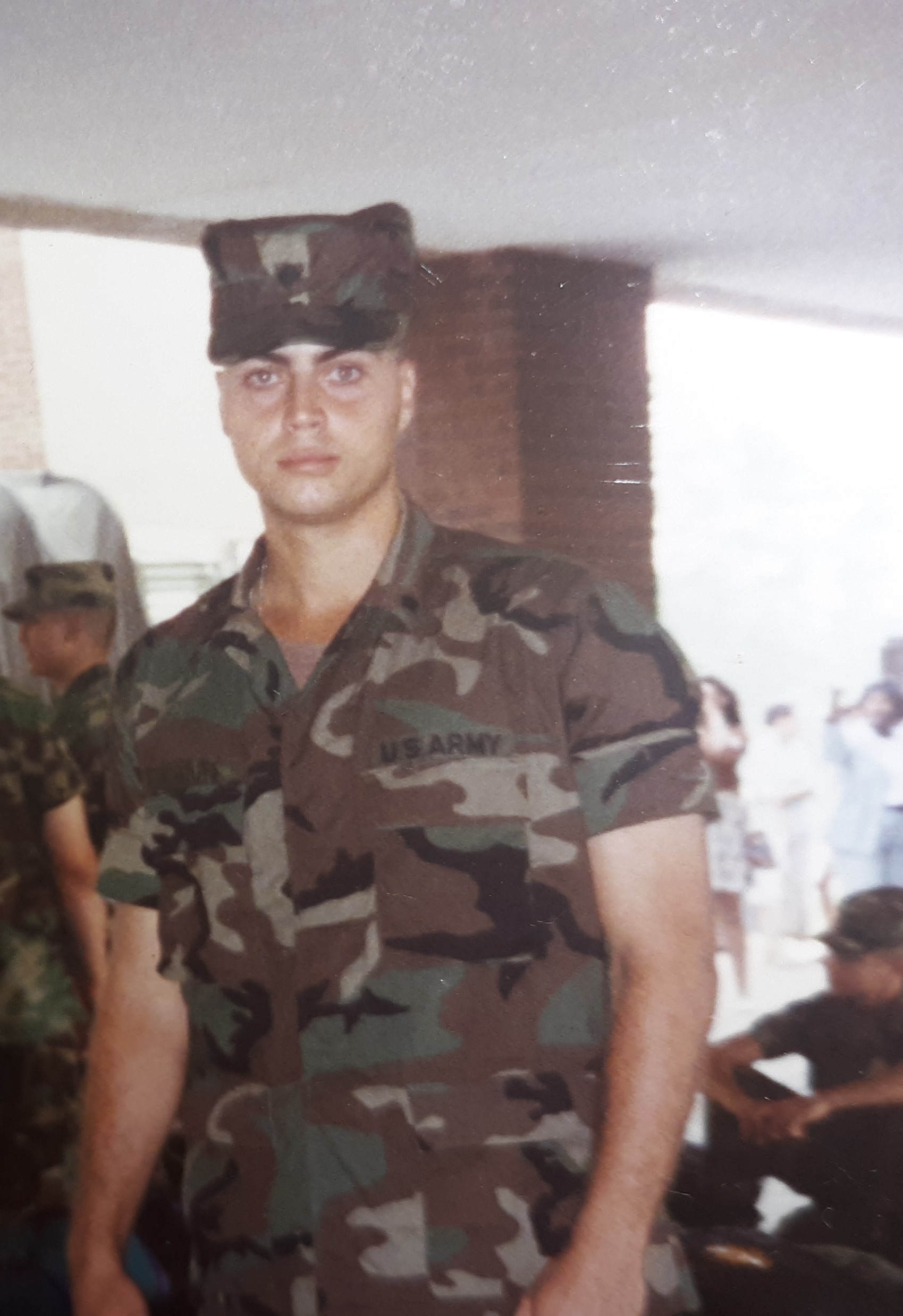
1st Infantry Division • U.S. Army • 1994

U.S. Army

C1 1 3rd Platoon Tank Hill • U.S. Army
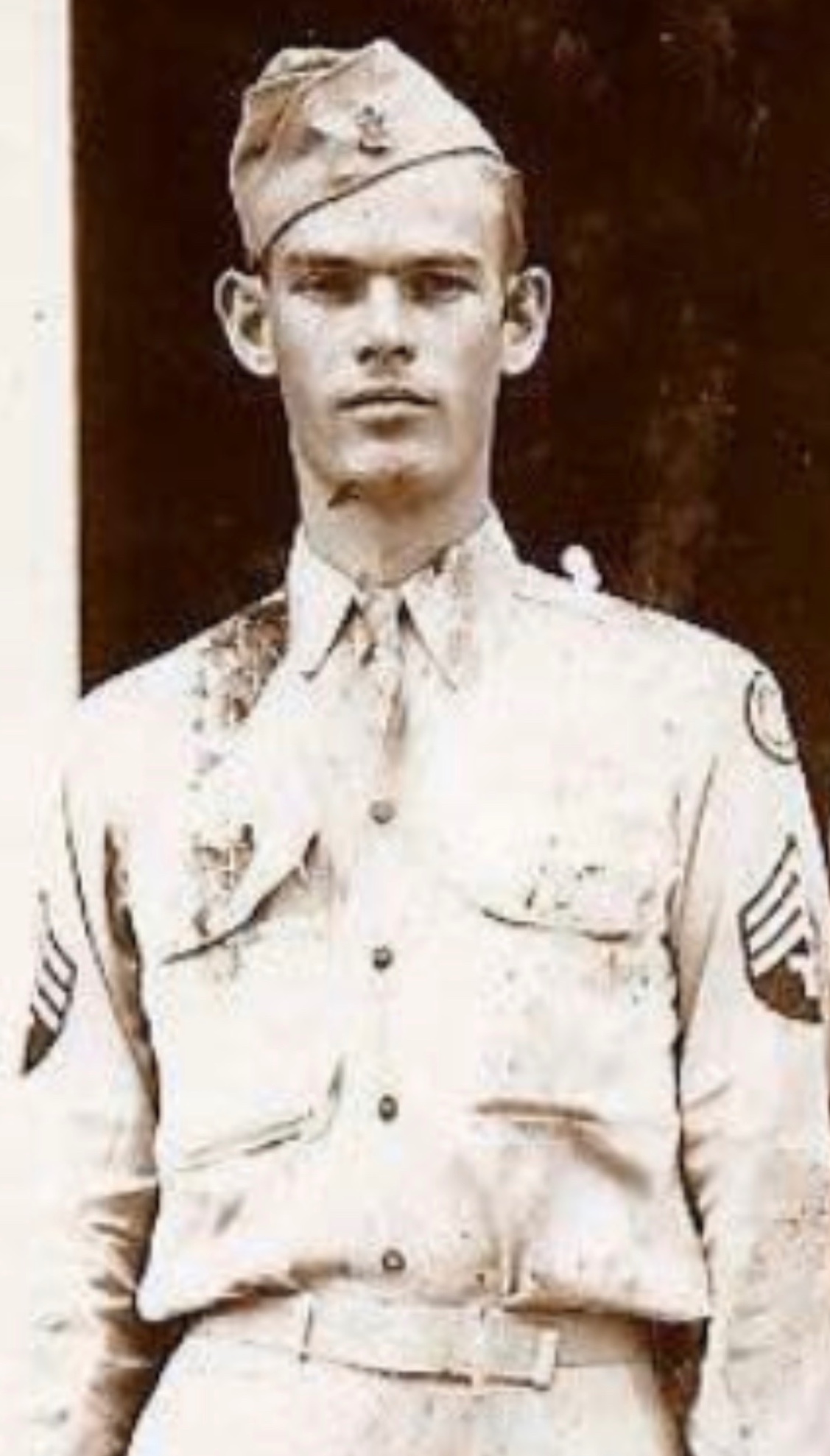
60 Infantry, 9th Division • U.S. Army