
Opening branch overview
Building the branch home surface
Loading branch highlights, featured unit context, and gallery moments.
Overview
Members
Units
Building the branch home surface
Loading branch highlights, featured unit context, and gallery moments.
Building the branch units surface
Loading unit filters, rankings, and the branch unit grid.

U.S. Army•4 members
Relive and share the memories of your service-time with your brothers and sisters in arms today. VetFriends.com can help you reconnect.
Did you proudly serve in the 1st Battalion, 79th Field Artillery Regiment?
Are you looking for someone who is or was in the 1st Battalion, 79th Field Artillery Regiment?
Do you have 1st Battalion, 79th Field Artillery Regiment photos you'd like to share?
Then join a community with your brothers and sisters of the 1st Battalion, 79th Field Artillery Regiment.
The 1st Battalion, 79th Field Artillery Regiment traces its origins to its constitution in 1916 as part of the U.S. Army. The unit has served with distinction in multiple conflicts, including World War II, where it provided crucial fire support in the European Theater. Over the decades, the battalion has undergone several activations and inactivations, adapting to the evolving needs of the Army. In recent years, the 1-79th Field Artillery has been primarily assigned as a training battalion at Fort Sill, Oklahoma, responsible for preparing new generations of artillery Soldiers.
U.S. Army
U.S. Army
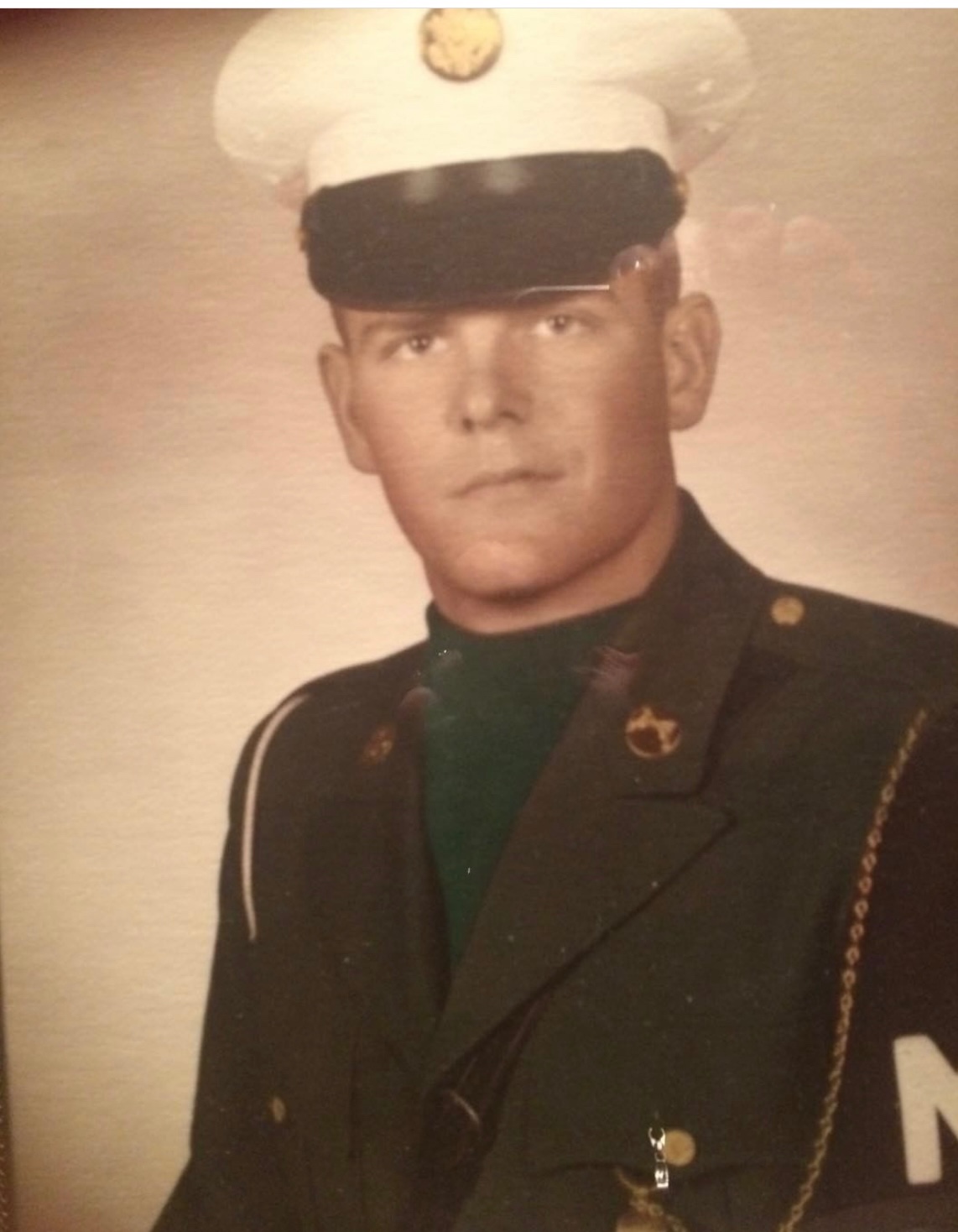
572nd MP Company • U.S. Army • 1966
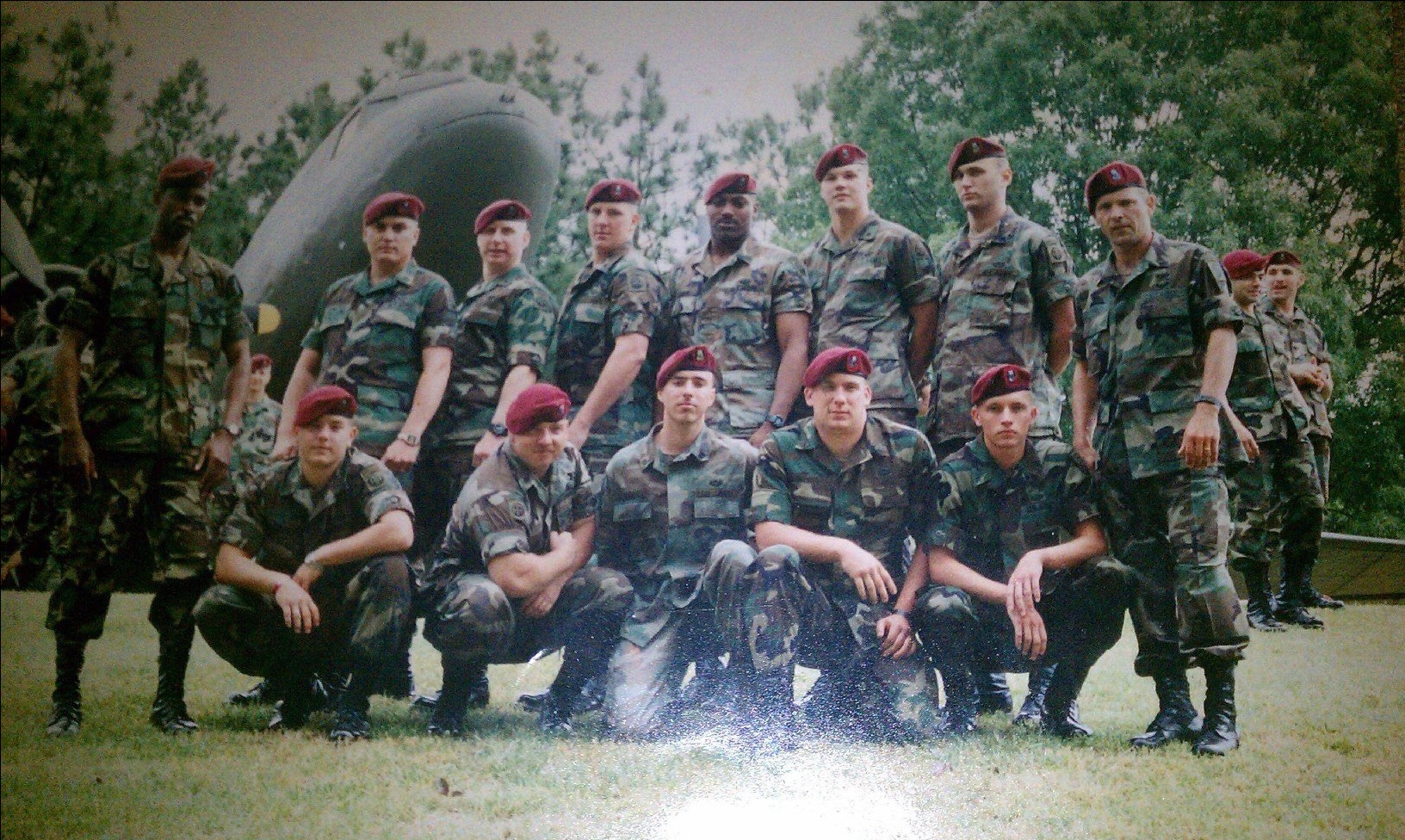
U.S. Army