
Opening branch overview
Building the branch home surface
Loading branch highlights, featured unit context, and gallery moments.
Overview
Members
Units
Building the branch home surface
Loading branch highlights, featured unit context, and gallery moments.
Building the branch units surface
Loading unit filters, rankings, and the branch unit grid.

89 members•1 unit
Relive and share the memories of your service-time with your brothers and sisters in arms today. VetFriends.com can help you reconnect.
Did you proudly serve in the 1st AAA-Aw Battalion?
Are you looking for someone who is or was in the 1st AAA-Aw Battalion?
Do you have 1st AAA-Aw Battalion photos you'd like to share?
Then join a community with your brothers and sisters of the 1st AAA-Aw Battalion.
Branch
U.S. Army
Members
89
The **1st AAA-Aw Battalion** (1st Anti-Aircraft Artillery-Automatic Weapons Battalion) was established during World War II to provide mobile air defense for U.S. Army ground forces. Equipped primarily with self-propelled 40mm Bofors and multiple .50 caliber machine guns, the battalion protected advancing troops and supply columns from enemy aircraft attacks in the European and Pacific Theaters. The 1st AAA-Aw Battalion participated in several major campaigns, including the Normandy landings and the push across France, where its accurate and flexible firepower proved vital. After the war, the battalion was reorganized as air threats changed, contributing to the development of modern air defense tactics within the U.S. Army.
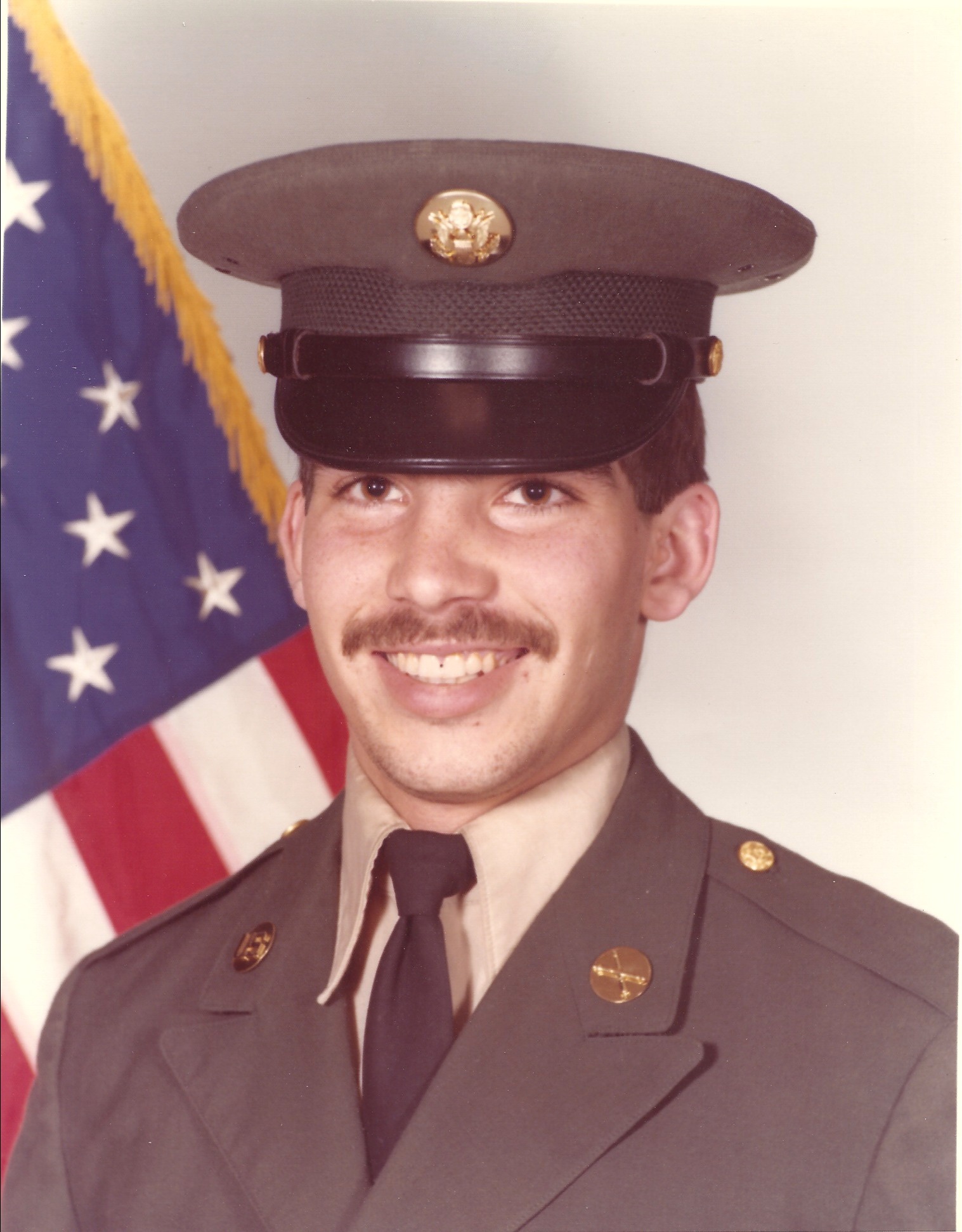
ARTILLERY • U.S. Army
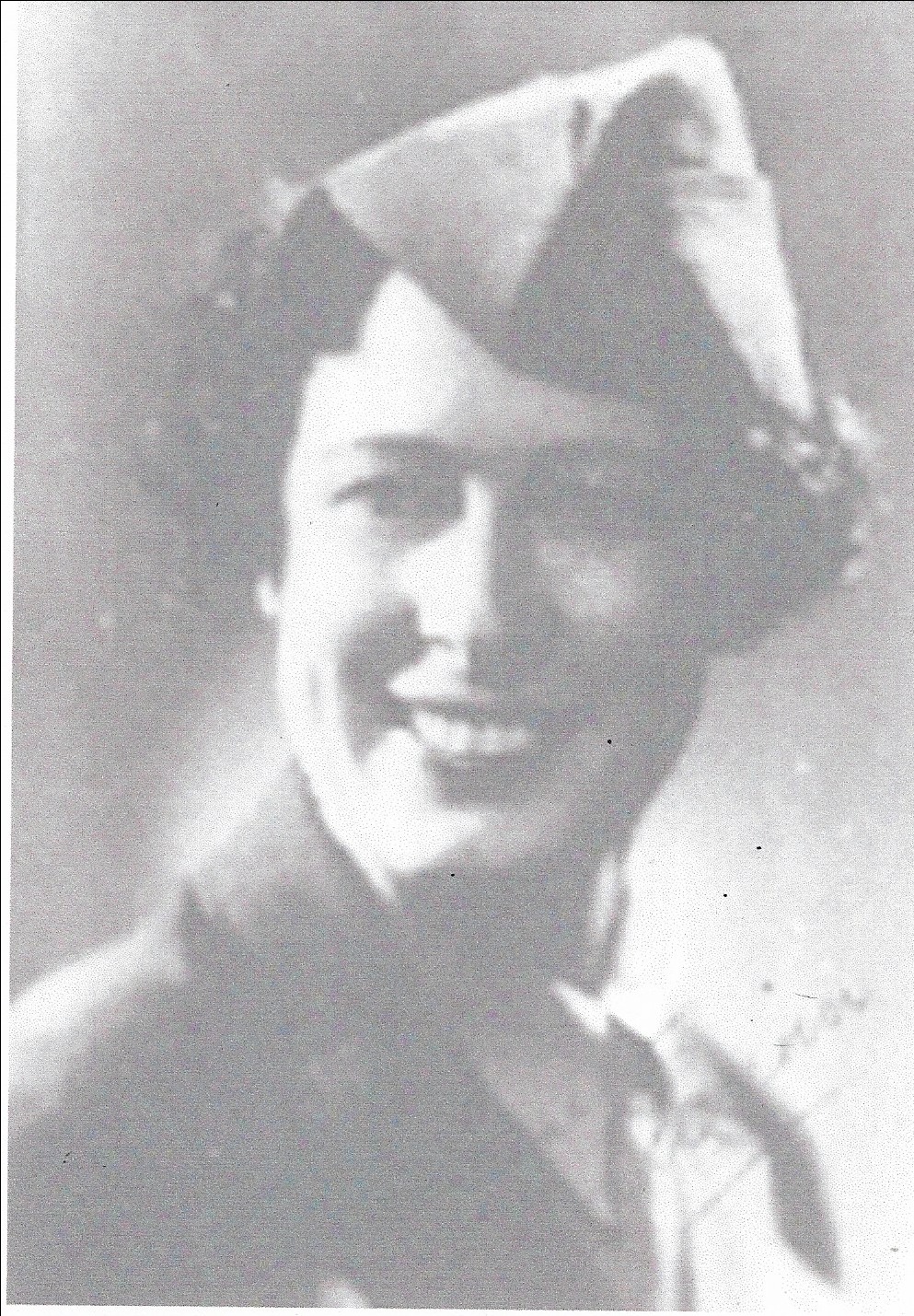
U.S. Army
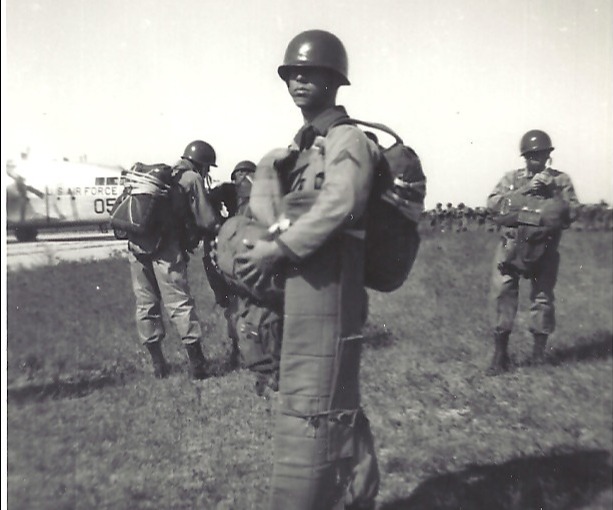
82nd Airborne • U.S. Army • 1954
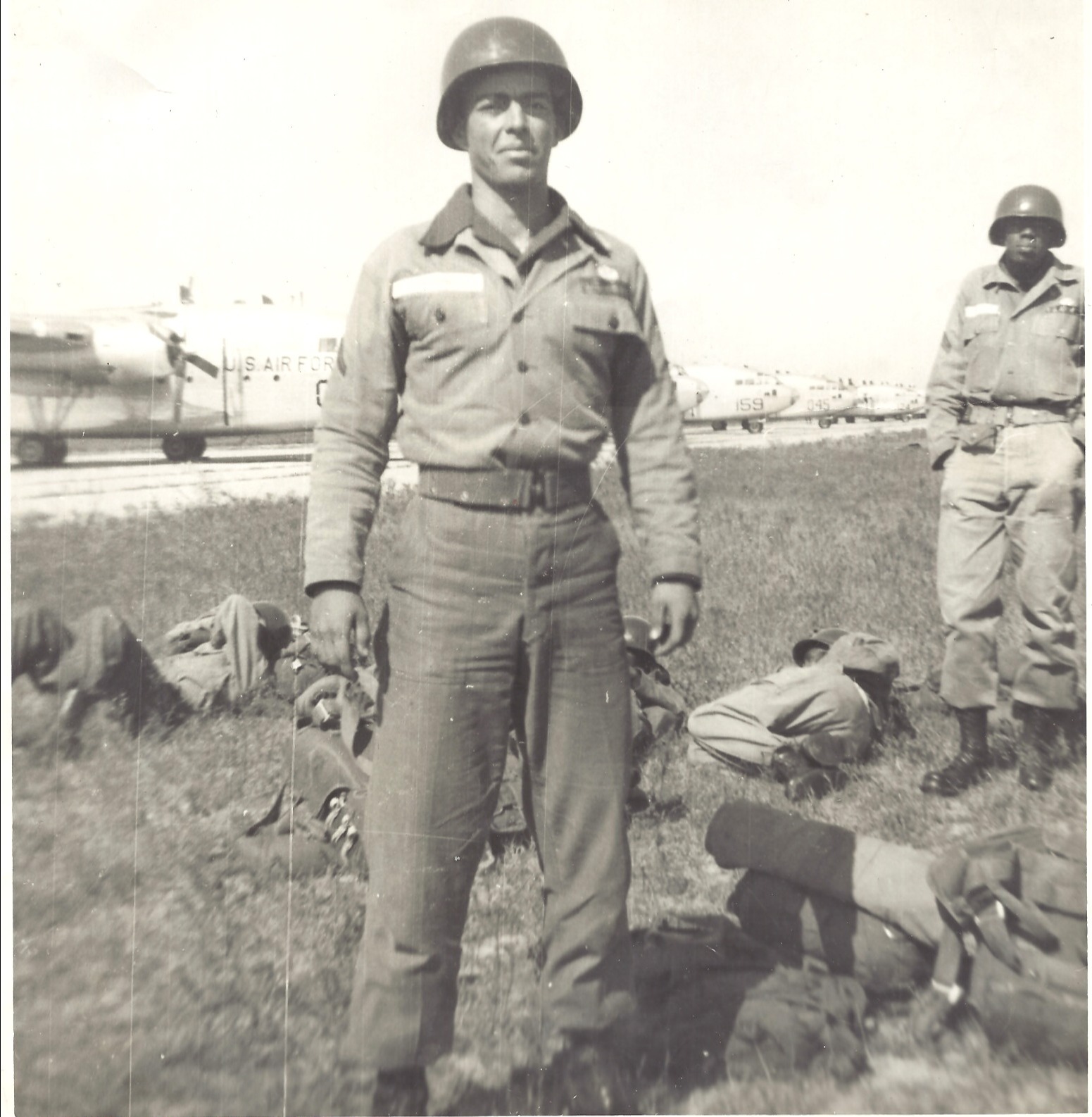
82nd Airborne • U.S. Army • 1954