
Opening branch overview
Building the branch home surface
Loading branch highlights, featured unit context, and gallery moments.
Overview
Members
Units
Building the branch home surface
Loading branch highlights, featured unit context, and gallery moments.
Building the branch units surface
Loading unit filters, rankings, and the branch unit grid.

37 members•1 unit
Relive and share the memories of your service-time with your brothers and sisters in arms today. VetFriends.com can help you reconnect.
Did you proudly serve in the 19th aviation co. Korea?
Are you looking for someone who is or was in the 19th aviation co. Korea?
Do you have 19th aviation co. Korea photos you'd like to share?
Then join a community with your brothers and sisters of the 19th aviation co. Korea.
Branch
U.S. Army
Members
37
The 19th Aviation Company was a United States Army aviation unit that served in Korea during the Cold War era. Activated in the 1950s, the unit played a crucial role in aerial reconnaissance, transport, and support missions along the tense Demilitarized Zone (DMZ). The 19th Aviation Company operated various fixed-wing and rotary aircraft, enhancing the U.S. Army's surveillance and rapid response capabilities on the peninsula. Its presence contributed significantly to maintaining stability and readiness during periods of heightened tension between North and South Korea.

U.S. Army
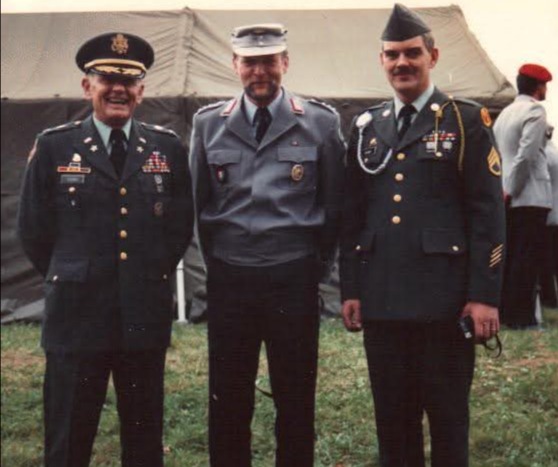
3/37th FA • U.S. Army
103rd MI Bn 3rd Infantry Division • U.S. Army • 1986
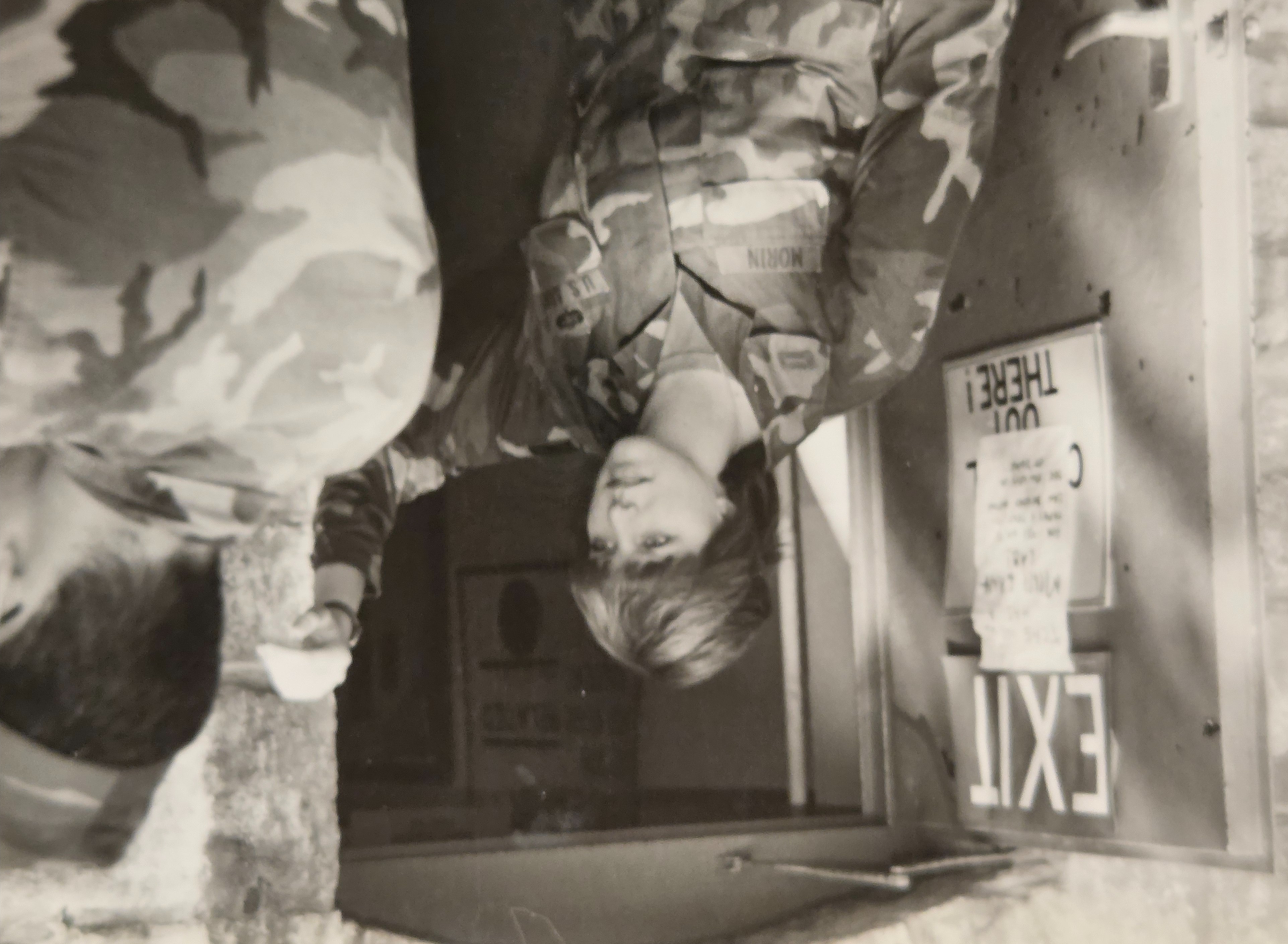
103rd MI Bn 3rd Infantry Division • U.S. Army • 1987