
Opening branch overview
Building the branch home surface
Loading branch highlights, featured unit context, and gallery moments.
Overview
Members
Units
Building the branch home surface
Loading branch highlights, featured unit context, and gallery moments.
Building the branch units surface
Loading unit filters, rankings, and the branch unit grid.

37 members•1 unit
Relive and share the memories of your service-time with your brothers and sisters in arms today. VetFriends.com can help you reconnect.
Did you proudly serve in the 1905th EAB?
Are you looking for someone who is or was in the 1905th EAB?
Do you have 1905th EAB photos you'd like to share?
Then join a community with your brothers and sisters of the 1905th EAB.
Branch
U.S. Army
Members
37
The 1905th Engineer Aviation Battalion (EAB) was a United States Army Air Forces unit activated during World War II. Formed in 1943, the battalion specialized in the rapid construction, repair, and maintenance of airfields in the Pacific Theater, playing a critical role in supporting air operations during island-hopping campaigns. The unit participated in several key operations, including the construction of vital runways and support facilities under challenging combat and environmental conditions. Following the end of hostilities, the 1905th EAB was inactivated as part of the broader post-war drawdown of military forces.
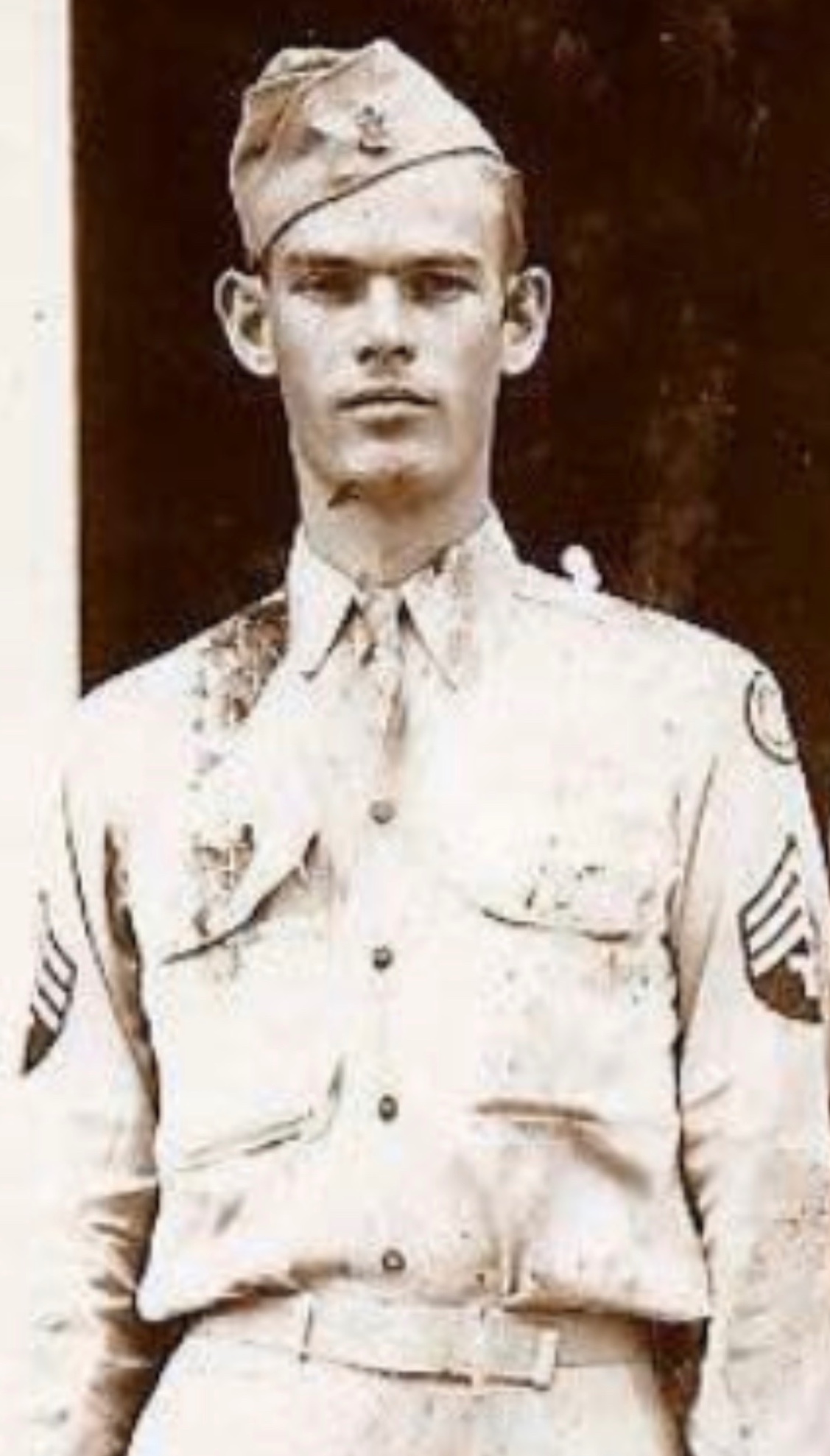
60 Infantry, 9th Division • U.S. Army

1st BN /65th ADA Co. • U.S. Army • 1980
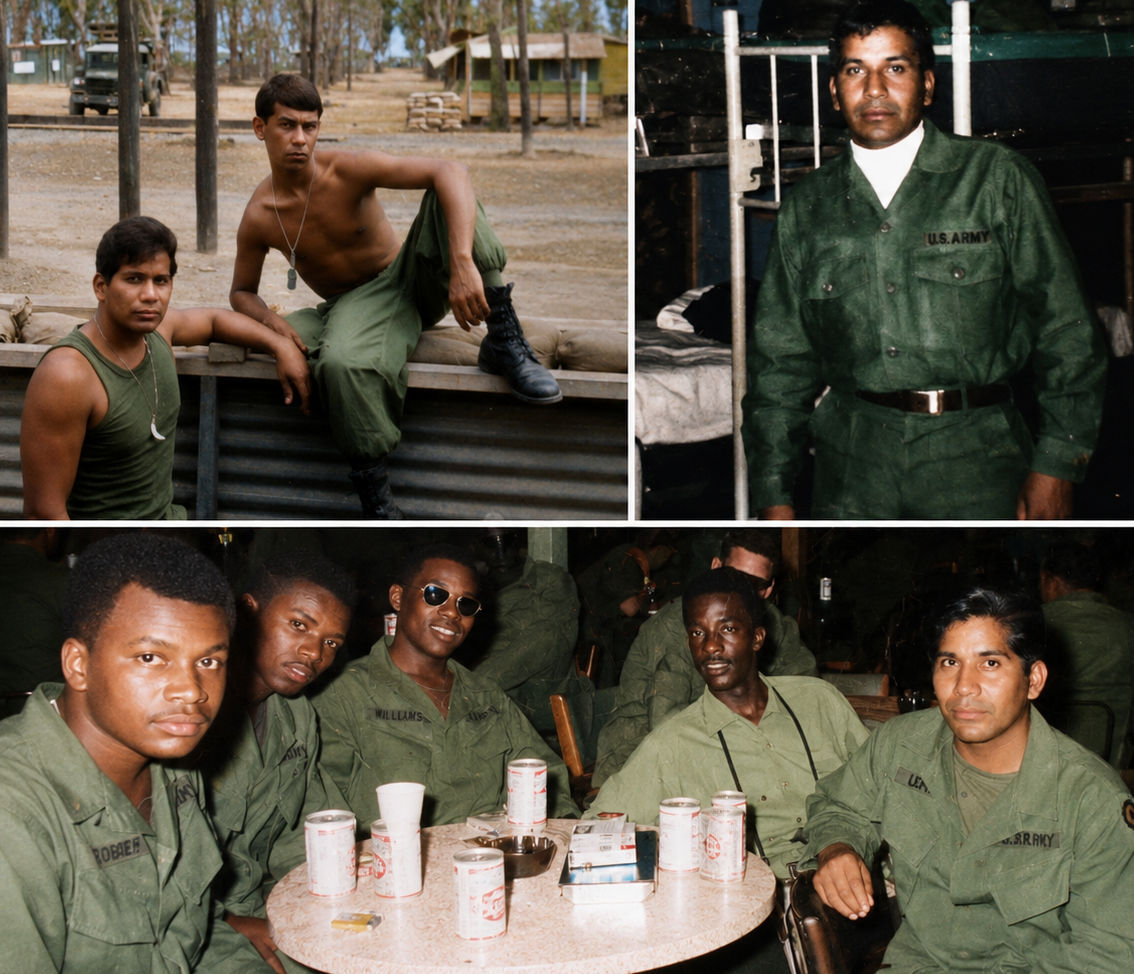
U.S. Army
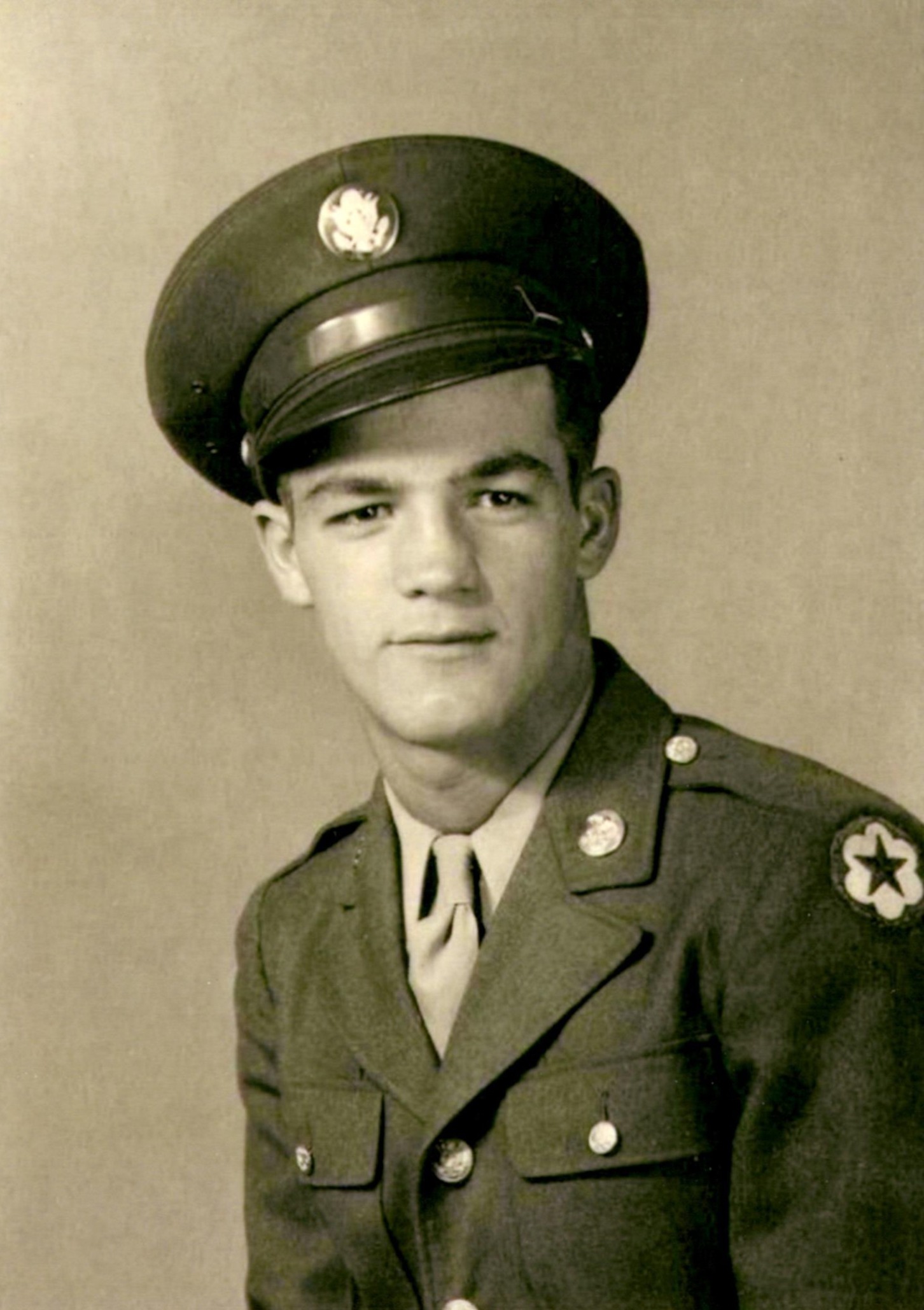
CBI • U.S. Army