
Opening branch overview
Building the branch home surface
Loading branch highlights, featured unit context, and gallery moments.
Overview
Members
Units
Building the branch home surface
Loading branch highlights, featured unit context, and gallery moments.
Building the branch units surface
Loading unit filters, rankings, and the branch unit grid.

U.S. Army•4 members
Relive and share the memories of your service-time with your brothers and sisters in arms today. VetFriends.com can help you reconnect.
Did you proudly serve in the 18th MASH Pleiku?
Are you looking for someone who is or was in the 18th MASH Pleiku?
Do you have 18th MASH Pleiku photos you'd like to share?
Then join a community with your brothers and sisters of the 18th MASH Pleiku.
The 18th Mobile Army Surgical Hospital (MASH) was a U.S. Army medical unit deployed during the Vietnam War, primarily stationed at Pleiku in the Central Highlands of South Vietnam. Activated in the early 1960s, the 18th MASH provided critical frontline surgical and medical support to American and allied forces engaged in intense combat operations. The unit was renowned for its rapid response and ability to save countless lives through its advanced medical care under challenging conditions. The 18th MASH remained operational in Pleiku until its deactivation in the early 1970s, following the drawdown of U.S. involvement in Vietnam.
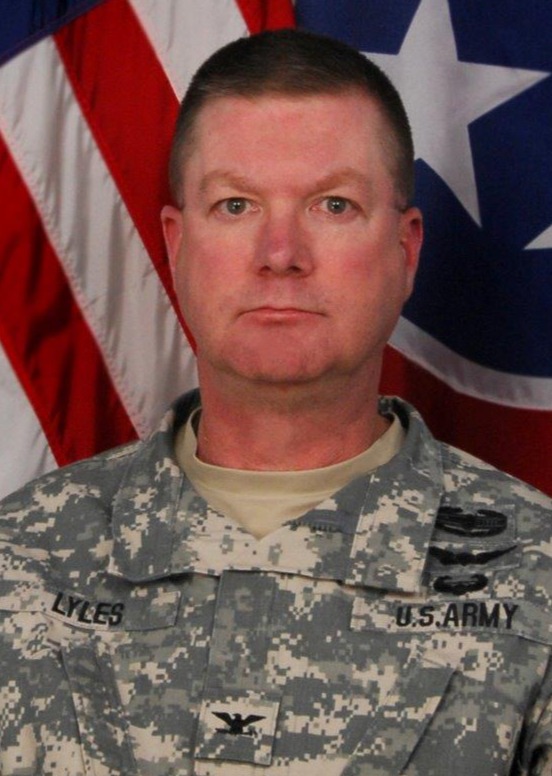
JFHQ • U.S. Army • 2015
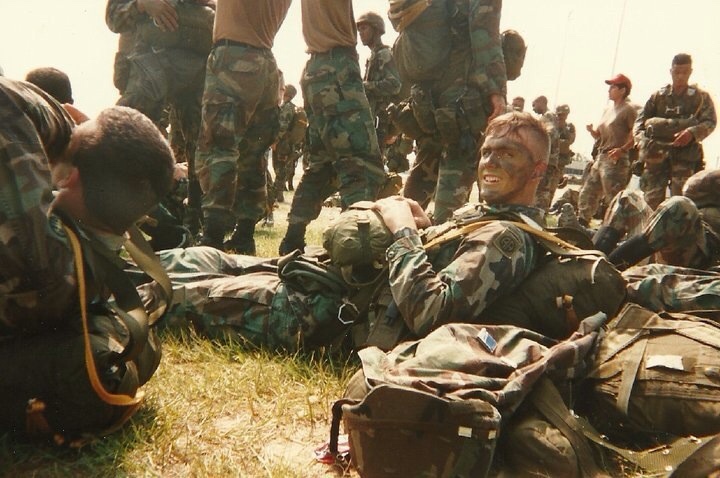
U.S. Army
U.S. Army
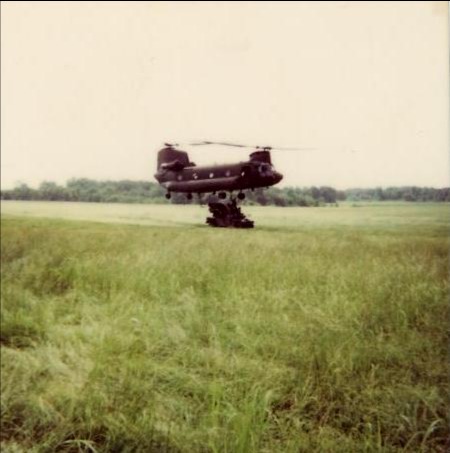
2-44 ADA FT CAMPBELL KY • U.S. Army • 1999