
Opening branch overview
Building the branch home surface
Loading branch highlights, featured unit context, and gallery moments.
Overview
Members
Units
Building the branch home surface
Loading branch highlights, featured unit context, and gallery moments.
Building the branch units surface
Loading unit filters, rankings, and the branch unit grid.

3 members•1 unit
Relive and share the memories of your service-time with your brothers and sisters in arms today. VetFriends.com can help you reconnect.
Did you proudly serve in the 17th signal platoon?
Are you looking for someone who is or was in the 17th signal platoon?
Do you have 17th signal platoon photos you'd like to share?
Then join a community with your brothers and sisters of the 17th signal platoon.
Branch
U.S. Army
Members
3
The 17th Signal Platoon was established during World War II to provide essential communications support to combat units on the front lines. Initially assigned to the European Theater, the platoon was instrumental in maintaining radio and wire communications during key operations, including the Normandy Campaign. After the war, the 17th Signal Platoon continued to serve in various capacities, adapting to new technologies and participating in training exercises to ensure operational readiness. Today, the platoon upholds its legacy by supporting modern military operations with advanced communication systems, ensuring seamless connectivity for mission success.
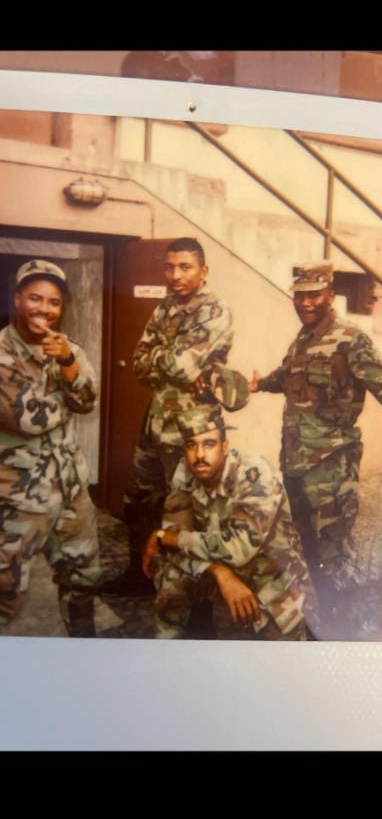
9th Engineer Batallion • U.S. Army
U.S. Army
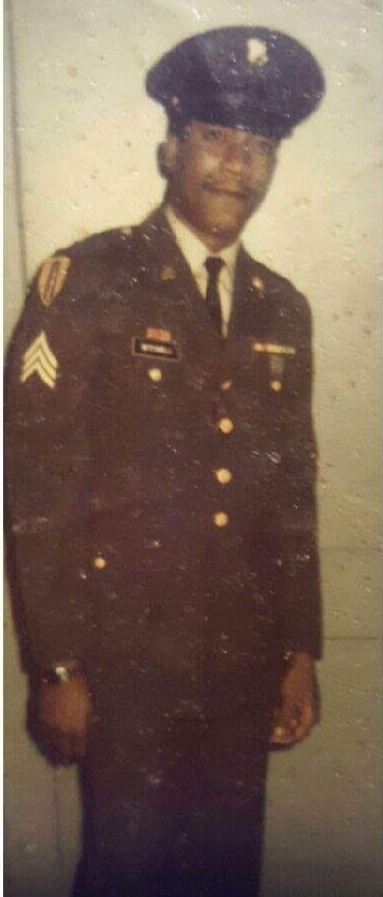
278 Signal Corp • U.S. Army
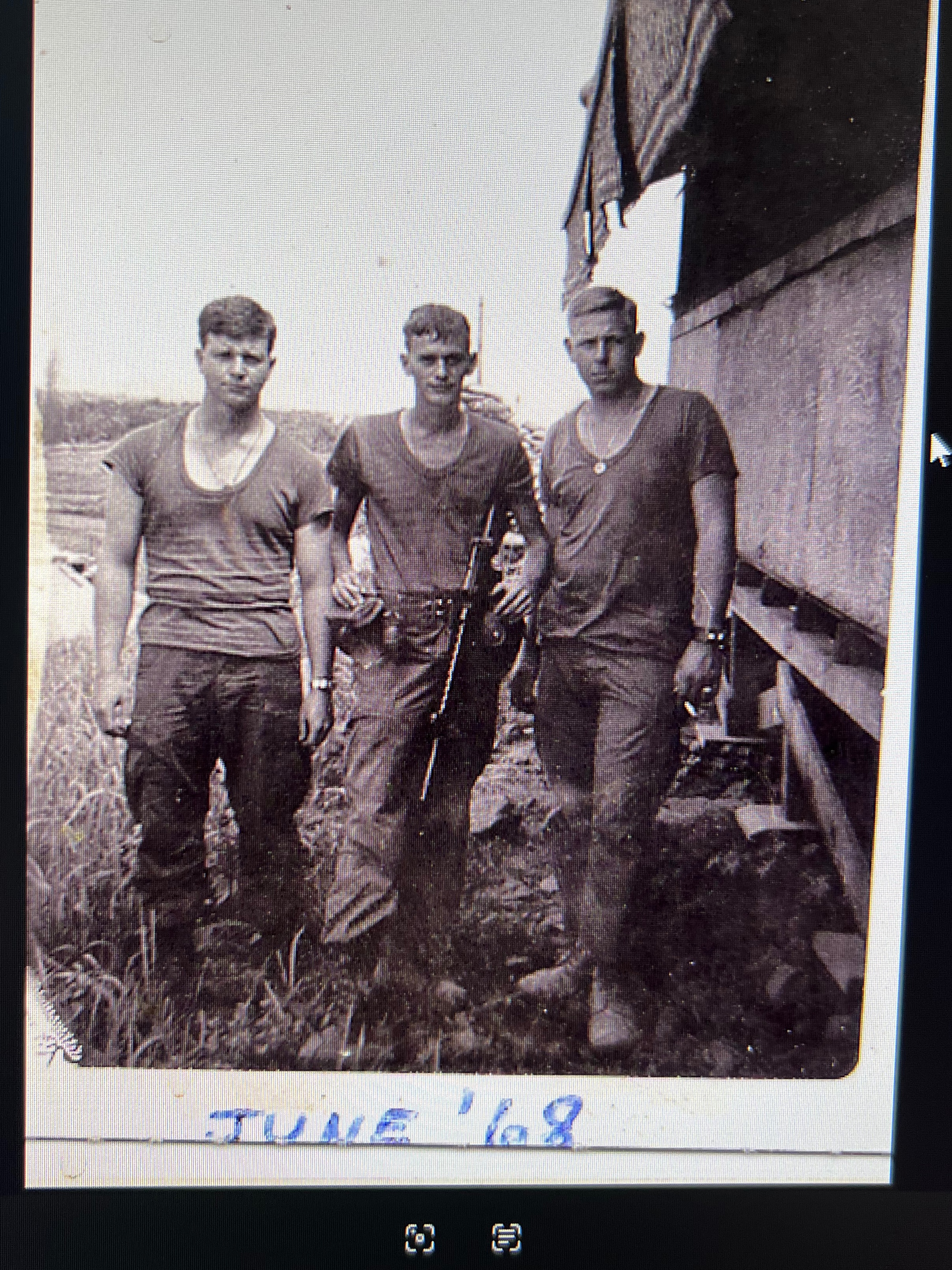
11th light infantry • U.S. Army • 1968