
Opening branch overview
Building the branch home surface
Loading branch highlights, featured unit context, and gallery moments.
Overview
Members
Units
Building the branch home surface
Loading branch highlights, featured unit context, and gallery moments.
Building the branch units surface
Loading unit filters, rankings, and the branch unit grid.

13 members•1 unit
Relive and share the memories of your service-time with your brothers and sisters in arms today. VetFriends.com can help you reconnect.
Did you proudly serve in the 17th Aviation (Korea)?
Are you looking for someone who is or was in the 17th Aviation (Korea)?
Do you have 17th Aviation (Korea) photos you'd like to share?
Then join a community with your brothers and sisters of the 17th Aviation (Korea).
Branch
U.S. Army
Members
13
The 17th Aviation Company was activated in Korea in 1951 during the Korean War to provide aerial reconnaissance, observation, and transport support to U.S. and United Nations forces. Equipped primarily with light aircraft such as the L-19 Bird Dog and later helicopters, the unit played a key role in artillery spotting, medical evacuation, and battlefield communications. Throughout the conflict, the 17th Aviation demonstrated adaptability and courage, often operating under hostile fire and challenging weather conditions. After the Korean War, the unit continued to serve in various capacities, contributing to the evolution of Army aviation tactics and doctrine.
U.S. Army

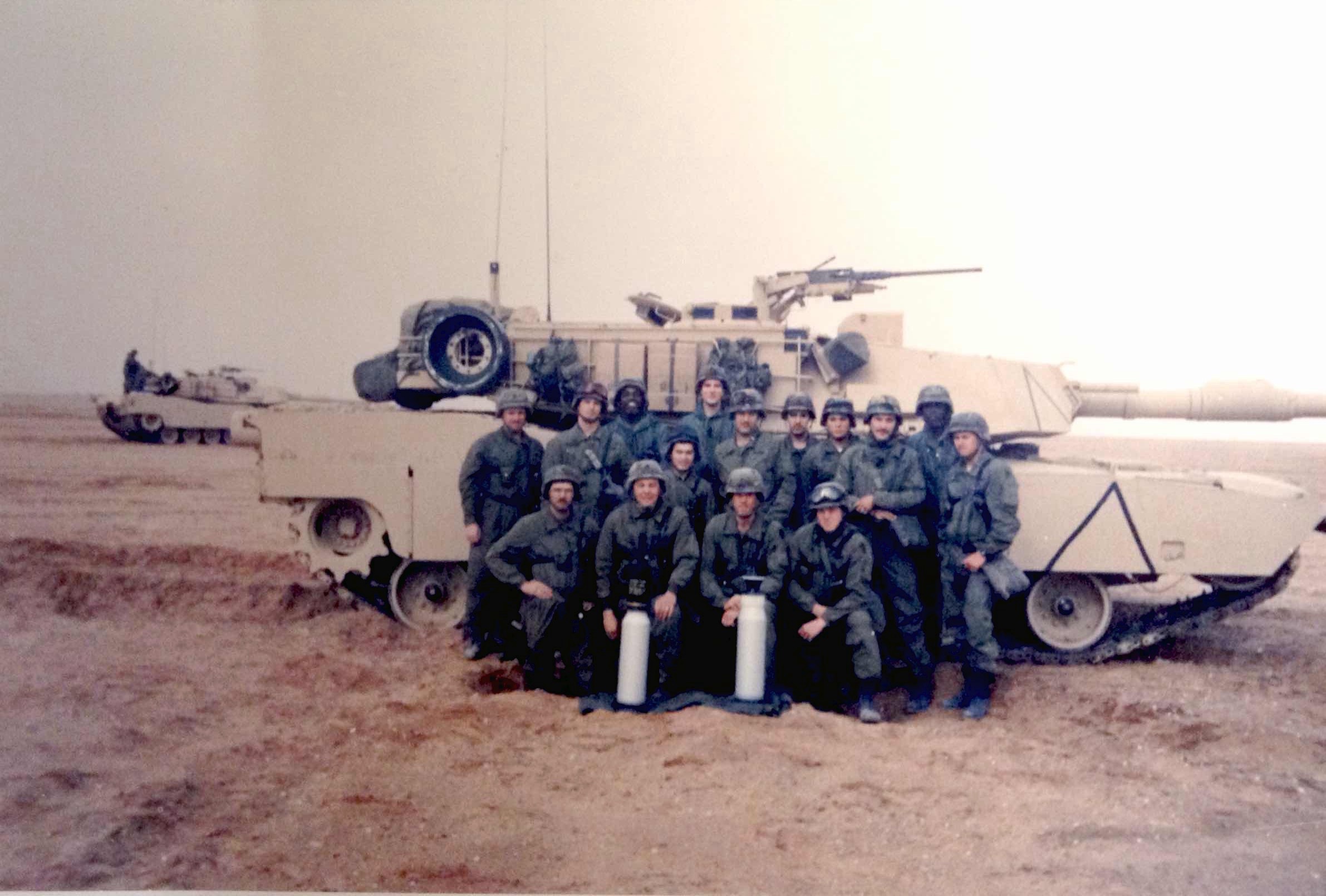
MEDICAL • U.S. Army • 1991
U.S. Army
U.S. Army