
Opening branch overview
Building the branch home surface
Loading branch highlights, featured unit context, and gallery moments.
Overview
Members
Units
Building the branch home surface
Loading branch highlights, featured unit context, and gallery moments.
Building the branch units surface
Loading unit filters, rankings, and the branch unit grid.

3 members•1 unit
Relive and share the memories of your service-time with your brothers and sisters in arms today. VetFriends.com can help you reconnect.
Did you proudly serve in the 16th DPU Nelligen, Germany?
Are you looking for someone who is or was in the 16th DPU Nelligen, Germany?
Do you have 16th DPU Nelligen, Germany photos you'd like to share?
Then join a community with your brothers and sisters of the 16th DPU Nelligen, Germany.
Branch
U.S. Army
Members
3
The **16th DPU** (Druckerei- und Publikationsunternehmen, or Printing and Publication Unit) was a specialized support unit of the United States Army stationed in **Nelligen, Germany**, during the Cold War era. Tasked with the production and distribution of classified and unclassified printed materials, the 16th DPU played a vital role in ensuring timely delivery of operational orders, training manuals, and intelligence updates to US and NATO forces throughout Europe. In addition to its printing mission, the unit was responsible for maintaining communications security and supporting psychological operations by producing leaflets and informational pamphlets. The 16th DPU remained active in Nelligen until the early 1990s, when post-Cold War force reductions led to its deactivation as part of the broader American military drawdown in Europe.
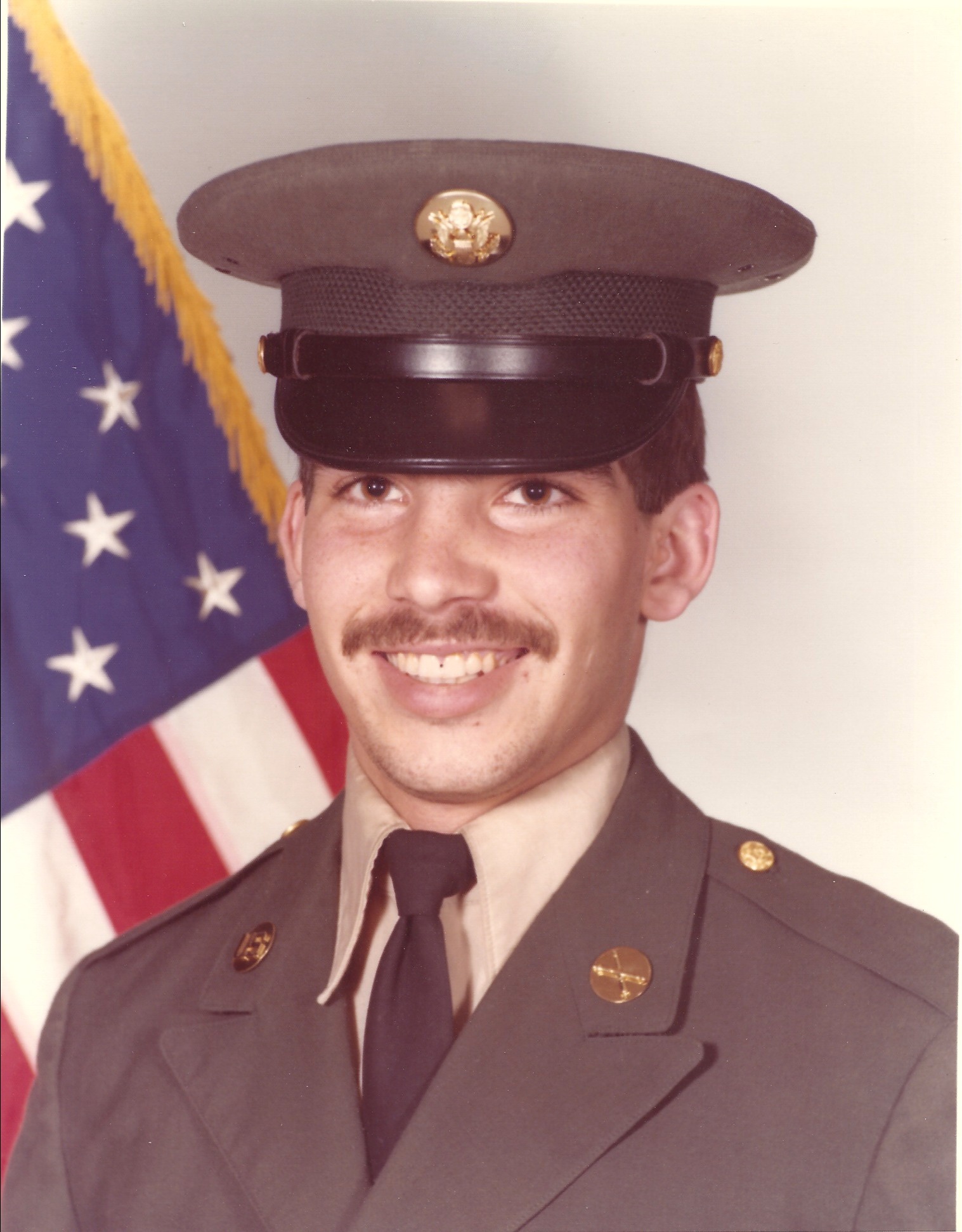
ARTILLERY • U.S. Army
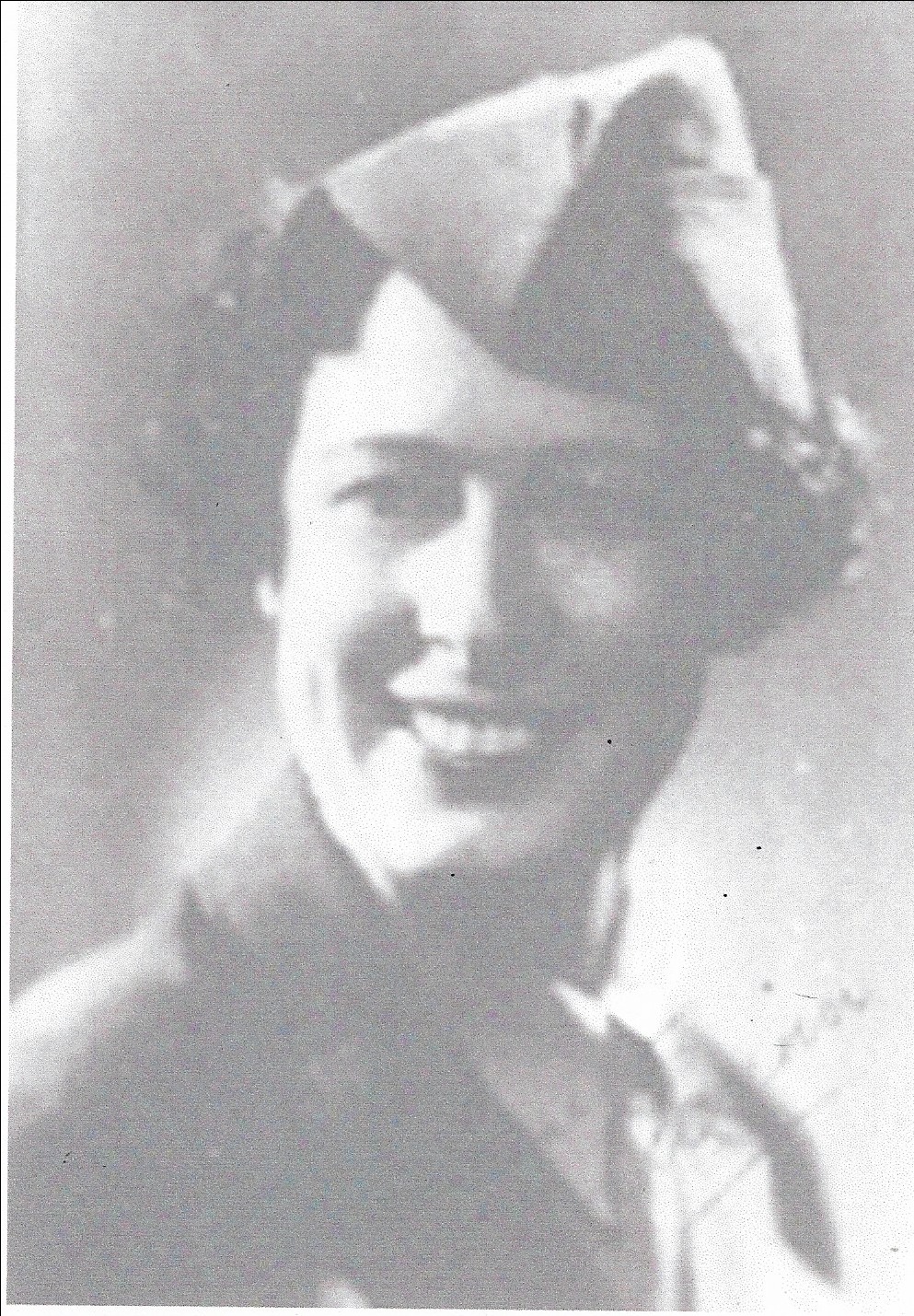
U.S. Army
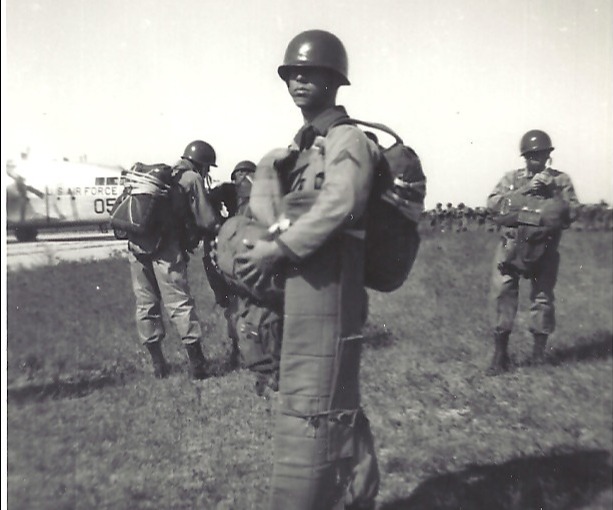
82nd Airborne • U.S. Army • 1954
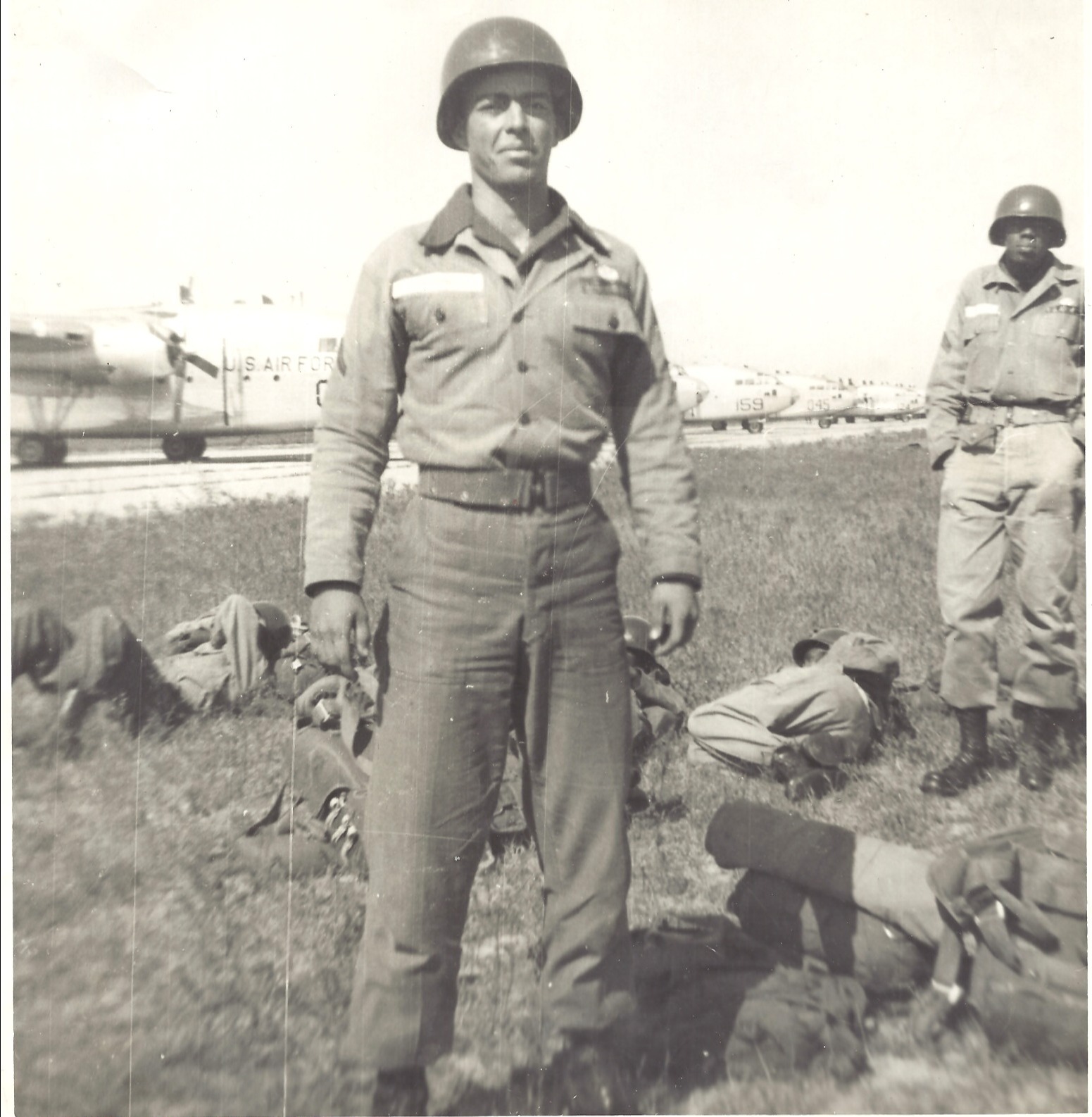
82nd Airborne • U.S. Army • 1954