
Opening branch overview
Building the branch home surface
Loading branch highlights, featured unit context, and gallery moments.
Overview
Members
Units
Building the branch home surface
Loading branch highlights, featured unit context, and gallery moments.
Building the branch units surface
Loading unit filters, rankings, and the branch unit grid.

31 members•1 unit
Relive and share the memories of your service-time with your brothers and sisters in arms today. VetFriends.com can help you reconnect.
Did you proudly serve in the 167th Signal (RRVHF)?
Are you looking for someone who is or was in the 167th Signal (RRVHF)?
Do you have 167th Signal (RRVHF) photos you'd like to share?
Then join a community with your brothers and sisters of the 167th Signal (RRVHF).
Branch
U.S. Army
Members
31
The 167th Signal (Radio Relay and Very High Frequency, RRVHF) was a specialized communications unit in the U.S. Army. Activated during the Vietnam War era, its primary mission was to establish and maintain long-range radio relay and VHF communication networks, ensuring secure and reliable command and control across dispersed operational areas. The unit played a crucial role in supporting both combat and logistical operations by linking headquarters with frontline units. Through its expertise in advanced communications technology, the 167th Signal (RRVHF) contributed significantly to the effectiveness and coordination of U.S. military efforts.
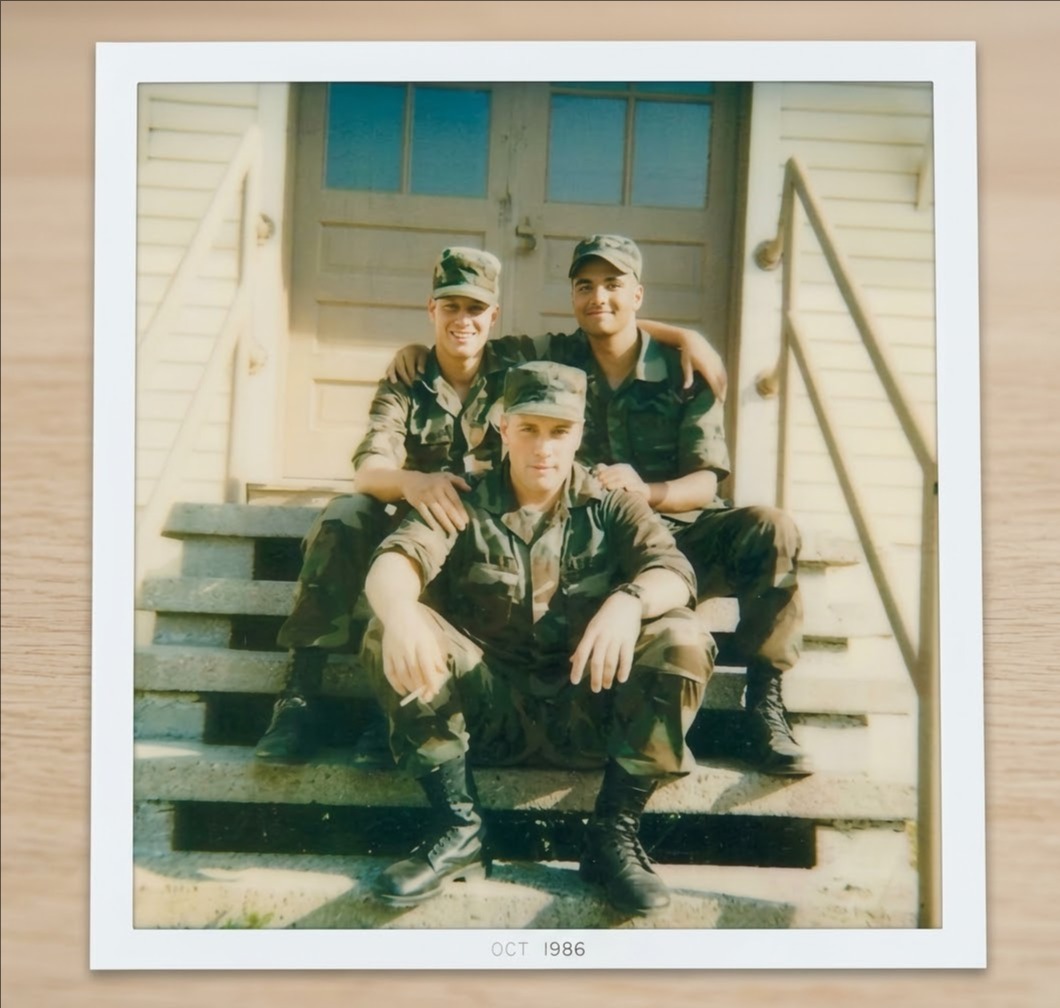
3rd Armored Division • U.S. Army • 1984
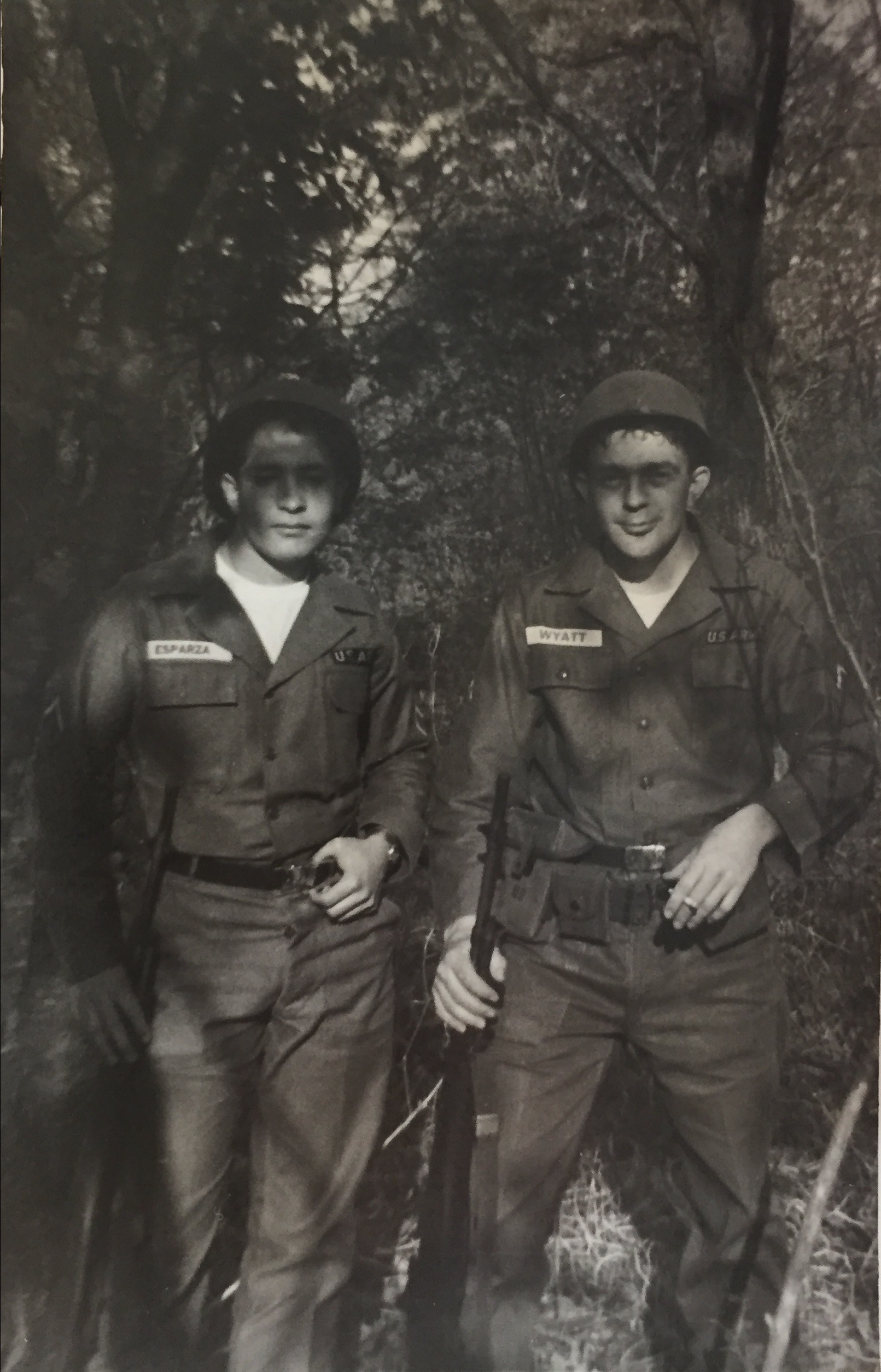
ARMY SECURITY AGENCY (ASA) • U.S. Army

U.S. Army

USAE AFCENT • U.S. Army • 1971