
Opening branch overview
Building the branch home surface
Loading branch highlights, featured unit context, and gallery moments.
Overview
Members
Units
Building the branch home surface
Loading branch highlights, featured unit context, and gallery moments.
Building the branch units surface
Loading unit filters, rankings, and the branch unit grid.

49 members•1 unit
Relive and share the memories of your service-time with your brothers and sisters in arms today. VetFriends.com can help you reconnect.
Did you proudly serve in the 1:59 ADA Wackernhiem West Germany?
Are you looking for someone who is or was in the 1:59 ADA Wackernhiem West Germany?
Do you have 1:59 ADA Wackernhiem West Germany photos you'd like to share?
Then join a community with your brothers and sisters of the 1:59 ADA Wackernhiem West Germany.
Branch
U.S. Army
Members
49
The 1st Battalion, 59th Air Defense Artillery (1/59 ADA) was a key U.S. Army air defense unit stationed in Wackernheim, West Germany, during the Cold War. Tasked with protecting critical assets and population centers from potential Soviet air attacks, the battalion operated a variety of missile systems, including the Nike Hercules and later the HAWK surface-to-air missiles. As part of the 32nd Army Air Defense Command (AADC), 1/59 ADA played a vital role in NATO's integrated air defense network throughout the 1970s and 1980s. The unit was deactivated following the end of the Cold War and the subsequent restructuring of U.S. forces in Europe.
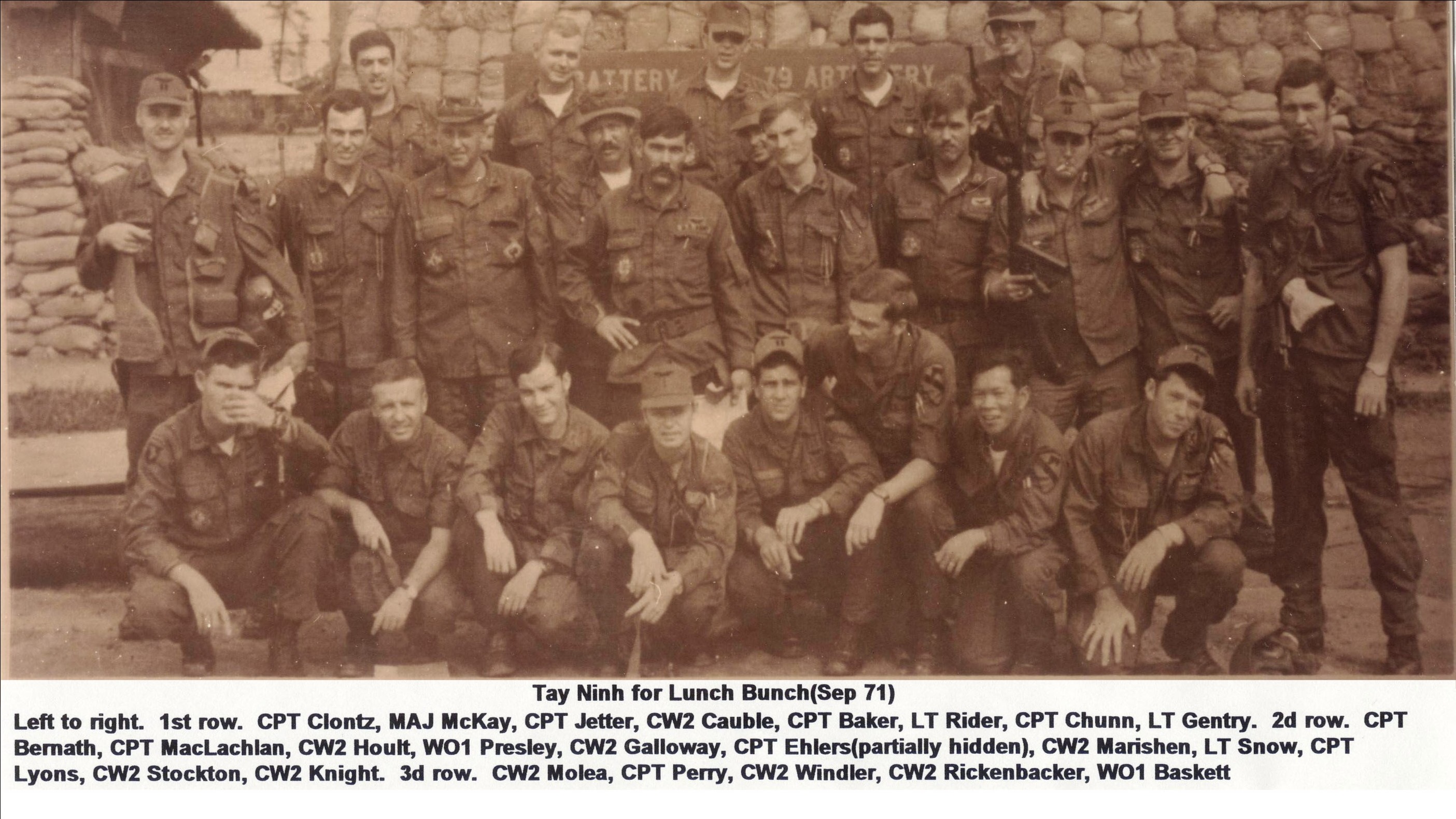
F BATTERY 79TH AFA • U.S. Army • 1971

U.S. Army

U.S. Army • 2000

U.S. Army