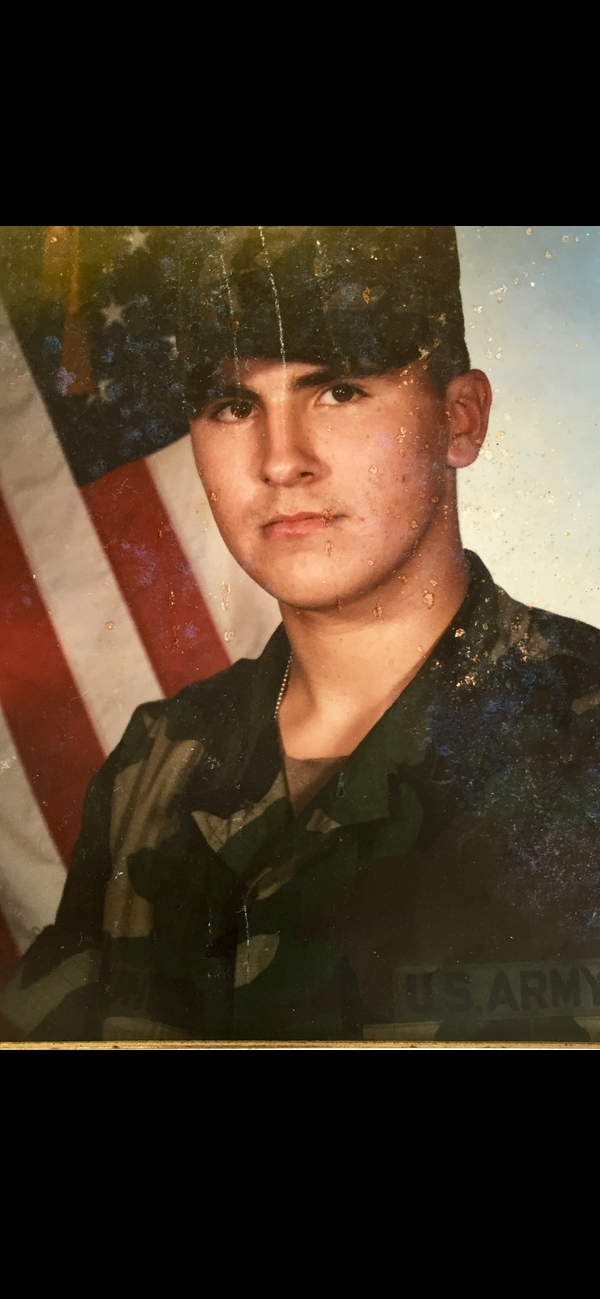
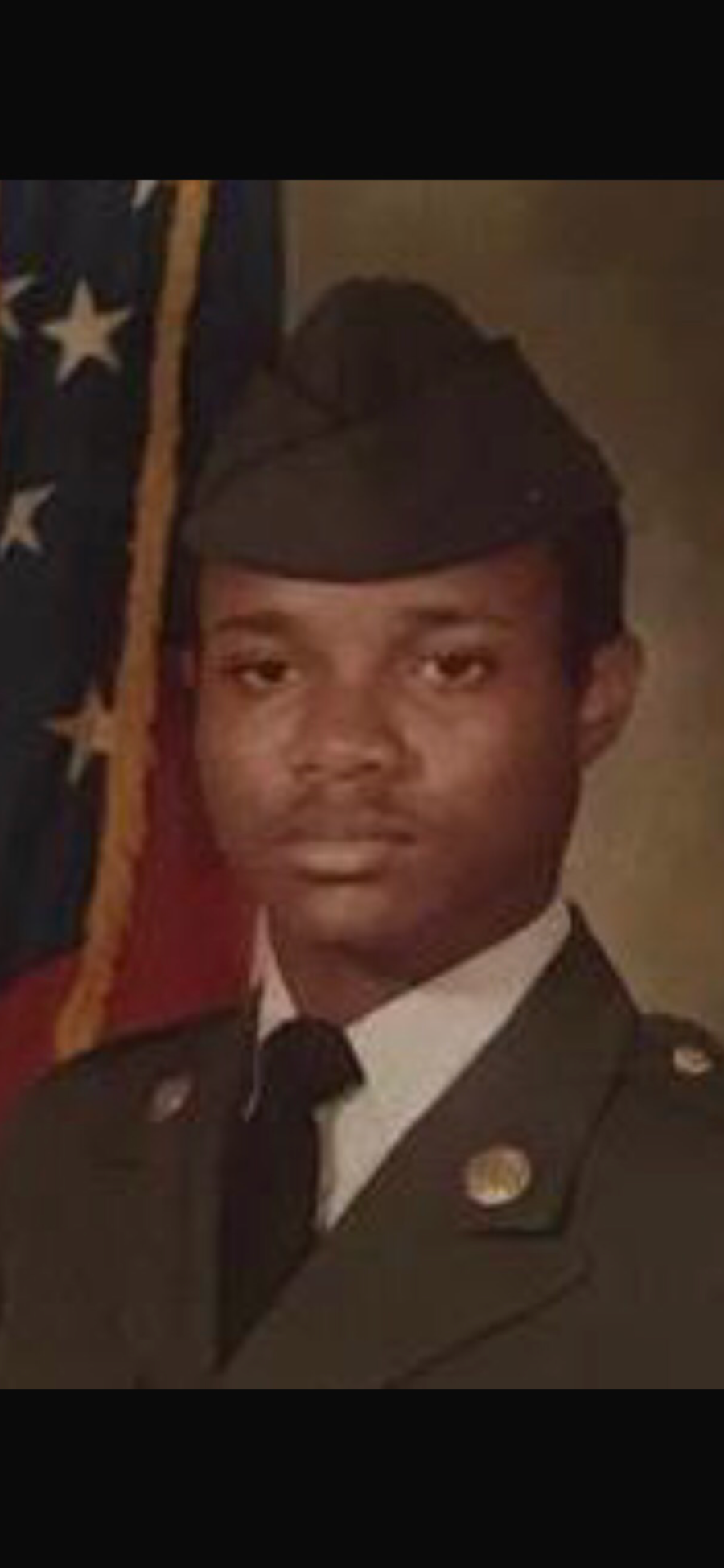
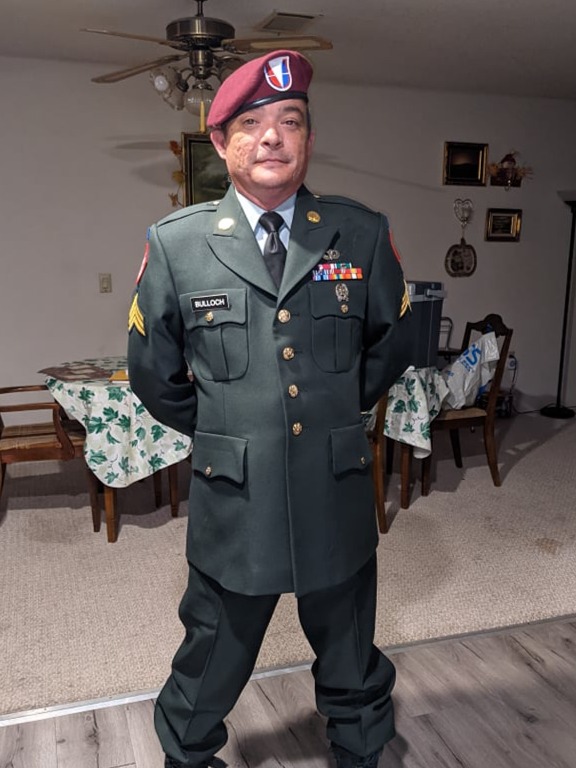
About this Unit
The 13th Subcom, formally known as the 13th Submarine Command, was established during the early stages of World War II to enhance undersea warfare capabilities for its parent navy. Initially tasked with coastal defense and reconnaissance, the unit quickly gained distinction through successful patrols and the interception of enemy supply convoys. Over time, the 13th Subcom expanded its operations into offensive missions, supporting larger fleet actions in critical theaters. Its legacy is marked by innovation in submarine tactics and a record of bold actions that contributed significantly to maritime campaigns.
Historical Facts
• Origins in WWII: The 13th Subcom was originally formed during World War II as a specialized sub-command tasked with logistics and supply chain management in the Pacific Theater.
• Nickname "Lucky 13": Despite superstitions surrounding the number 13, the unit earned the nickname "Lucky 13" due to its remarkable success in high-risk missions without major losses.
• Secret Supply Routes: The 13th Subcom pioneered covert supply routes known as "Shadow Trails" to deliver critical resources behind enemy lines.
• First to Use Amphibious Trucks: They were among the first military units to deploy amphibious trucks (DUKWs), enhancing their logistical capabilities during island-hopping campaigns.
• Commendations: The unit received multiple commendations for bravery, including a Presidential Unit Citation for their role in the Battle of Leyte Gulf.
• Women in Uniform: The 13th Subcom was notable for integrating Women’s Army Corps members into its operations as early as 1943, well before it was widespread in other units.
• Ghost Convoy Legend: There is a legendary story of a "ghost convoy"—a fleet of supply trucks that reportedly vanished during a night mission, only to reappear safely at base with all supplies intact.
• Post-War Reconstruction: After WWII, the 13th Subcom played a key role in post-war reconstruction efforts, helping to rebuild infrastructure in war-torn regions.
• Cold War Transition: During the Cold War, the unit shifted focus to rapid deployment and nuclear readiness logistics, adapting to new global threats.
• Modern Humanitarian Missions: In recent decades, the 13th Subcom has distinguished itself in humanitarian missions, providing disaster relief in over a dozen countries following major natural disasters.