
Opening branch overview
Building the branch home surface
Loading branch highlights, featured unit context, and gallery moments.
Overview
Members
Units
Building the branch home surface
Loading branch highlights, featured unit context, and gallery moments.
Building the branch units surface
Loading unit filters, rankings, and the branch unit grid.

11 members•1 unit
Relive and share the memories of your service-time with your brothers and sisters in arms today. VetFriends.com can help you reconnect.
Did you proudly serve in the 13th Battalion?
Are you looking for someone who is or was in the 13th Battalion?
Do you have 13th Battalion photos you'd like to share?
Then join a community with your brothers and sisters of the 13th Battalion.
Branch
U.S. Army
Members
11
The 13th Battalion was an infantry unit raised as part of the Australian Imperial Force (AIF) in September 1914, shortly after the outbreak of World War I. Primarily composed of volunteers from New South Wales, the battalion formed part of the 4th Brigade and famously landed at Gallipoli on 25 April 1915, enduring heavy fighting throughout the campaign. After the withdrawal from Gallipoli, the 13th Battalion was redeployed to the Western Front in France and Belgium, where it participated in major battles such as Pozières, Bullecourt, and Passchendaele. The unit was disbanded in 1919 following the end of the war, having established a distinguished combat record and sustaining significant casualties throughout its service.
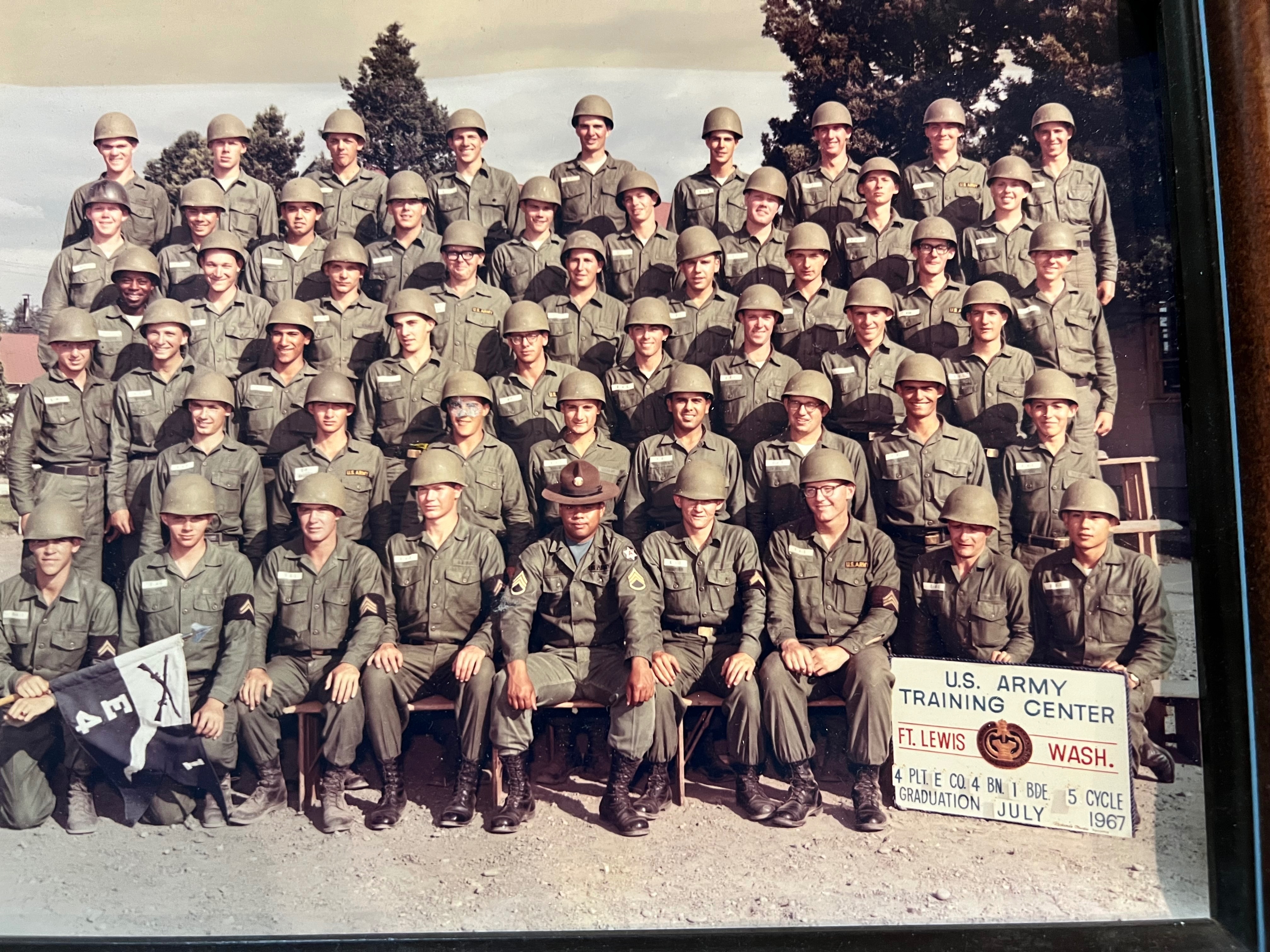
U.S. Army
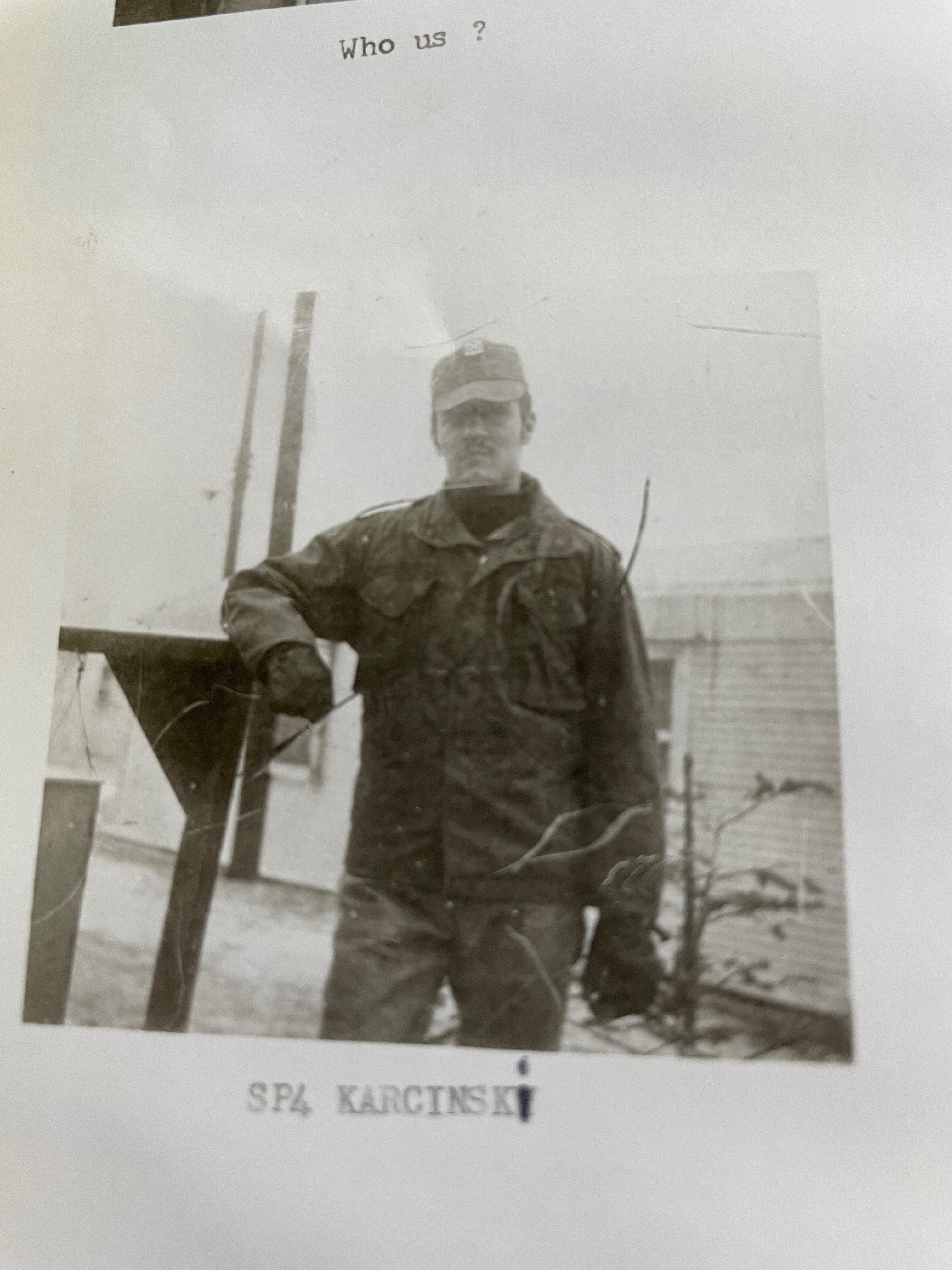
U.S. Army
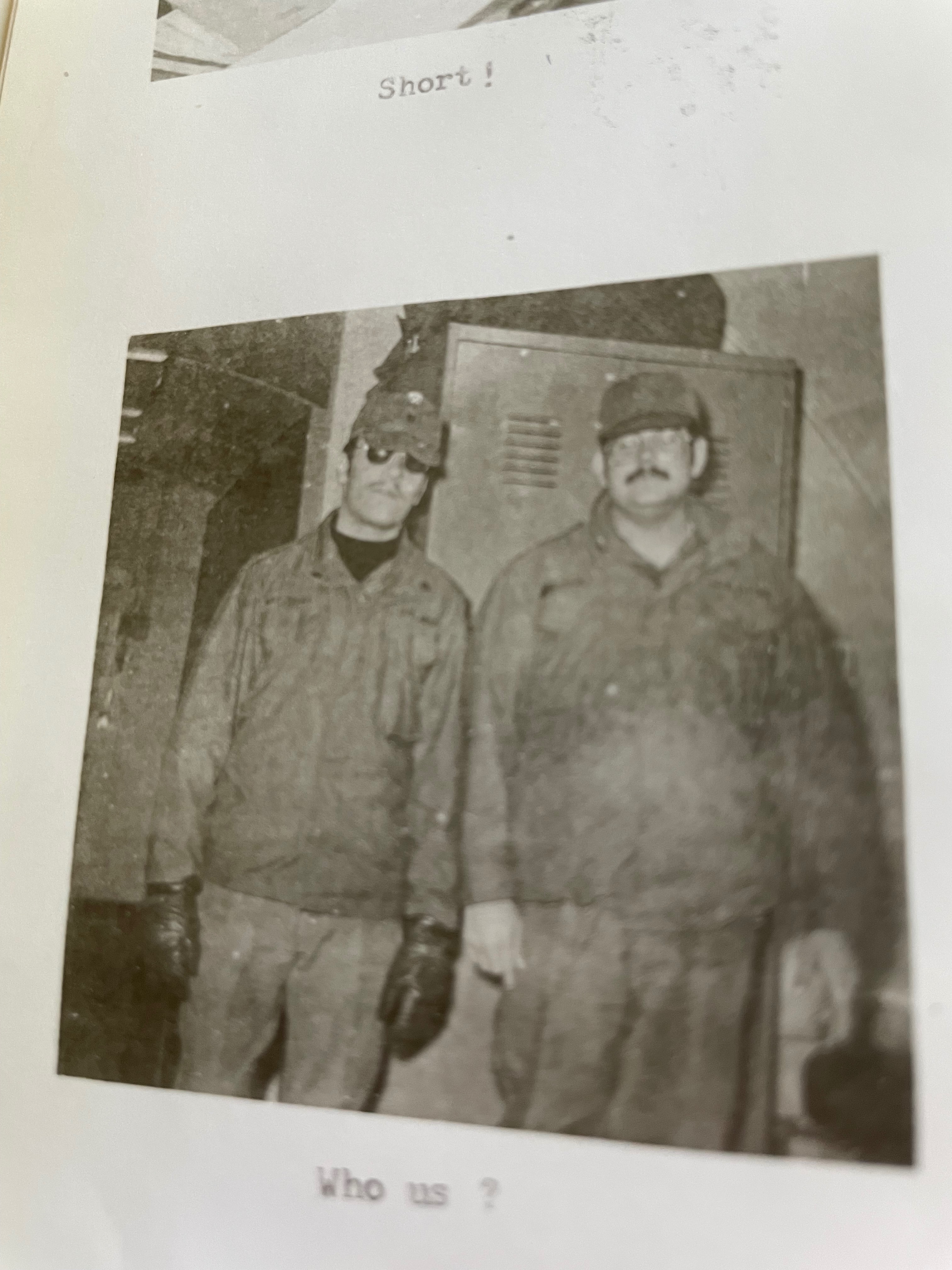
U.S. Army
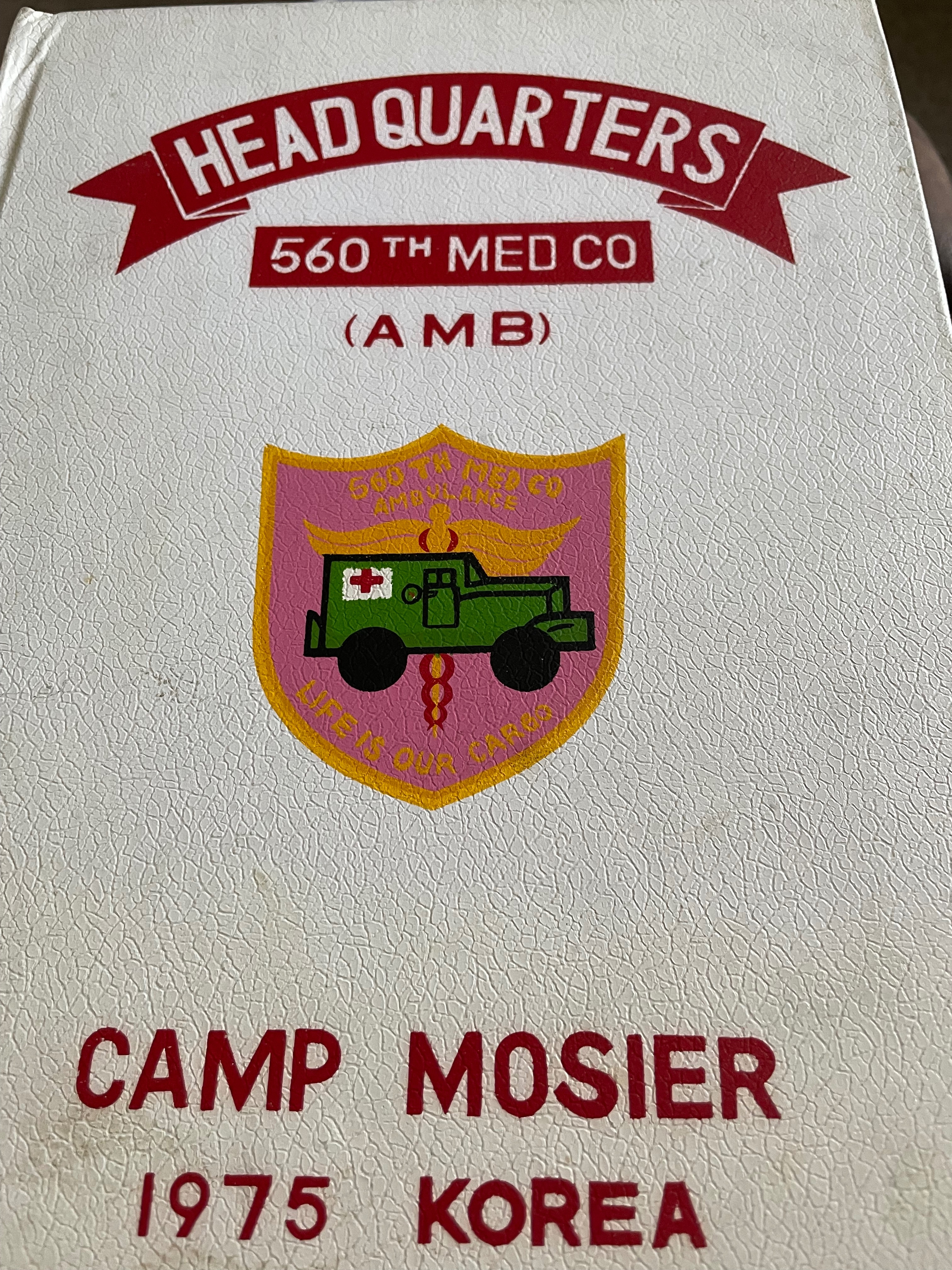
U.S. Army