
Opening branch overview
Building the branch home surface
Loading branch highlights, featured unit context, and gallery moments.
Overview
Members
Units
Building the branch home surface
Loading branch highlights, featured unit context, and gallery moments.
Building the branch units surface
Loading unit filters, rankings, and the branch unit grid.

4 members•1 unit
Relive and share the memories of your service-time with your brothers and sisters in arms today. VetFriends.com can help you reconnect.
Did you proudly serve in the 1394th Transportation Brigade?
Are you looking for someone who is or was in the 1394th Transportation Brigade?
Do you have 1394th Transportation Brigade photos you'd like to share?
Then join a community with your brothers and sisters of the 1394th Transportation Brigade.
Branch
U.S. Army
Members
4
The 1394th Transportation Brigade is a unit of the United States Army Reserve, headquartered in Camp Pendleton, California. Activated in 2000, the brigade provides transportation and logistical support, specializing in the movement of personnel, equipment, and supplies. It plays a crucial role in supporting military operations and exercises, particularly in the Pacific and Western United States. The 1394th has participated in numerous joint and multinational training missions, enhancing the Army's global deployment capabilities.
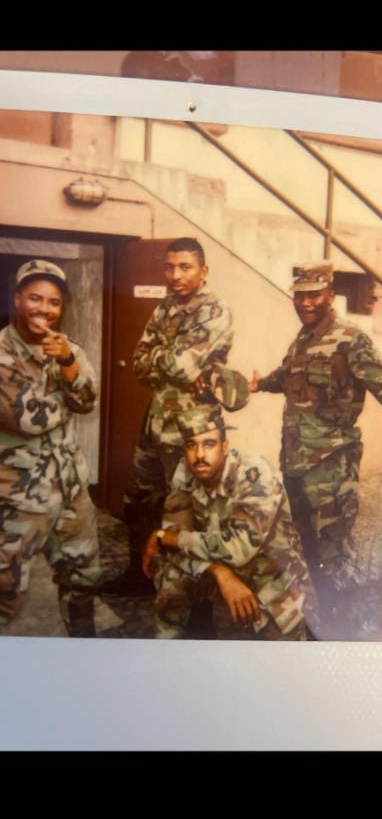
9th Engineer Batallion • U.S. Army

U.S. Army
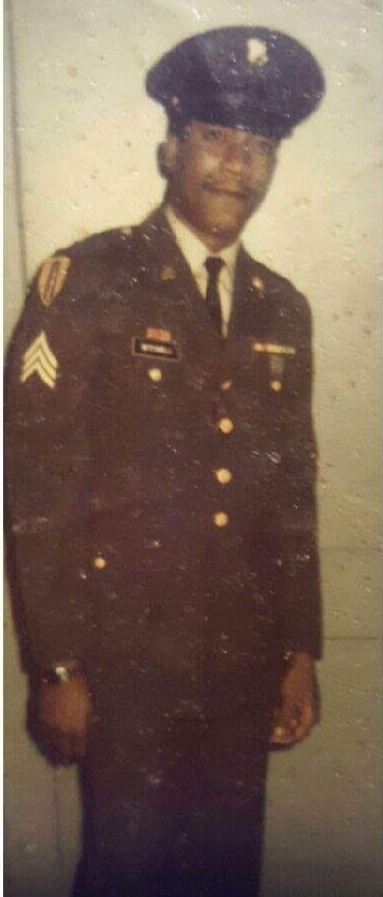
278 Signal Corp • U.S. Army
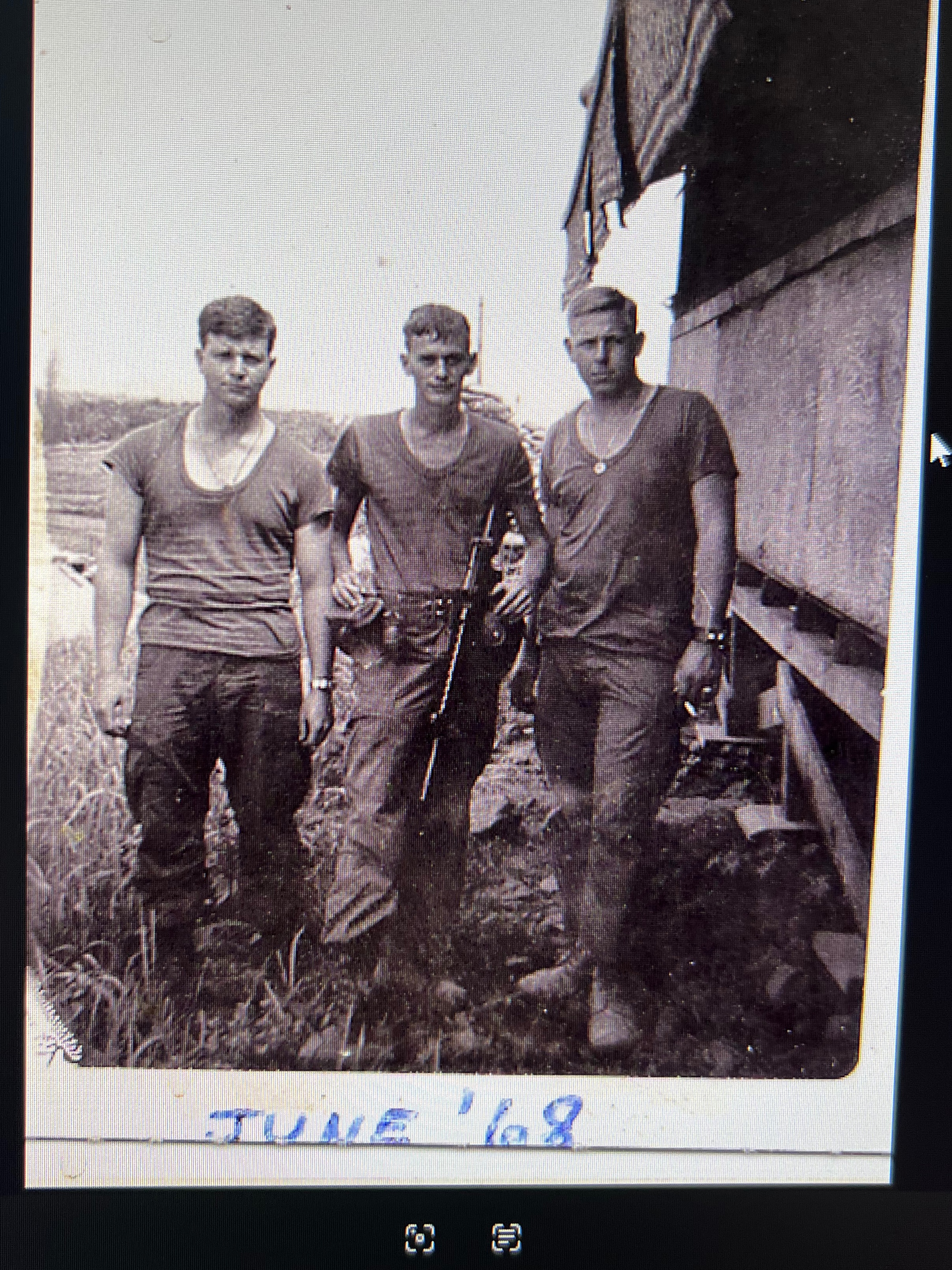
11th light infantry • U.S. Army • 1968