
Opening branch overview
Building the branch home surface
Loading branch highlights, featured unit context, and gallery moments.
Overview
Members
Units
Building the branch home surface
Loading branch highlights, featured unit context, and gallery moments.
Building the branch units surface
Loading unit filters, rankings, and the branch unit grid.

63 members•1 unit
Relive and share the memories of your service-time with your brothers and sisters in arms today. VetFriends.com can help you reconnect.
Did you proudly serve in the 11th Engineers?
Are you looking for someone who is or was in the 11th Engineers?
Do you have 11th Engineers photos you'd like to share?
Then join a community with your brothers and sisters of the 11th Engineers.
Branch
U.S. Army
Members
63
The 11th Engineers was originally constituted in the Regular Army in 1916 and organized at Fort Belvoir, Virginia. During World War I, the unit deployed to France, where it played a crucial role in constructing trenches, roads, and railways under combat conditions, earning a French Croix de Guerre for its valor. In World War II, the 11th Engineers supported armored divisions in Europe, facilitating rapid advances by building bridges and clearing obstacles. Over the decades, the unit has continued to serve with distinction, adapting to changing missions and technologies while upholding its proud heritage of combat engineering excellence.
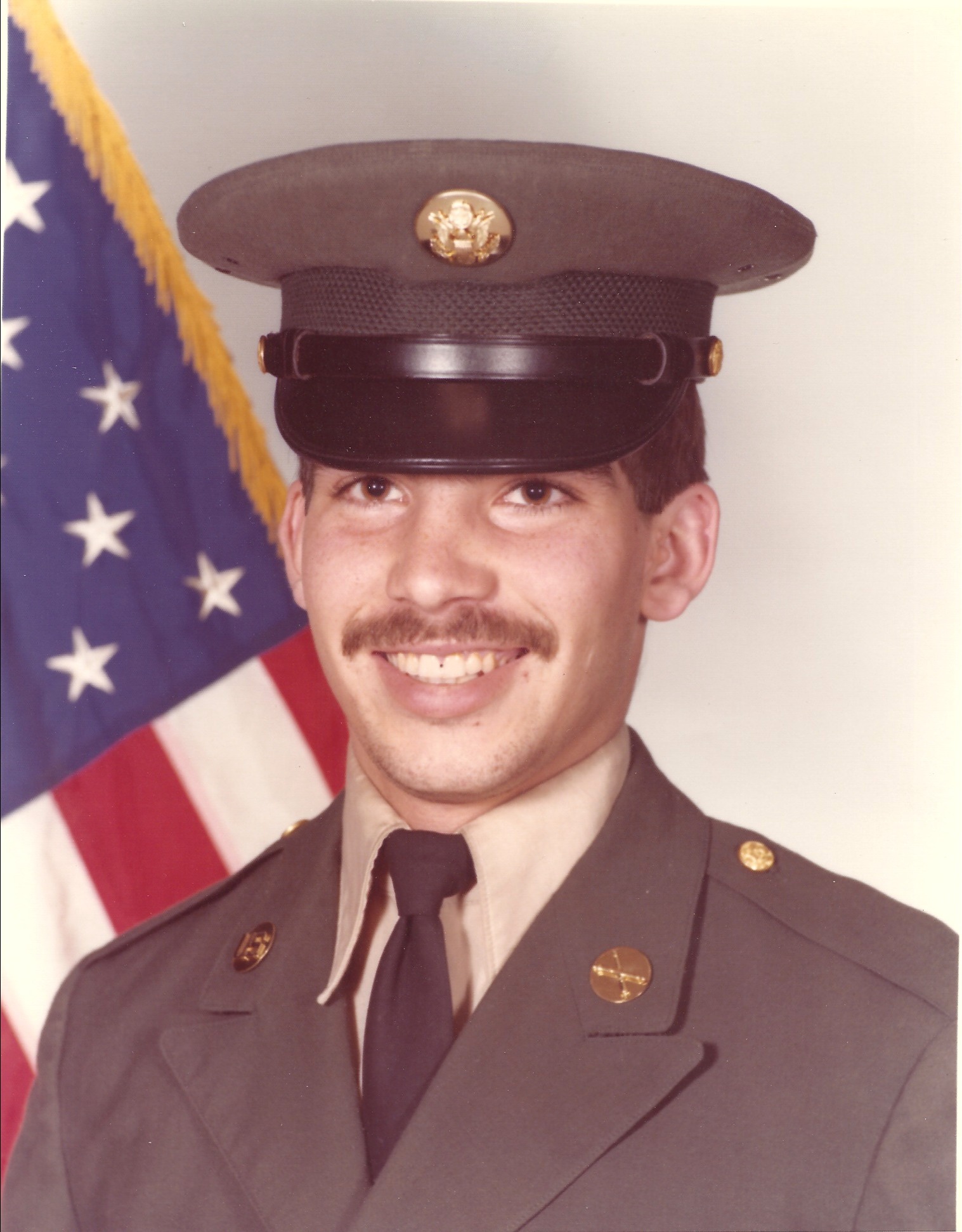
ARTILLERY • U.S. Army
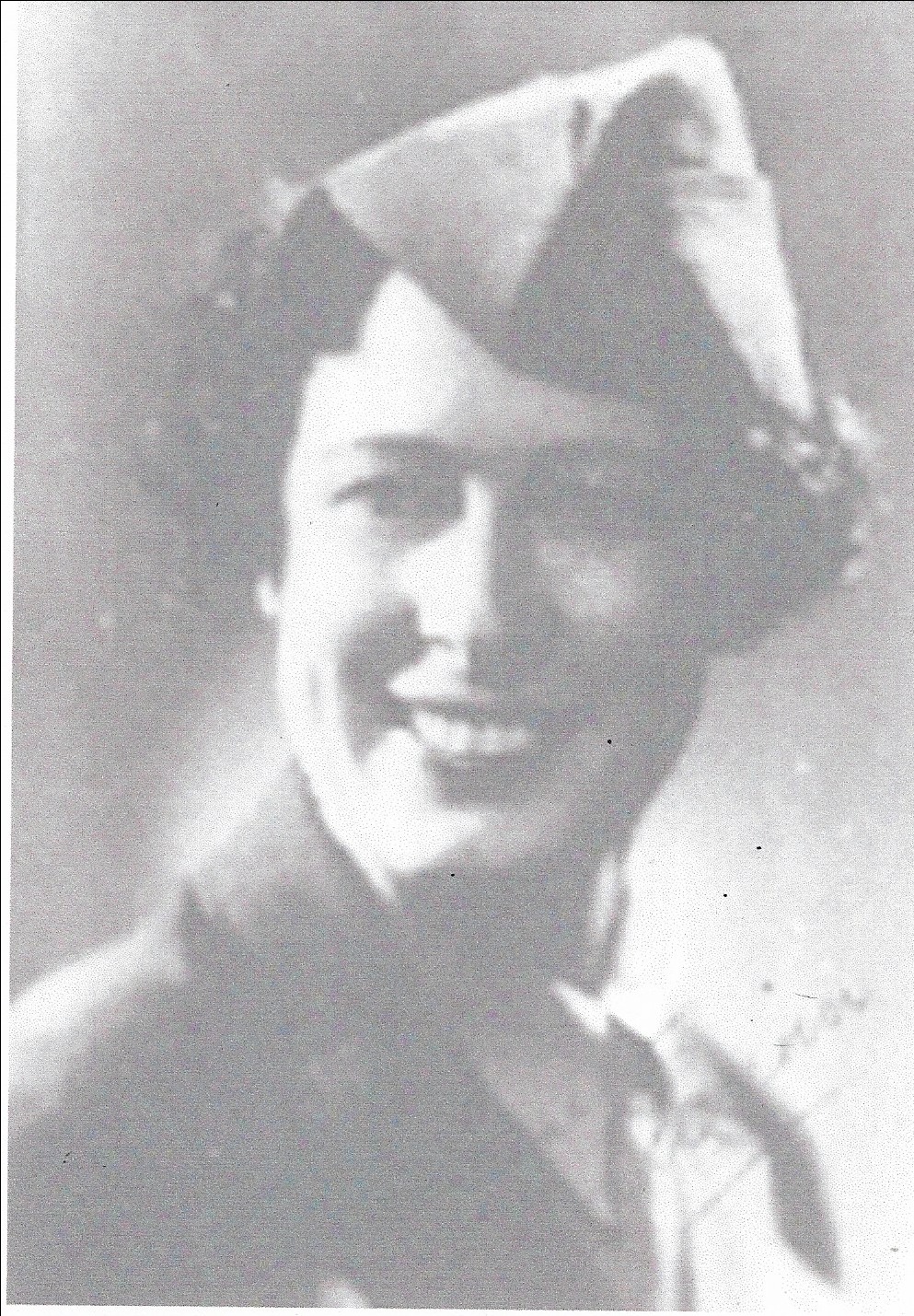
U.S. Army
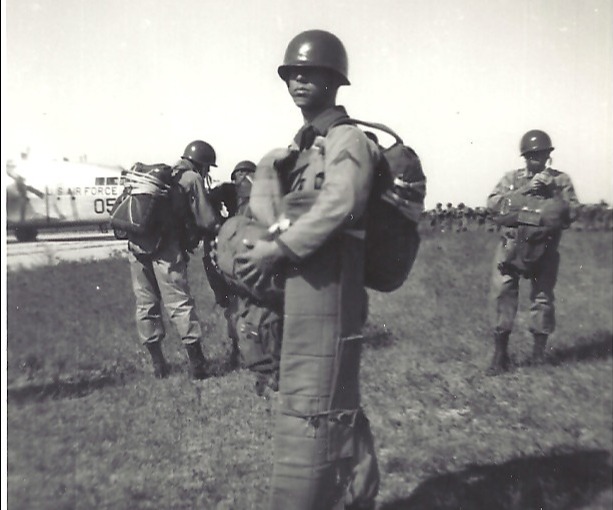
82nd Airborne • U.S. Army • 1954
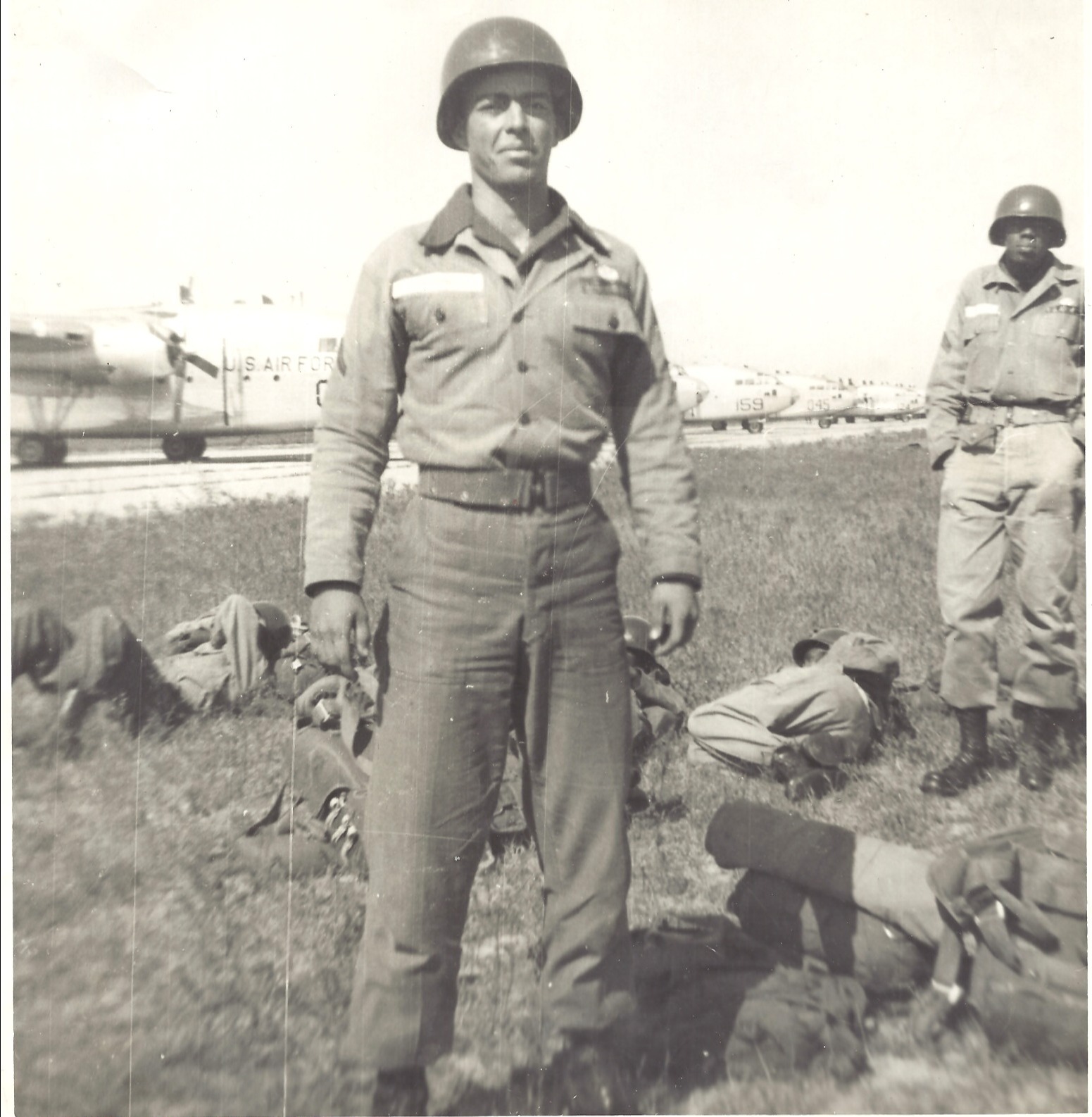
82nd Airborne • U.S. Army • 1954