
Opening branch overview
Building the branch home surface
Loading branch highlights, featured unit context, and gallery moments.
Overview
Members
Units
Building the branch home surface
Loading branch highlights, featured unit context, and gallery moments.
Building the branch units surface
Loading unit filters, rankings, and the branch unit grid.

19 members•1 unit
Relive and share the memories of your service-time with your brothers and sisters in arms today. VetFriends.com can help you reconnect.
Did you proudly serve in the 11th Air Assault Div (TEST)?
Are you looking for someone who is or was in the 11th Air Assault Div (TEST)?
Do you have 11th Air Assault Div (TEST) photos you'd like to share?
Then join a community with your brothers and sisters of the 11th Air Assault Div (TEST).
Branch
U.S. Army
Members
19
The 11th Air Assault Division (Test) was an experimental unit of the United States Army, activated in 1963 at Fort Benning, Georgia. Its primary mission was to test and evaluate the concept of rapid troop movement and assault using helicopters, a revolutionary tactic at the time. Over two years, the division developed and refined air mobility tactics, which proved highly effective and laid the groundwork for future operations. In 1965, the division was inactivated, and its assets were used to form the 1st Cavalry Division (Airmobile), which soon deployed to Vietnam and demonstrated the effectiveness of air assault operations in combat.
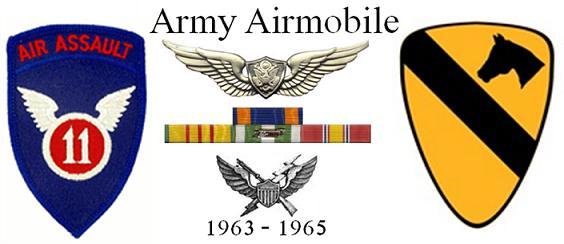
U.S. Army
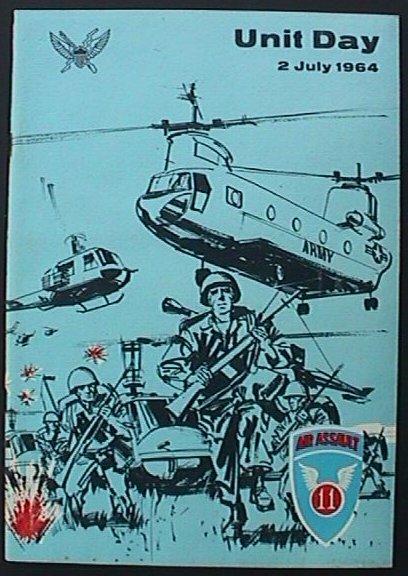
U.S. Army
U.S. Army
U.S. Army