
Opening branch overview
Building the branch home surface
Loading branch highlights, featured unit context, and gallery moments.
Overview
Members
Units
Building the branch home surface
Loading branch highlights, featured unit context, and gallery moments.
Building the branch units surface
Loading unit filters, rankings, and the branch unit grid.

U.S. Army•3 members
Relive and share the memories of your service-time with your brothers and sisters in arms today. VetFriends.com can help you reconnect.
Did you proudly serve in the 11B40 Lt Wpns Inf?
Are you looking for someone who is or was in the 11B40 Lt Wpns Inf?
Do you have 11B40 Lt Wpns Inf photos you'd like to share?
Then join a community with your brothers and sisters of the 11B40 Lt Wpns Inf.
The 11B40 Light Weapons Infantryman was a specialized military occupational specialty (MOS) in the United States Army during the Vietnam War era. This role denoted a senior infantryman proficient in the employment of light weapons, such as rifles, machine guns, and anti-tank systems. Soldiers with the 11B40 designation often served as team leaders or squad leaders, responsible for directing troops in combat and utilizing a variety of infantry weapons. The MOS was integral to ground combat operations, emphasizing leadership, tactical movement, and effective use of light weaponry in diverse combat environments.
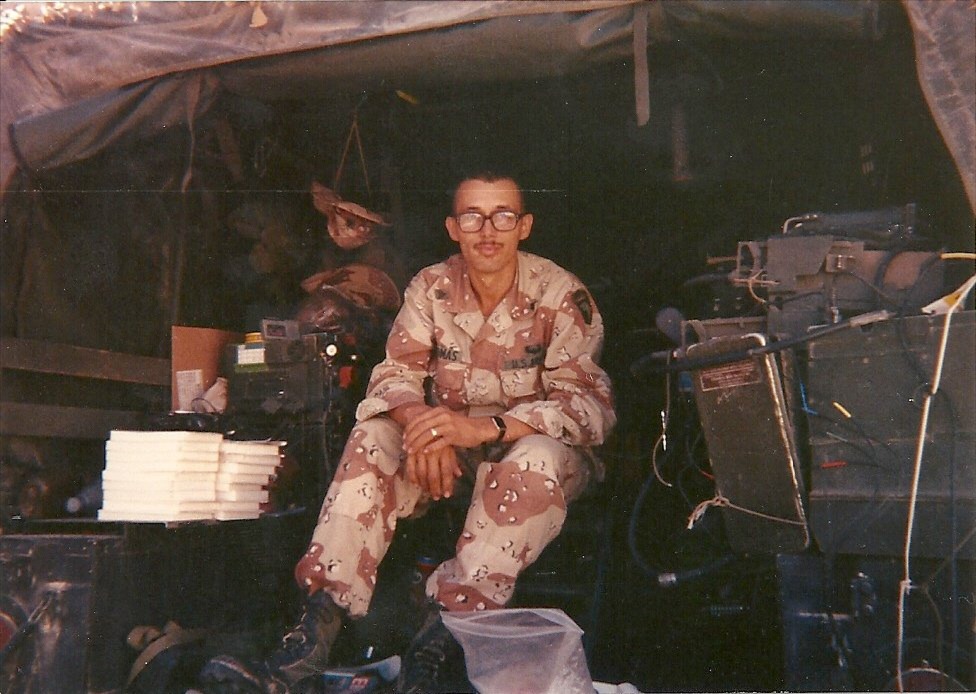
101st Airborne • U.S. Army • 1990

U.S. Army
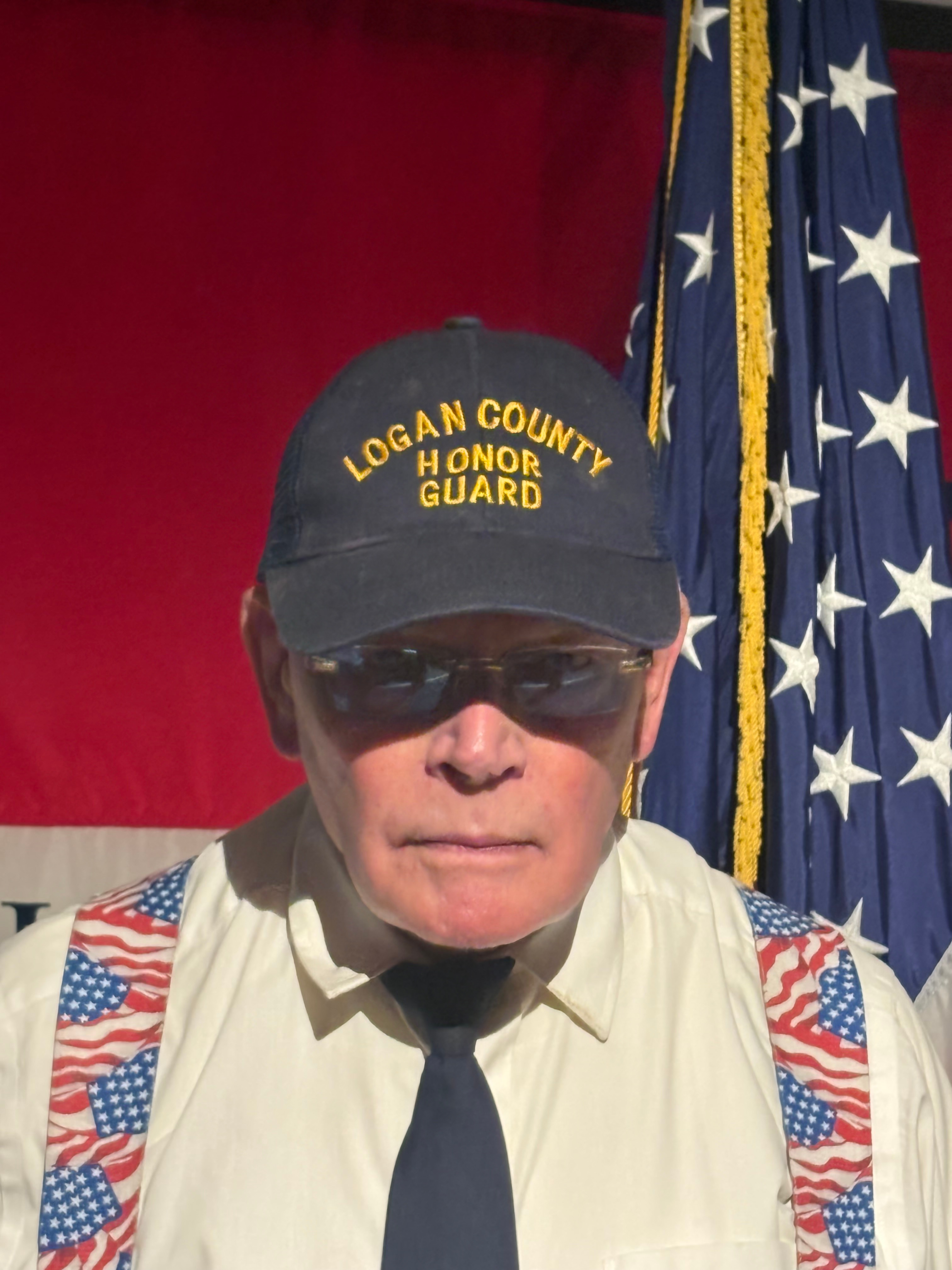
4th Infantry Division • U.S. Army • 1967
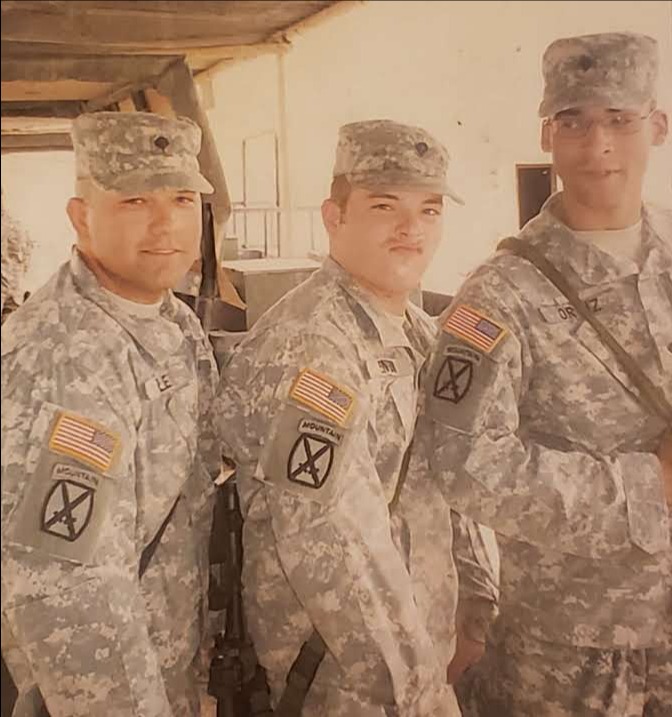
3rd Infantry Division • U.S. Army • 2007