
Opening branch overview
Building the branch home surface
Loading branch highlights, featured unit context, and gallery moments.
Overview
Members
Units
Building the branch home surface
Loading branch highlights, featured unit context, and gallery moments.
Building the branch units surface
Loading unit filters, rankings, and the branch unit grid.

10 members•1 unit
Relive and share the memories of your service-time with your brothers and sisters in arms today. VetFriends.com can help you reconnect.
Did you proudly serve in the 110th General Hospital?
Are you looking for someone who is or was in the 110th General Hospital?
Do you have 110th General Hospital photos you'd like to share?
Then join a community with your brothers and sisters of the 110th General Hospital.
Branch
U.S. Army
Members
10
The 110th General Hospital was a U.S. Army medical unit activated during World War II. Initially organized in 1942, it trained at various locations in the United States before deploying to the European Theater of Operations. The hospital provided critical medical care to wounded Allied personnel, operating in England and later moving to France after D-Day. Its dedicated staff treated thousands of casualties, playing a vital role in supporting frontline combat operations until the end of the war.
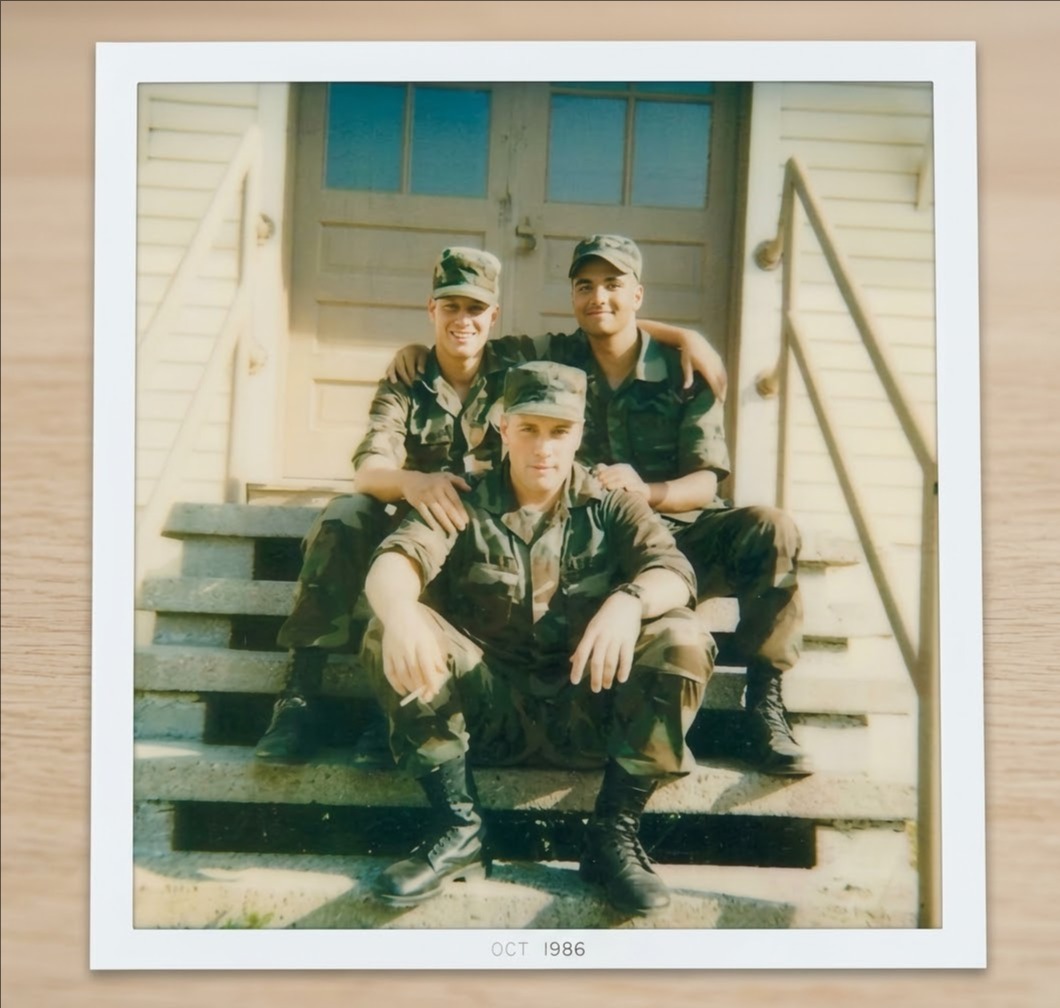
3rd Armored Division • U.S. Army • 1984
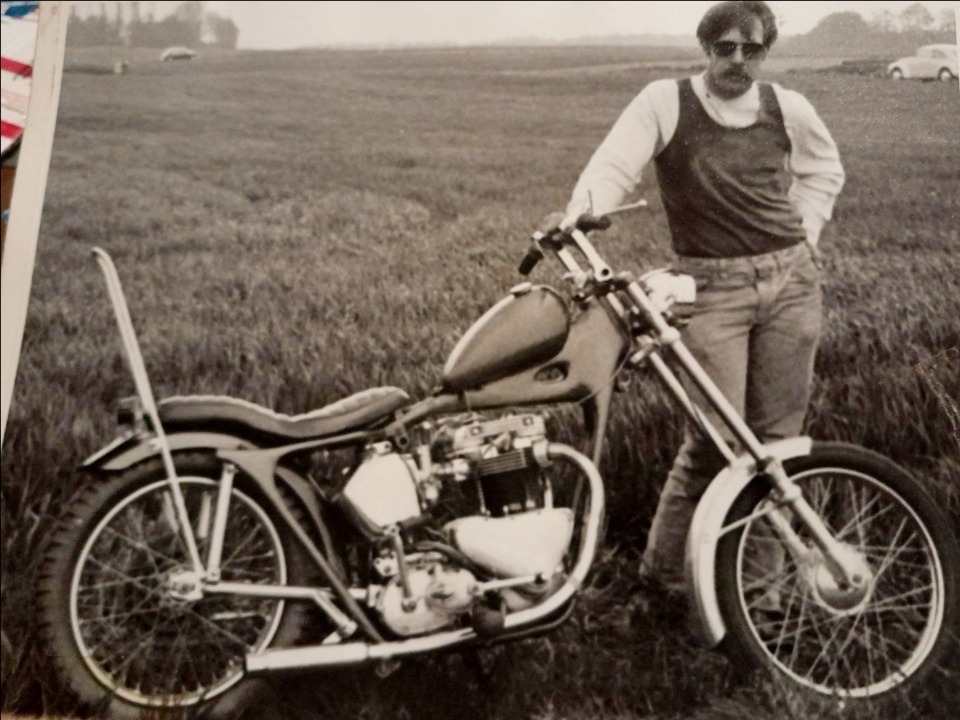
U.S. Army

USAE AFCENT • U.S. Army • 1971
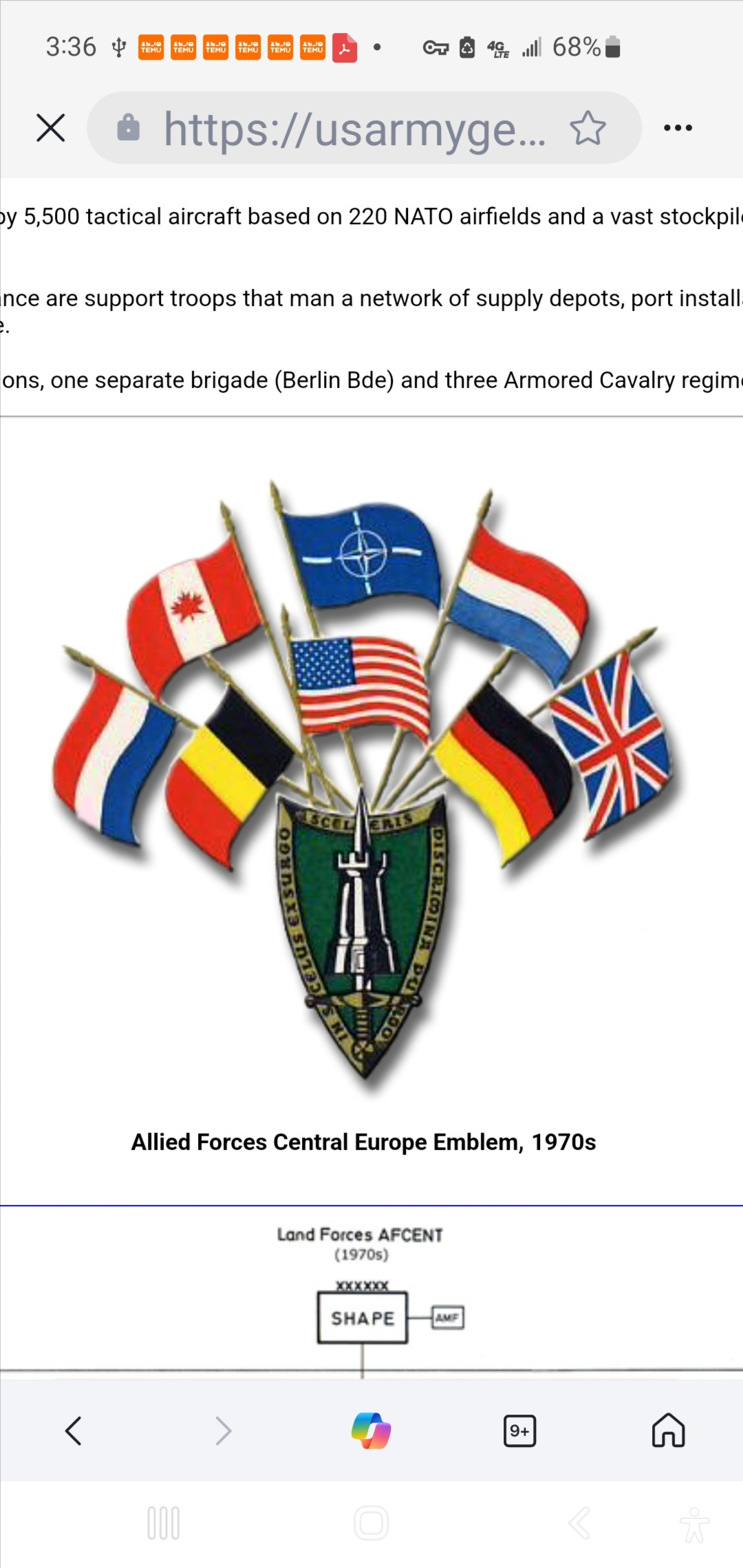
USAE AFCENT • U.S. Army • 1969