
Opening branch overview
Building the branch home surface
Loading branch highlights, featured unit context, and gallery moments.
Overview
Members
Units
Building the branch home surface
Loading branch highlights, featured unit context, and gallery moments.
Building the branch units surface
Loading unit filters, rankings, and the branch unit grid.

U.S. Army•6 members
Relive and share the memories of your service-time with your brothers and sisters in arms today. VetFriends.com can help you reconnect.
Did you proudly serve in the 102d ARCOM DCSIM?
Are you looking for someone who is or was in the 102d ARCOM DCSIM?
Do you have 102d ARCOM DCSIM photos you'd like to share?
Then join a community with your brothers and sisters of the 102d ARCOM DCSIM.
The 102d Army Reserve Command (ARCOM) DCSIM (Deputy Chief of Staff for Information Management) was a key staff element responsible for overseeing information systems, communications, and automation support within the 102d ARCOM. Based historically in the midwestern United States, the 102d ARCOM provided command and control of Army Reserve units across several states, including Missouri and Illinois, throughout the late 20th century. The DCSIM section enabled operational readiness by ensuring robust and secure communications, supporting training, mobilizations, and administrative functions. During its tenure, the 102d ARCOM DCSIM adapted to evolving technologies and played a critical role in modernizing information management before Army Reserve command structures were reorganized in the 1990s and early 2000s.
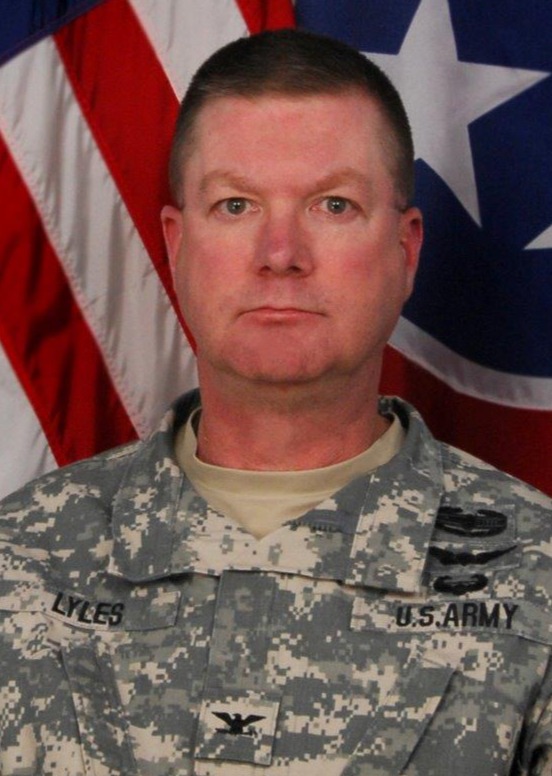
JFHQ • U.S. Army • 2015
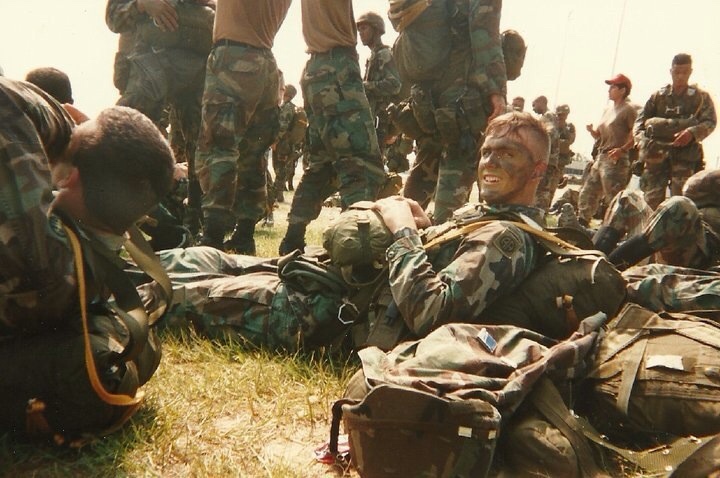
U.S. Army

U.S. Army
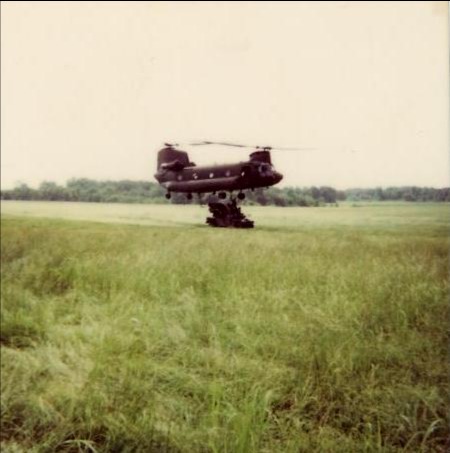
2-44 ADA FT CAMPBELL KY • U.S. Army • 1999