
Opening branch overview
Building the branch home surface
Loading branch highlights, featured unit context, and gallery moments.
Overview
Members
Units
Building the branch home surface
Loading branch highlights, featured unit context, and gallery moments.
Building the branch units surface
Loading unit filters, rankings, and the branch unit grid.

15 members•1 unit
Relive and share the memories of your service-time with your brothers and sisters in arms today. VetFriends.com can help you reconnect.
Did you proudly serve in the 101st Camp Eagle, 5th Trans?
Are you looking for someone who is or was in the 101st Camp Eagle, 5th Trans?
Do you have 101st Camp Eagle, 5th Trans photos you'd like to share?
Then join a community with your brothers and sisters of the 101st Camp Eagle, 5th Trans.
Branch
U.S. Army
Members
15
The 101st Camp Eagle, 5th Transportation Company, traces its origins to the Vietnam War era, when it was stationed at Camp Eagle near Hue, South Vietnam. As part of the 101st Airborne Division’s logistical support, the 5th Transportation provided crucial convoy operations, delivering supplies, ammunition, and equipment to forward units. The company played a vital role during major campaigns such as the Tet Offensive and the Battle of Fire Support Base Ripcord, ensuring sustained combat effectiveness for frontline troops. After the war, elements of the 5th Transportation continued to serve in various logistical capacities, upholding a proud tradition of mobility and support within the U.S. Army.
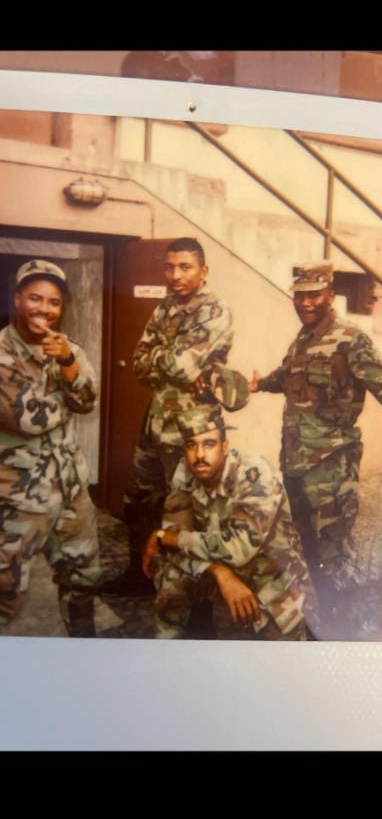
9th Engineer Batallion • U.S. Army
U.S. Army
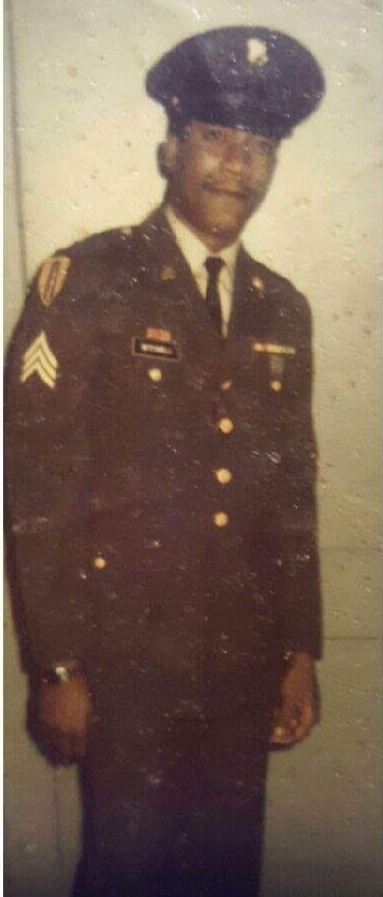
278 Signal Corp • U.S. Army
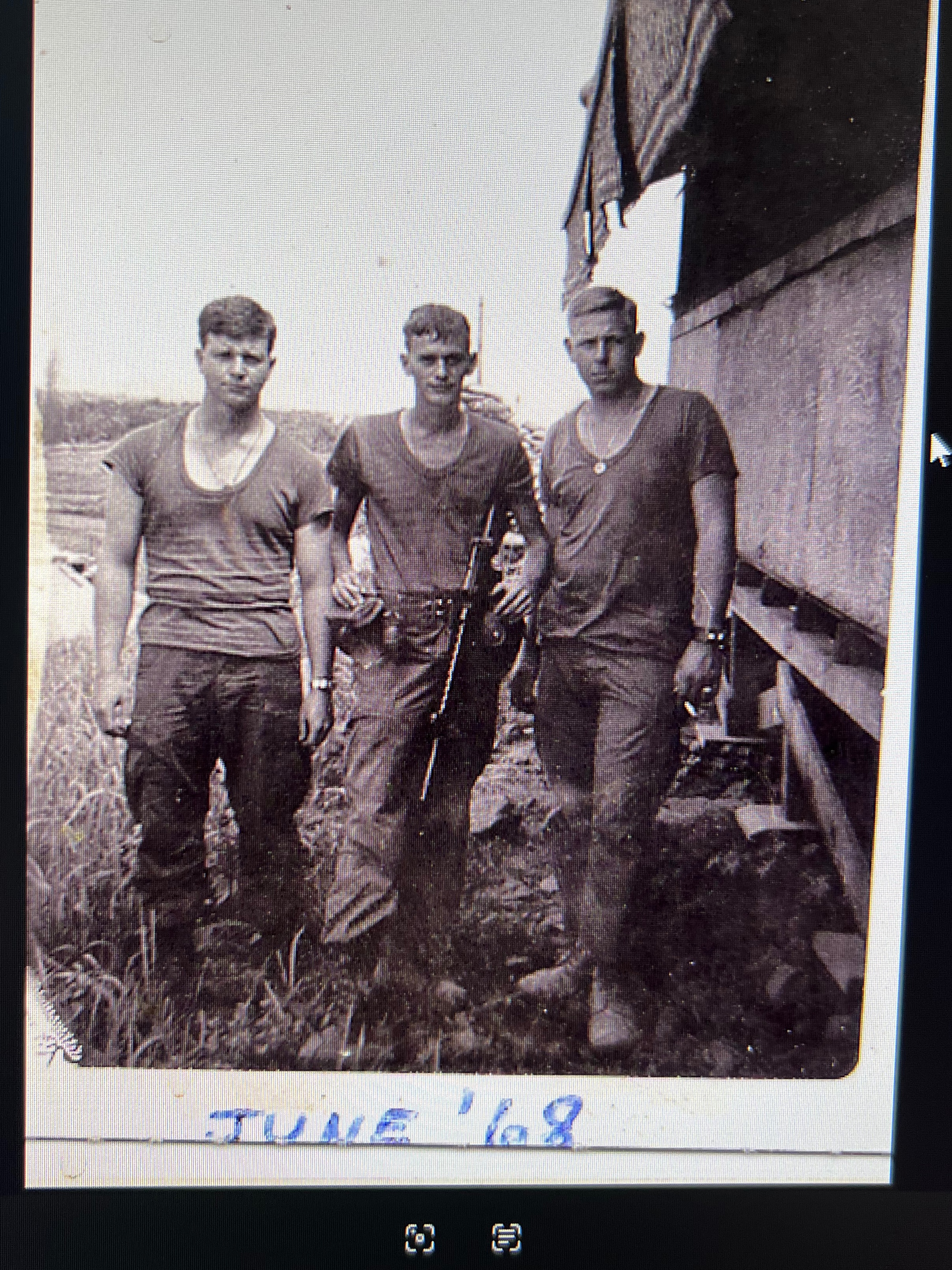
11th light infantry • U.S. Army • 1968