
Opening branch overview
Building the branch home surface
Loading branch highlights, featured unit context, and gallery moments.
Overview
Members
Units
Building the branch home surface
Loading branch highlights, featured unit context, and gallery moments.
Building the branch units surface
Loading unit filters, rankings, and the branch unit grid.

37 members•1 unit
Relive and share the memories of your service-time with your brothers and sisters in arms today. VetFriends.com can help you reconnect.
Did you proudly serve in the Wake Islabnd?
Are you looking for someone who is or was in the Wake Islabnd?
Do you have Wake Islabnd photos you'd like to share?
Then join a community with your brothers and sisters of the Wake Islabnd.
Branch
U.S. Air Force
Members
37
**Wake Island** is a small atoll in the Pacific Ocean that gained significant military importance during World War II. In December 1941, shortly after the attack on Pearl Harbor, a small garrison of U.S. Marines, Navy personnel, and civilian contractors bravely defended the island against a massive Japanese assault. Despite being heavily outnumbered and bombarded, the defenders managed to repel the initial invasion before being overwhelmed and forced to surrender after a two-week siege. The heroic stand at Wake Island became a symbol of American resilience and valor during the early days of the Pacific War. The island remained under Japanese occupation until it was surrendered back to U.S. forces at the end of the war.
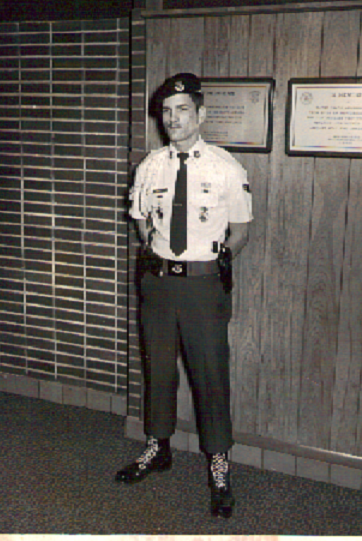
6960th • U.S. Air Force • 1982
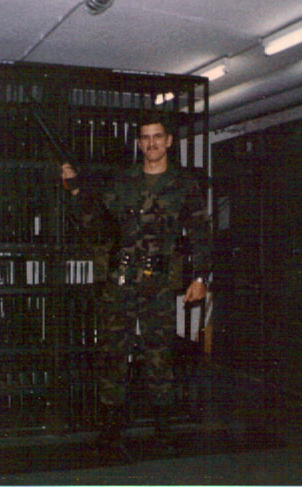
6913th • U.S. Air Force • 1983
6960th • U.S. Air Force • 1981
661st Air Force Band ( AFLC ) • U.S. Air Force • 1972