
Opening branch overview
Building the branch home surface
Loading branch highlights, featured unit context, and gallery moments.
Overview
Members
Units
Building the branch home surface
Loading branch highlights, featured unit context, and gallery moments.
Building the branch units surface
Loading unit filters, rankings, and the branch unit grid.

U.S. Air Force•82 members
Relive and share the memories of your service-time with your brothers and sisters in arms today. VetFriends.com can help you reconnect.
Did you proudly serve in the USAR Control Group?
Are you looking for someone who is or was in the USAR Control Group?
Do you have USAR Control Group photos you'd like to share?
Then join a community with your brothers and sisters of the USAR Control Group.
The United States Army Reserve (USAR) Control Group is an administrative entity within the U.S. Army Reserve, established to manage soldiers who are not assigned to traditional Reserve units but remain subject to recall. Originating during the post-World War II era, the USAR Control Group was designed to maintain accountability and readiness for Individual Ready Reserve (IRR) members, Standby Reserve, and Retired Reserve personnel. Over the decades, it has played a crucial role in augmenting active-duty forces during major conflicts, such as the Korean War, Vietnam War, and the Global War on Terrorism. The USAR Control Group continues to be essential for mobilization planning, ensuring the Army can quickly access trained personnel when needed.
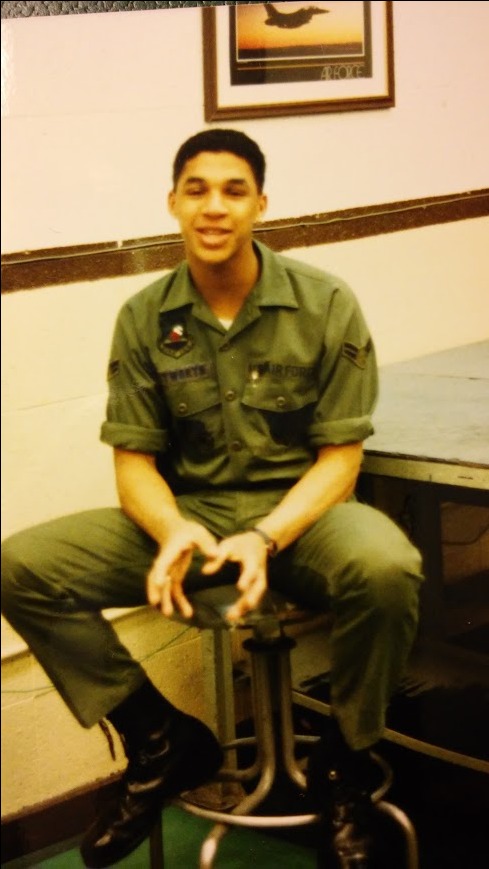
U.S. Air Force • 1987
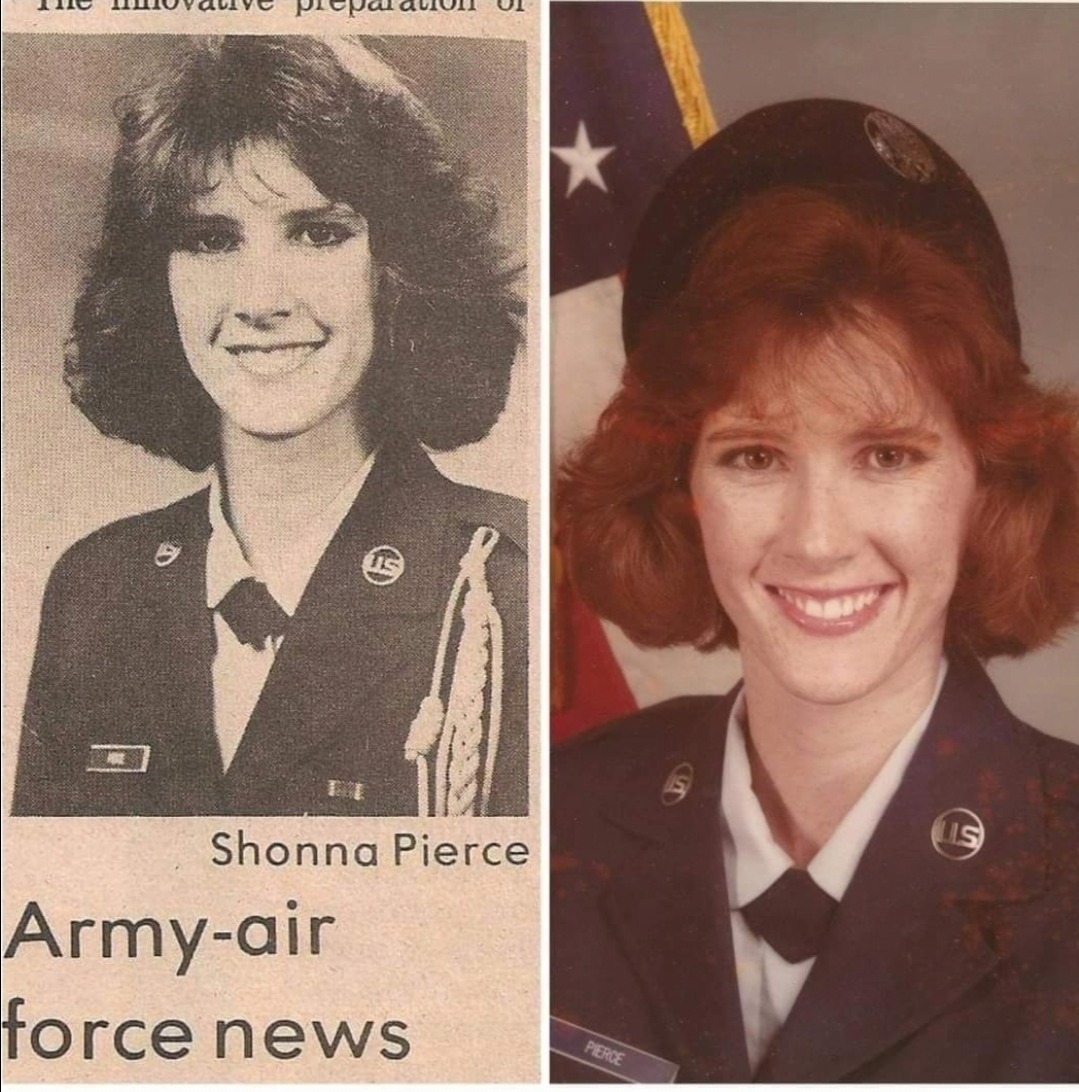
U.S. Air Force
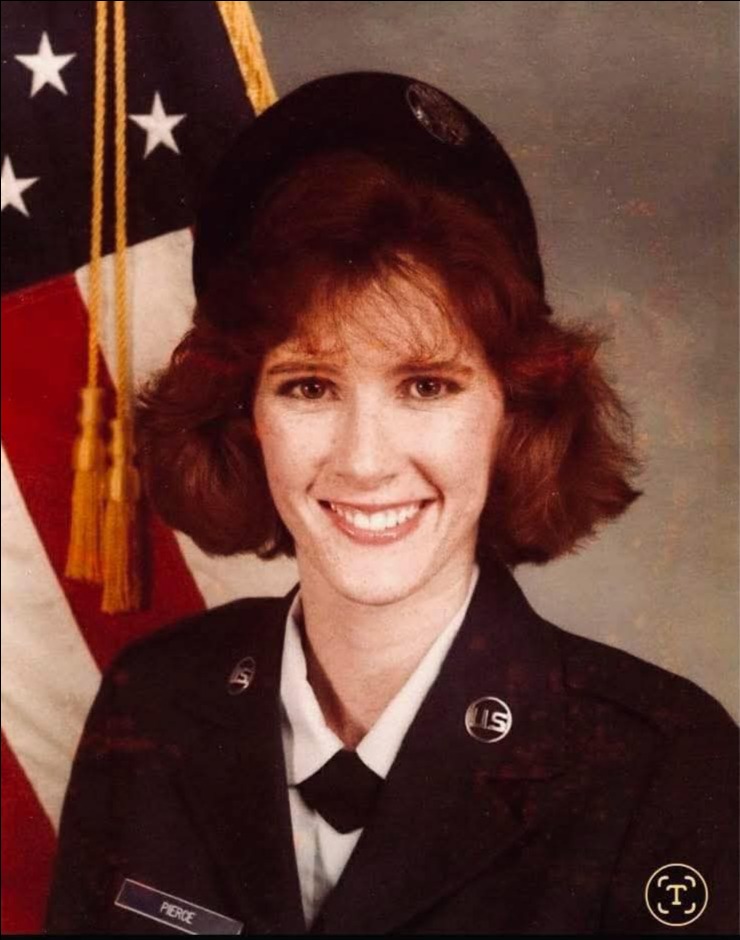
U.S. Air Force

U.S. Air Force • 2026