
Opening branch overview
Building the branch home surface
Loading branch highlights, featured unit context, and gallery moments.
Overview
Members
Units
Building the branch home surface
Loading branch highlights, featured unit context, and gallery moments.
Building the branch units surface
Loading unit filters, rankings, and the branch unit grid.

U.S. Air Force•120 members
Relive and share the memories of your service-time with your brothers and sisters in arms today. VetFriends.com can help you reconnect.
Did you proudly serve in the USAFE?
Are you looking for someone who is or was in the USAFE?
Do you have USAFE photos you'd like to share?
Then join a community with your brothers and sisters of the USAFE.
The United States Air Forces in Europe (USAFE) traces its origins to World War II, when it was first activated as the Eighth Air Force in 1942 to direct bombing operations over Nazi-occupied Europe. Following the war, USAFE was established in 1945 to oversee American air operations across Europe, playing a pivotal role during the Berlin Airlift and throughout the Cold War as a deterrent against Soviet aggression. Over the decades, USAFE adapted to changing global threats, participating in NATO exercises, supporting operations in the Balkans, the Middle East, and Africa. Today, USAFE remains a vital component of U.S. and allied security in Europe, providing combat-ready airpower, strengthening partnerships, and ensuring rapid response capabilities across the region.

U.S. Air Force

U.S. Air Force
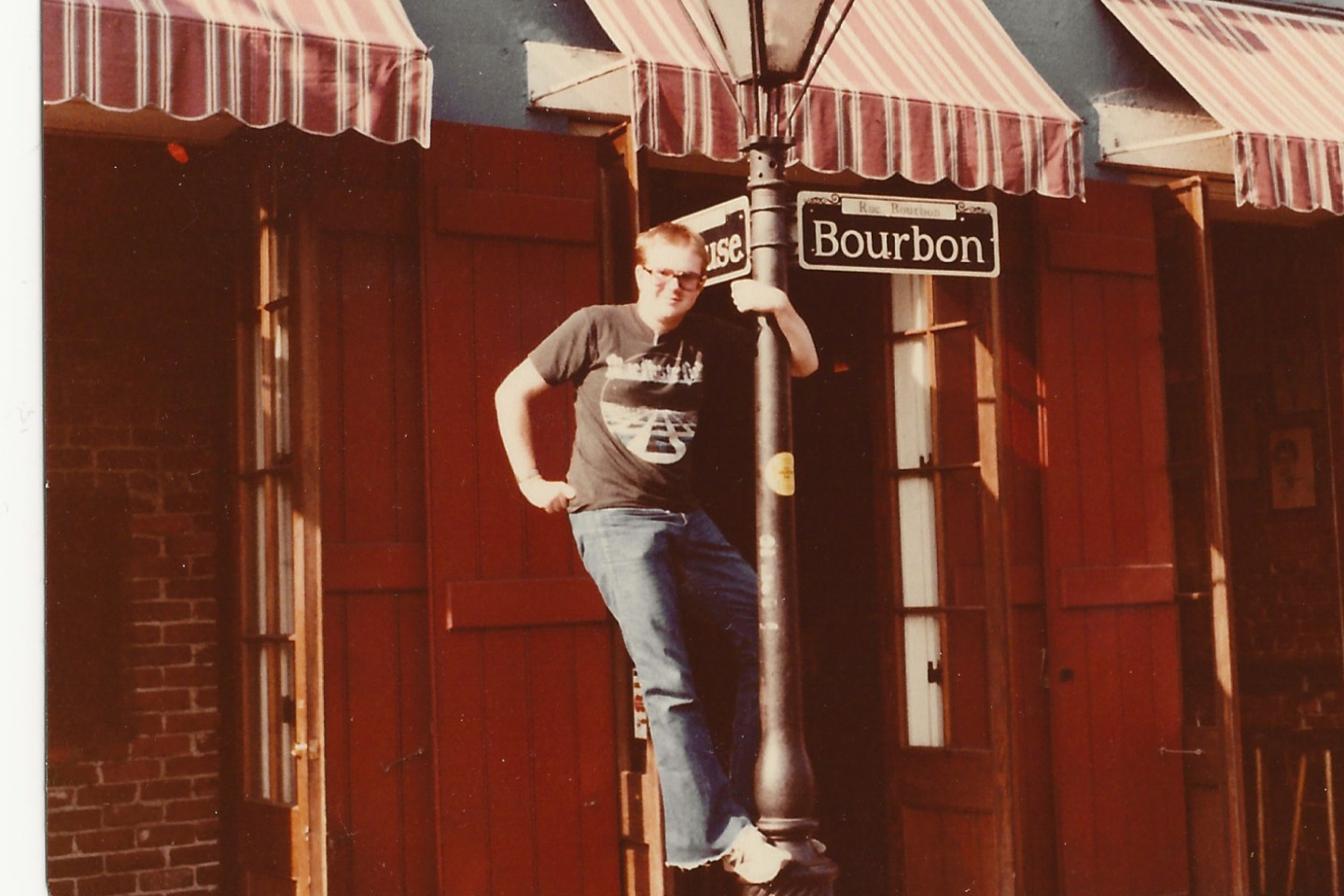
U.S. Air Force • 1982
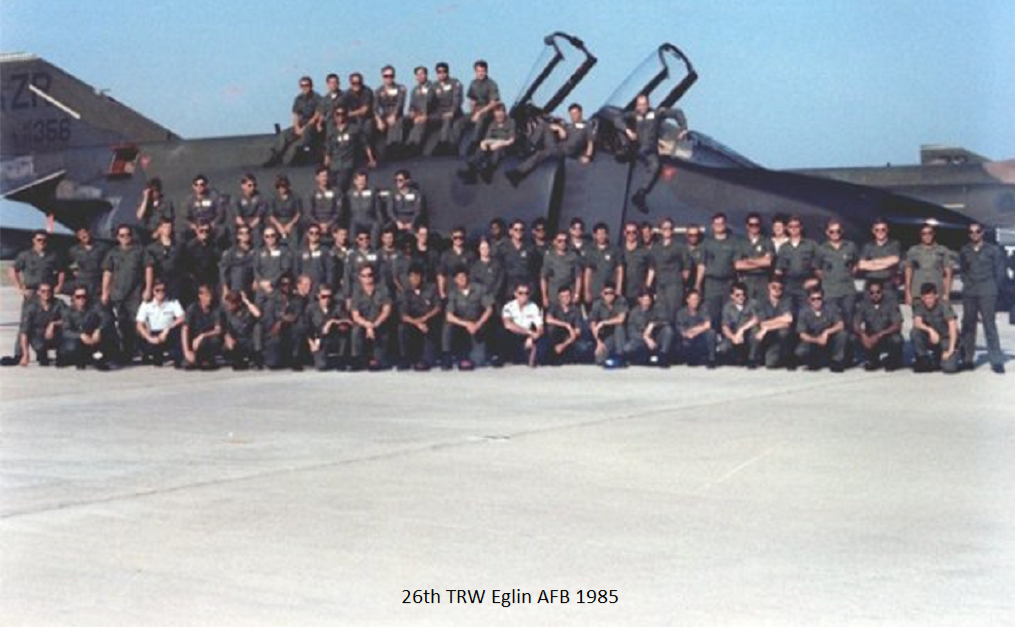
U.S. Air Force • 1985