
Opening branch overview
Building the branch home surface
Loading branch highlights, featured unit context, and gallery moments.
Overview
Members
Units
Building the branch home surface
Loading branch highlights, featured unit context, and gallery moments.
Building the branch units surface
Loading unit filters, rankings, and the branch unit grid.

37 members•1 unit
Relive and share the memories of your service-time with your brothers and sisters in arms today. VetFriends.com can help you reconnect.
Did you proudly serve in the USAF School of Health Care Sciences?
Are you looking for someone who is or was in the USAF School of Health Care Sciences?
Do you have USAF School of Health Care Sciences photos you'd like to share?
Then join a community with your brothers and sisters of the USAF School of Health Care Sciences.
Branch
U.S. Air Force
Members
37
The USAF School of Health Care Sciences was established in the early 20th century to provide advanced medical and health care training for United States Air Force personnel. Originally part of the Medical Field Service School, it became a distinct entity in 1947 with the formation of the U.S. Air Force. The school, located at Brooks Air Force Base, Texas, played a critical role in preparing medical technicians, nurses, and other health care specialists for service in both peacetime and combat operations. Over the decades, it has evolved into a cornerstone of Air Force medical education, merging with other training organizations to form part of today’s Medical Education and Training Campus.
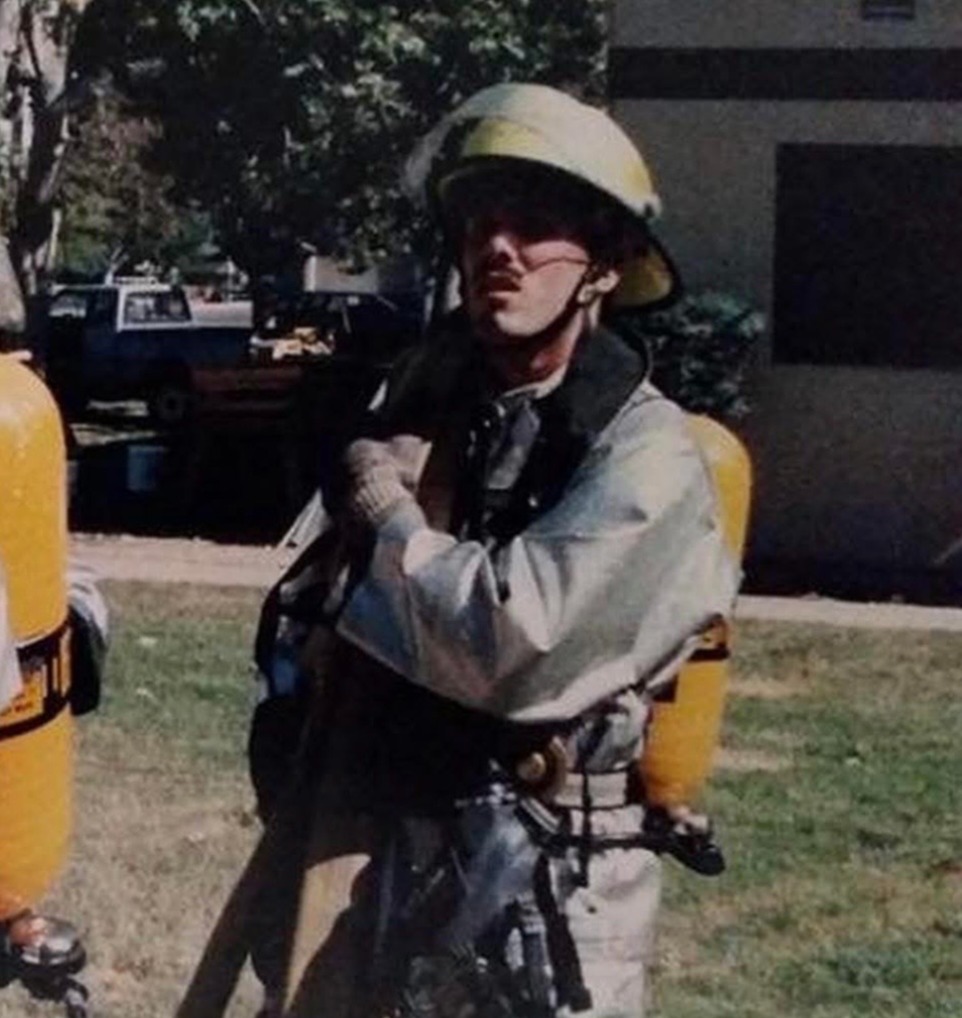
93 CES Crash Fire Rescue • U.S. Air Force • 1991
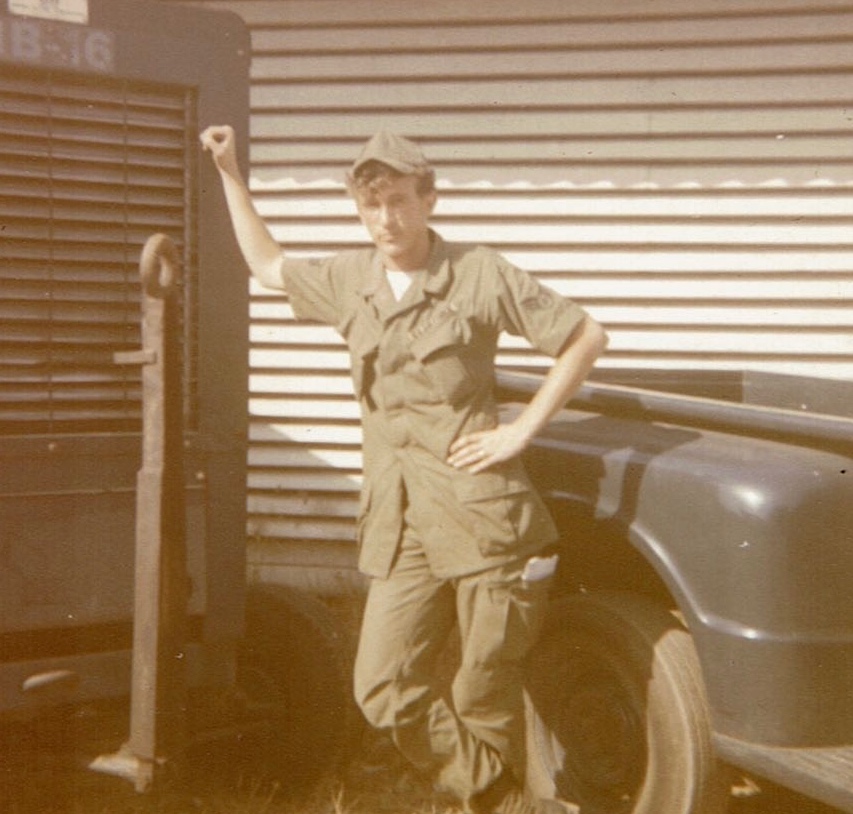
377th CES • U.S. Air Force • 1971
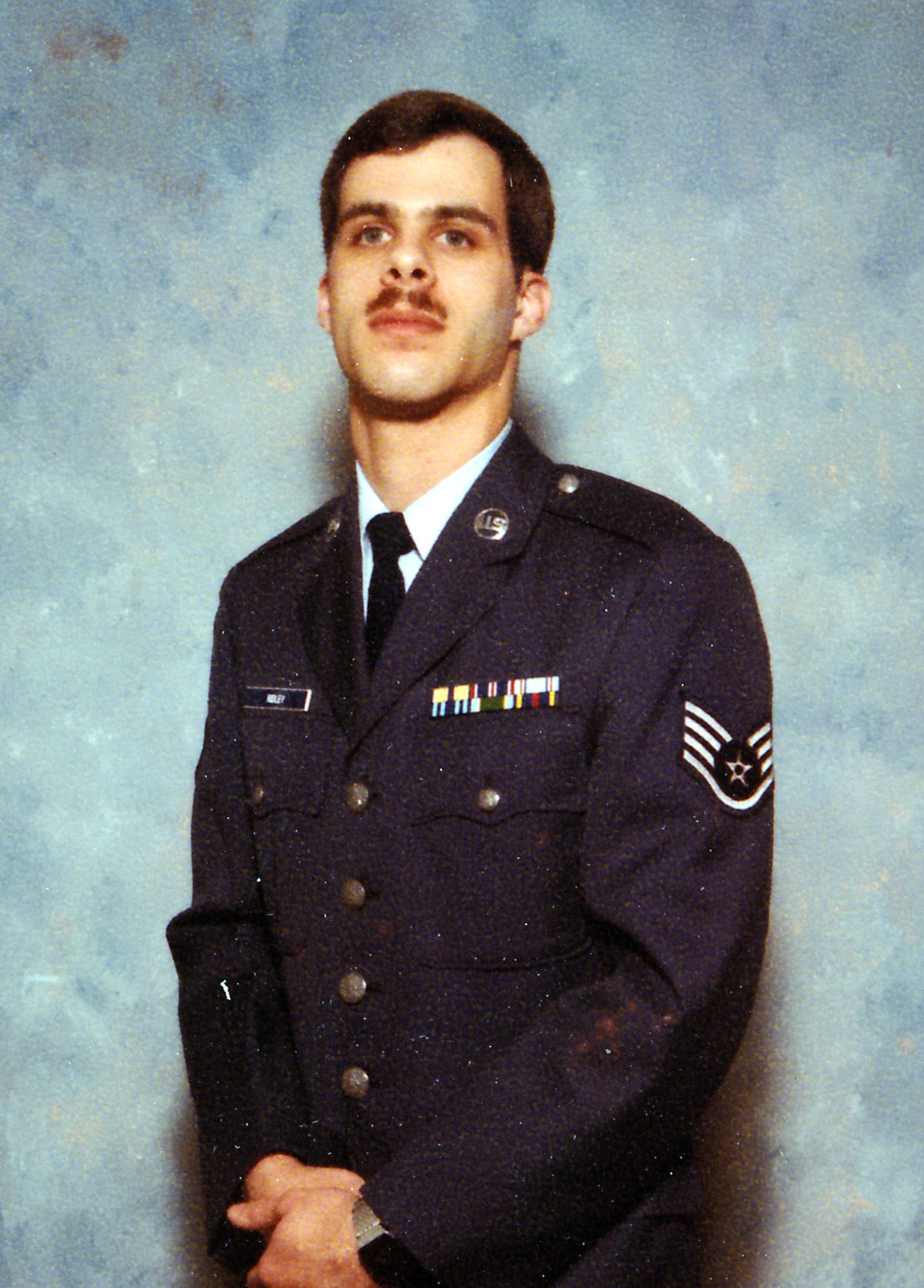
91st CSG • U.S. Air Force
31st Supply Squadron, Homestead AFB • U.S. Air Force • 1980