
Opening branch overview
Building the branch home surface
Loading branch highlights, featured unit context, and gallery moments.
Overview
Members
Units
Building the branch home surface
Loading branch highlights, featured unit context, and gallery moments.
Building the branch units surface
Loading unit filters, rankings, and the branch unit grid.

37 members•1 unit
Relive and share the memories of your service-time with your brothers and sisters in arms today. VetFriends.com can help you reconnect.
Did you proudly serve in the USAF Medical Service school?
Are you looking for someone who is or was in the USAF Medical Service school?
Do you have USAF Medical Service school photos you'd like to share?
Then join a community with your brothers and sisters of the USAF Medical Service school.
Branch
U.S. Air Force
Members
37
The USAF Medical Service School, originally established during World War II, played a pivotal role in training Air Force medical personnel to provide essential healthcare support to airmen. Initially located at Gunter Field, Alabama, the school later moved to Sheppard Air Force Base, Texas, where it evolved into a comprehensive center for medical education and training. Over the decades, the school has adapted to advancements in medical technology, combat medicine, and global health missions, ensuring Air Force medics are prepared for both peacetime and wartime operations. Its graduates have served in every major conflict since its founding, exemplifying the Air Force’s commitment to the health and readiness of its personnel.
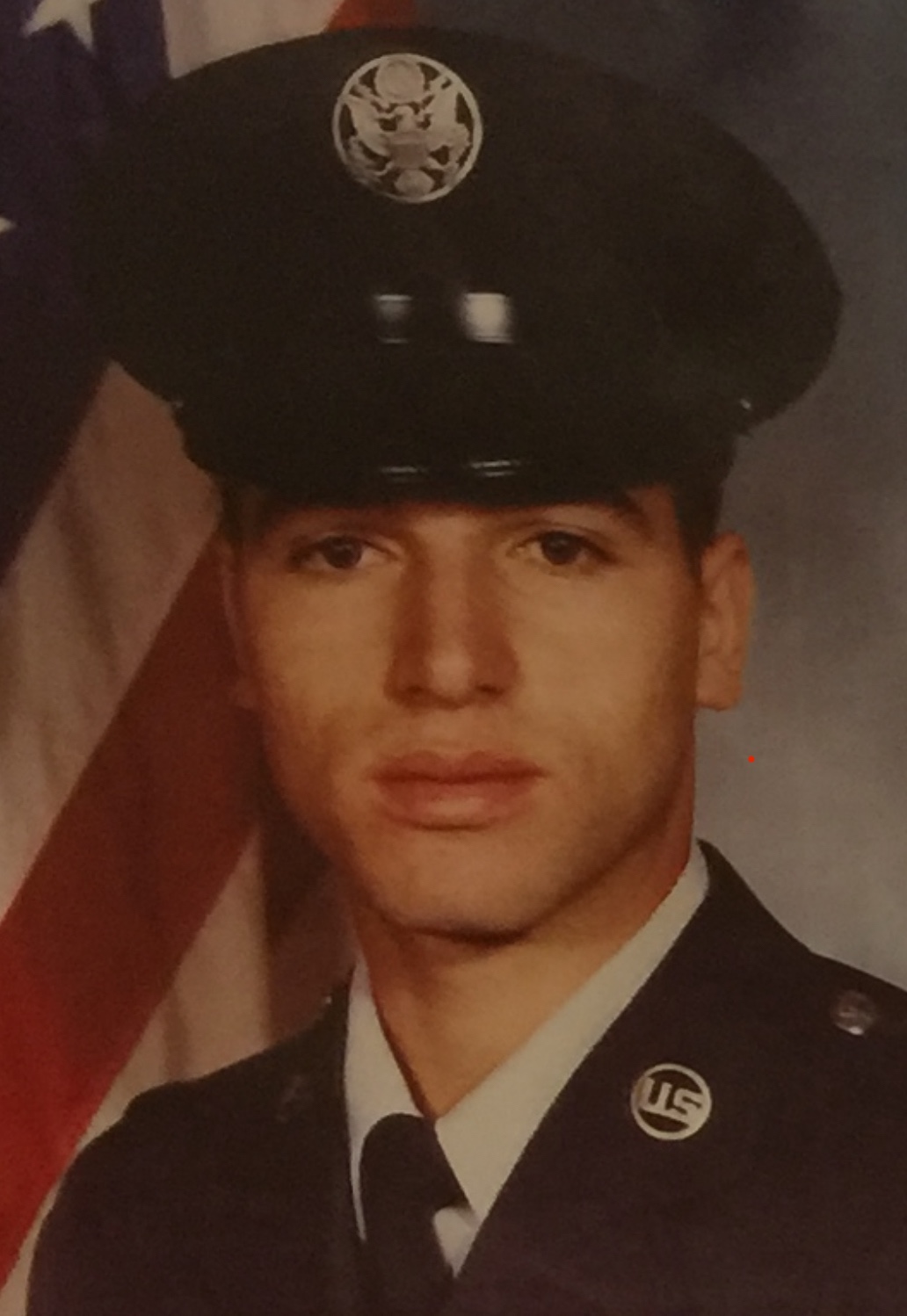
2153 • U.S. Air Force • 1981
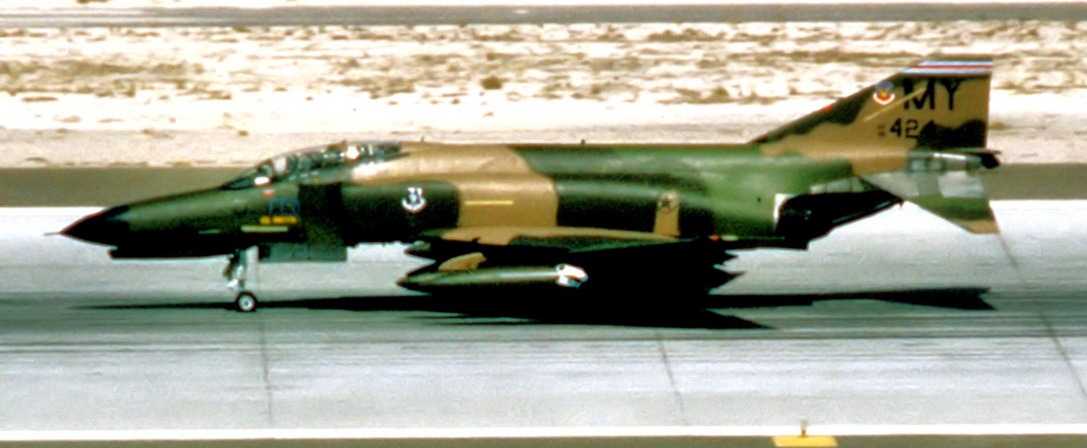
68th AGS • U.S. Air Force • 1976
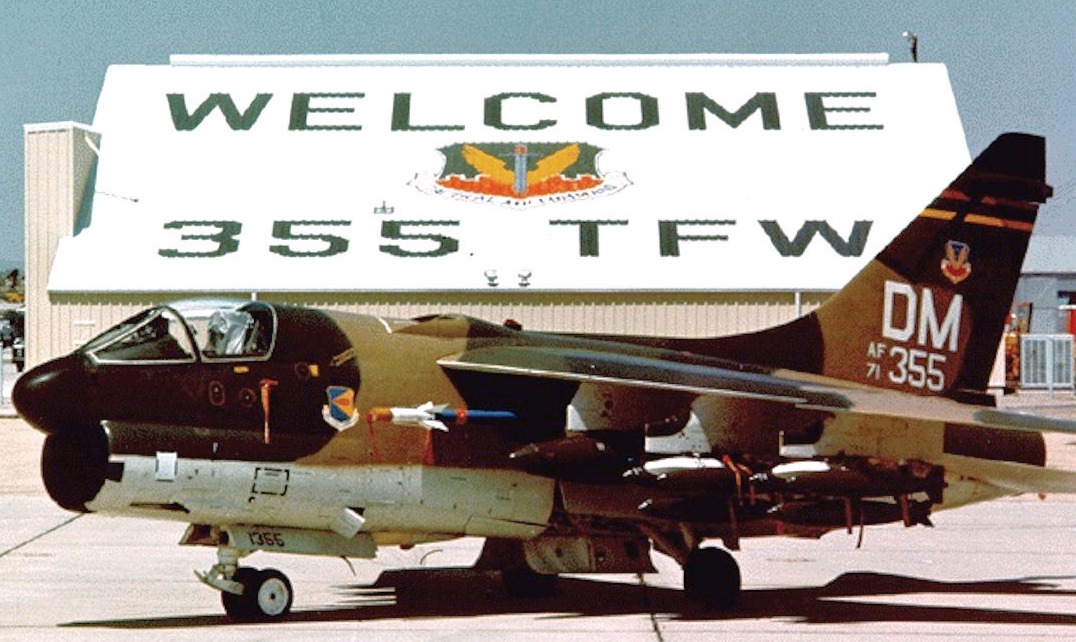
355th AMS • U.S. Air Force • 1974
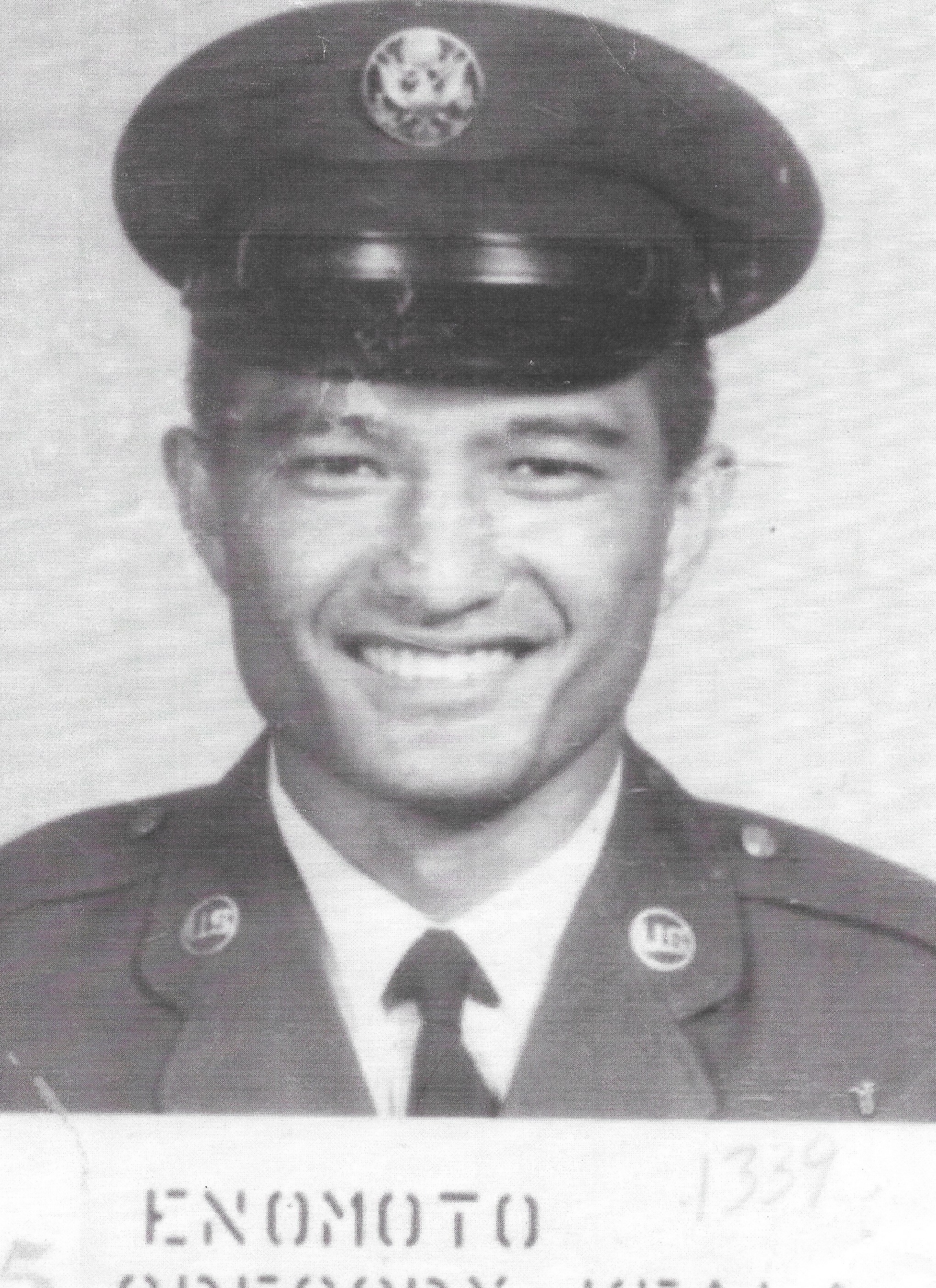
Flight 1354 • U.S. Air Force • 1973