
Opening branch overview
Building the branch home surface
Loading branch highlights, featured unit context, and gallery moments.
Overview
Members
Units
Building the branch home surface
Loading branch highlights, featured unit context, and gallery moments.
Building the branch units surface
Loading unit filters, rankings, and the branch unit grid.

38 members•1 unit
Relive and share the memories of your service-time with your brothers and sisters in arms today. VetFriends.com can help you reconnect.
Did you proudly serve in the USAF hospitals in USA & Greenland?
Are you looking for someone who is or was in the USAF hospitals in USA & Greenland?
Do you have USAF hospitals in USA & Greenland photos you'd like to share?
Then join a community with your brothers and sisters of the USAF hospitals in USA & Greenland.
Branch
U.S. Air Force
Members
38
USAF hospitals in the USA and Greenland have played a pivotal role in supporting the United States Air Force’s medical mission since the mid-20th century. In the continental United States, Air Force hospitals have provided comprehensive care for service members, their families, and veterans, while also serving as centers for medical training and innovation. During the Cold War, USAF hospitals in Greenland, notably at Thule Air Base, were critical in sustaining personnel stationed at one of the most remote and strategically significant outposts of the U.S. military. These facilities have adapted over the decades to meet changing operational needs, ensuring the health and readiness of Air Force personnel in both peacetime and conflict.
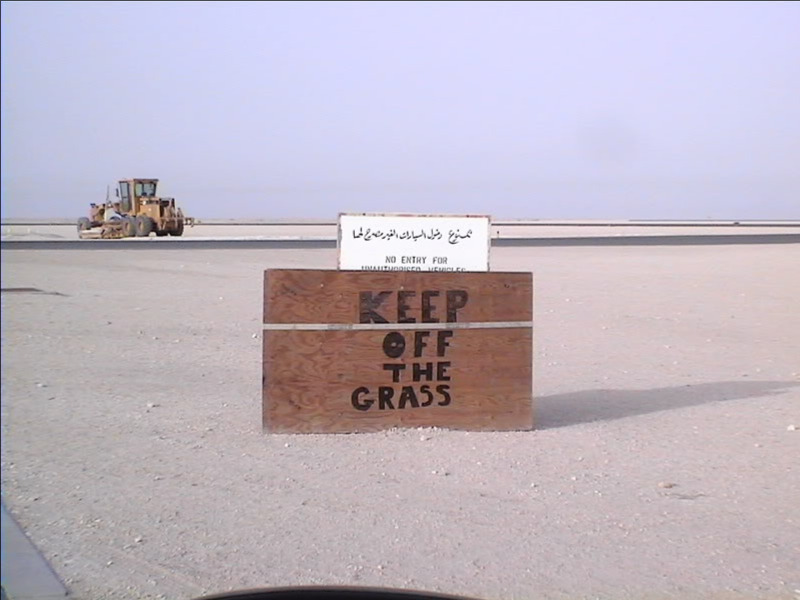
U.S. Air Force • 2004
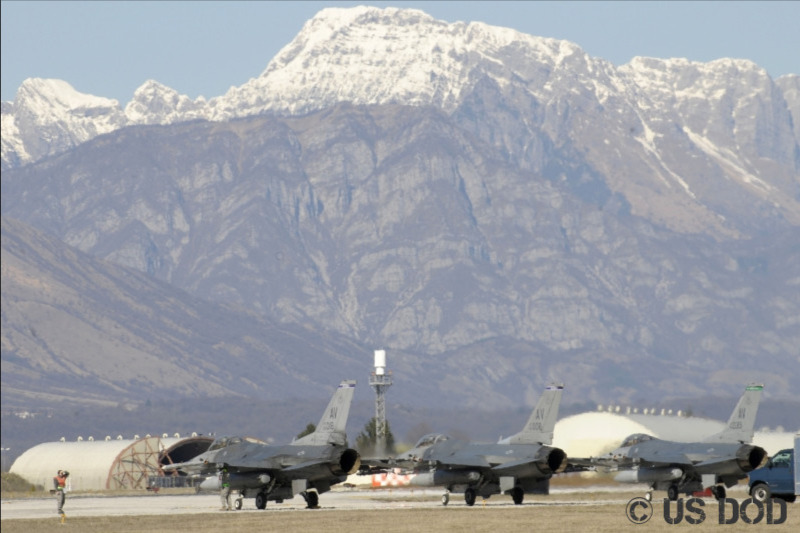
31 MXS • U.S. Air Force
U.S. Air Force • 1982
U.S. Air Force • 2001