
Opening branch overview
Building the branch home surface
Loading branch highlights, featured unit context, and gallery moments.
Overview
Members
Units
Building the branch home surface
Loading branch highlights, featured unit context, and gallery moments.
Building the branch units surface
Loading unit filters, rankings, and the branch unit grid.

U.S. Air Force•26 members
Relive and share the memories of your service-time with your brothers and sisters in arms today. VetFriends.com can help you reconnect.
Did you proudly serve in the USAF Hospital?
Are you looking for someone who is or was in the USAF Hospital?
Do you have USAF Hospital photos you'd like to share?
Then join a community with your brothers and sisters of the USAF Hospital.
The USAF Hospital traces its origins to the establishment of dedicated medical units within the U.S. Army Air Forces during World War II, created to provide specialized care for airmen. With the founding of the United States Air Force as a separate branch in 1947, these medical facilities were reorganized and officially designated as USAF Hospitals, supporting both peacetime operations and combat missions worldwide. Over the decades, USAF Hospitals have played a critical role in advancing aerospace medicine, rapid trauma care, and global humanitarian response. Today, they continue to provide comprehensive medical services to Air Force personnel, their families, and veterans, upholding a proud tradition of excellence and innovation.
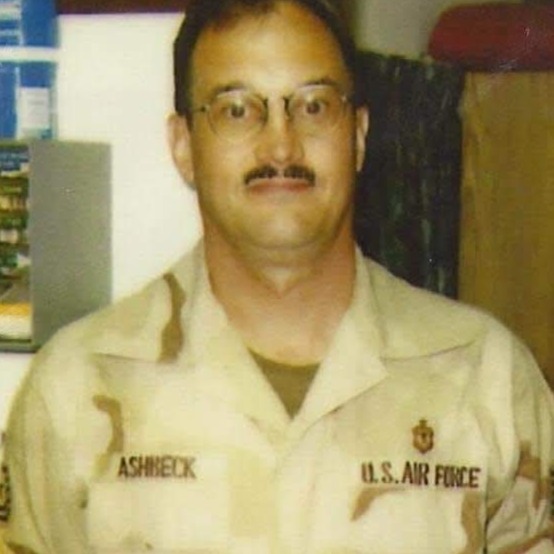
88th Medical Group, USAF Hospital, • U.S. Air Force