
Opening branch overview
Building the branch home surface
Loading branch highlights, featured unit context, and gallery moments.
Overview
Members
Units
Building the branch home surface
Loading branch highlights, featured unit context, and gallery moments.
Building the branch units surface
Loading unit filters, rankings, and the branch unit grid.

37 members•1 unit
Relive and share the memories of your service-time with your brothers and sisters in arms today. VetFriends.com can help you reconnect.
Did you proudly serve in the USAF Clinic Shemya AFB, Alaska?
Are you looking for someone who is or was in the USAF Clinic Shemya AFB, Alaska?
Do you have USAF Clinic Shemya AFB, Alaska photos you'd like to share?
Then join a community with your brothers and sisters of the USAF Clinic Shemya AFB, Alaska.
Branch
U.S. Air Force
Members
37
The USAF Clinic at Shemya Air Force Base, Alaska, was established to provide medical care and support to personnel stationed at this remote and strategically significant location in the Aleutian Islands. The clinic played a vital role during the Cold War, supporting operations related to intelligence gathering, radar surveillance, and early warning systems critical to continental defense. Its staff ensured the health and readiness of both Air Force and civilian personnel under challenging weather and logistical conditions. The clinic continued its mission until the base's closure in the late 1990s, reflecting the evolving needs of the U.S. military in the region.
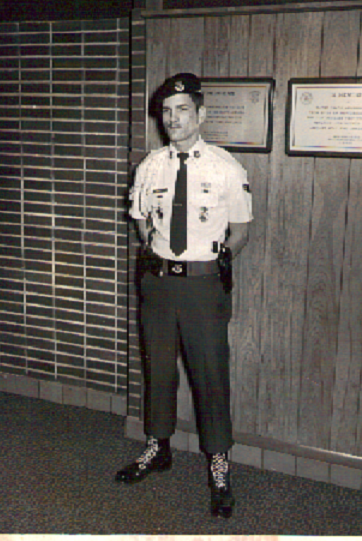
6960th • U.S. Air Force • 1982
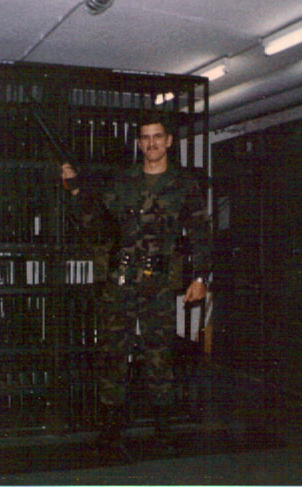
6913th • U.S. Air Force • 1983
6960th • U.S. Air Force • 1981
661st Air Force Band ( AFLC ) • U.S. Air Force • 1972