
Opening branch overview
Building the branch home surface
Loading branch highlights, featured unit context, and gallery moments.
Overview
Members
Units
Building the branch home surface
Loading branch highlights, featured unit context, and gallery moments.
Building the branch units surface
Loading unit filters, rankings, and the branch unit grid.

2 members•1 unit
Relive and share the memories of your service-time with your brothers and sisters in arms today. VetFriends.com can help you reconnect.
Did you proudly serve in the Unified Command Intelligence?
Are you looking for someone who is or was in the Unified Command Intelligence?
Do you have Unified Command Intelligence photos you'd like to share?
Then join a community with your brothers and sisters of the Unified Command Intelligence.
Branch
U.S. Air Force
Members
2
**Unified Command Intelligence (UCI)** was established in 1998 as a joint military intelligence unit, designed to enhance inter-service information sharing and operational coordination. Formed in response to the intelligence challenges identified during multinational operations in the 1990s, UCI integrates analysts and resources from the Army, Navy, Air Force, and Marine Corps. Since its inception, the unit has supported major operations including counterterrorism campaigns and humanitarian missions, providing timely and actionable intelligence to unified combatant commands. UCI has been recognized for pioneering advancements in intelligence fusion and for fostering seamless collaboration across the Department of Defense’s intelligence community.

1370th Photo Mapping Wing • U.S. Air Force • 2021

375 SVS • U.S. Air Force • 2026

375 SVS • U.S. Air Force • 2026
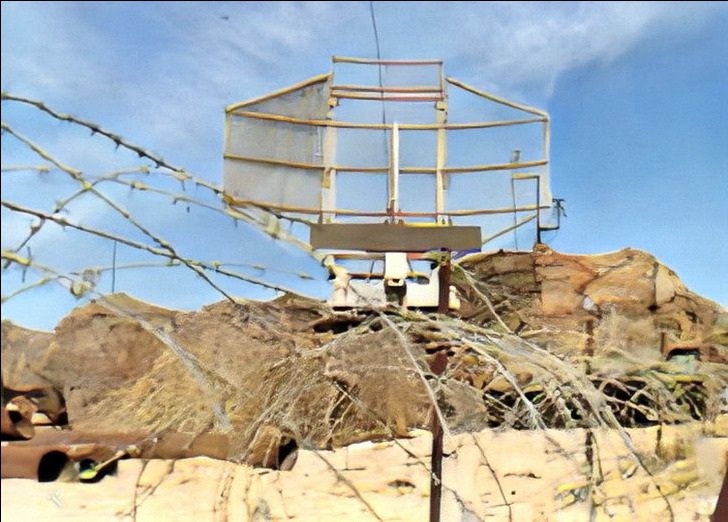
83RD TACTICAL CONTROL FLIGHT • U.S. Air Force