
Opening branch overview
Building the branch home surface
Loading branch highlights, featured unit context, and gallery moments.
Overview
Members
Units
Building the branch home surface
Loading branch highlights, featured unit context, and gallery moments.
Building the branch units surface
Loading unit filters, rankings, and the branch unit grid.

U.S. Air Force•85 members
Relive and share the memories of your service-time with your brothers and sisters in arms today. VetFriends.com can help you reconnect.
Did you proudly serve in the Travis AFB?
Are you looking for someone who is or was in the Travis AFB?
Do you have Travis AFB photos you'd like to share?
Then join a community with your brothers and sisters of the Travis AFB.
Travis Air Force Base (AFB), located in Fairfield, California, was established in 1942 as Fairfield-Suisun Army Air Base and was later renamed in honor of Brigadier General Robert F. Travis. Originally serving as a major hub for bomber training during World War II, the base shifted focus to become a critical airlift and logistics center during the Cold War and beyond. Home to the 60th Air Mobility Wing, Travis AFB is often referred to as the "Gateway to the Pacific" due to its pivotal role in transporting personnel, cargo, and humanitarian aid across the globe. Throughout its history, units at Travis AFB have supported numerous military operations and disaster relief missions, ensuring rapid global mobility for the United States Air Force.
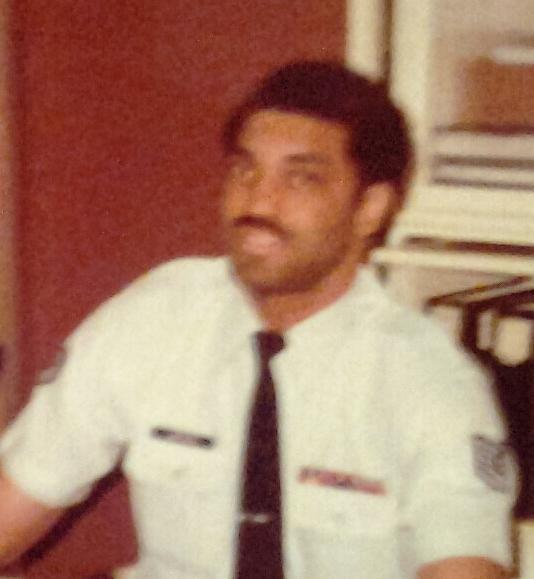
U.S. Air Force
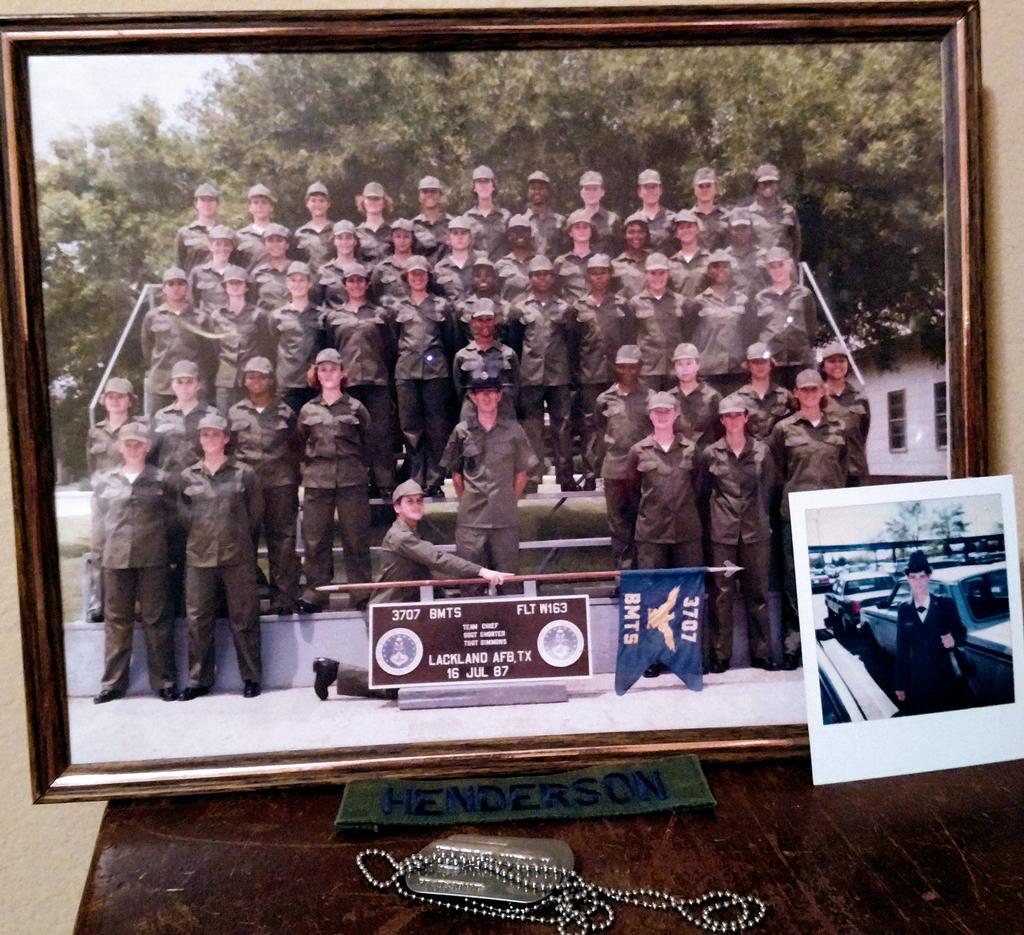
U.S. Air Force