
Opening branch overview
Building the branch home surface
Loading branch highlights, featured unit context, and gallery moments.
Overview
Members
Units
Building the branch home surface
Loading branch highlights, featured unit context, and gallery moments.
Building the branch units surface
Loading unit filters, rankings, and the branch unit grid.

4 members•1 unit
Relive and share the memories of your service-time with your brothers and sisters in arms today. VetFriends.com can help you reconnect.
Did you proudly serve in the Transportation Aircraft Test & Support Activity?
Are you looking for someone who is or was in the Transportation Aircraft Test & Support Activity?
Do you have Transportation Aircraft Test & Support Activity photos you'd like to share?
Then join a community with your brothers and sisters of the Transportation Aircraft Test & Support Activity.
Branch
U.S. Air Force
Members
4
The Transportation Aircraft Test & Support Activity (TATSA) was established to provide specialized testing, evaluation, and logistical support for transportation and cargo aircraft within the military. Originating in the mid-20th century, the unit played a crucial role in assessing the performance, reliability, and safety of various airlift platforms, including both fixed-wing and rotary-wing aircraft. TATSA’s mission expanded during major conflicts, supporting rapid deployment and sustainment operations by ensuring aircraft readiness and integrating new technologies. Over the years, the unit has contributed significantly to the modernization of military air transport capabilities and remains a vital part of the military’s aviation support infrastructure.
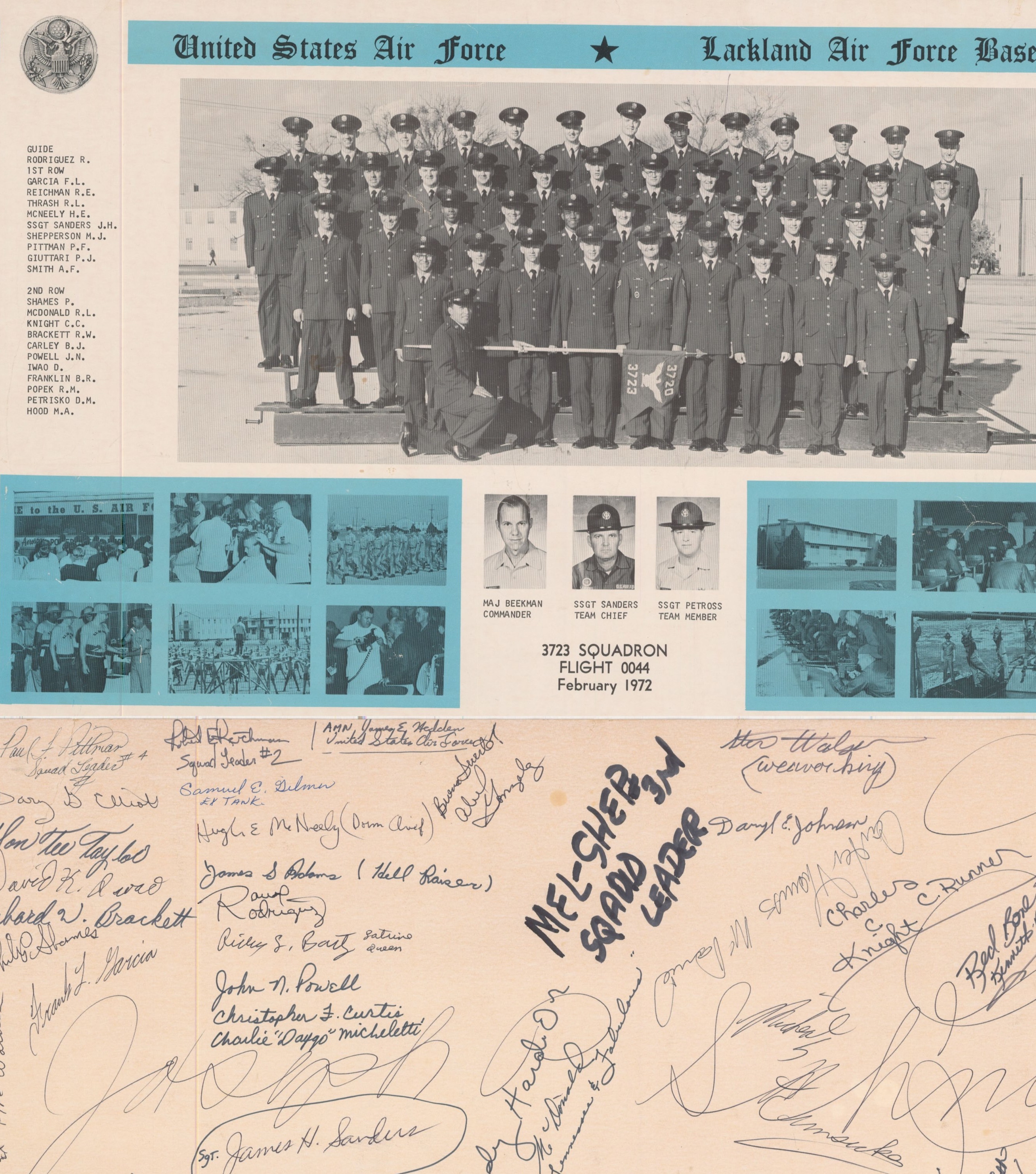
3723 Squadron/Flight 0044 • U.S. Air Force • 1972

U.S. Air Force
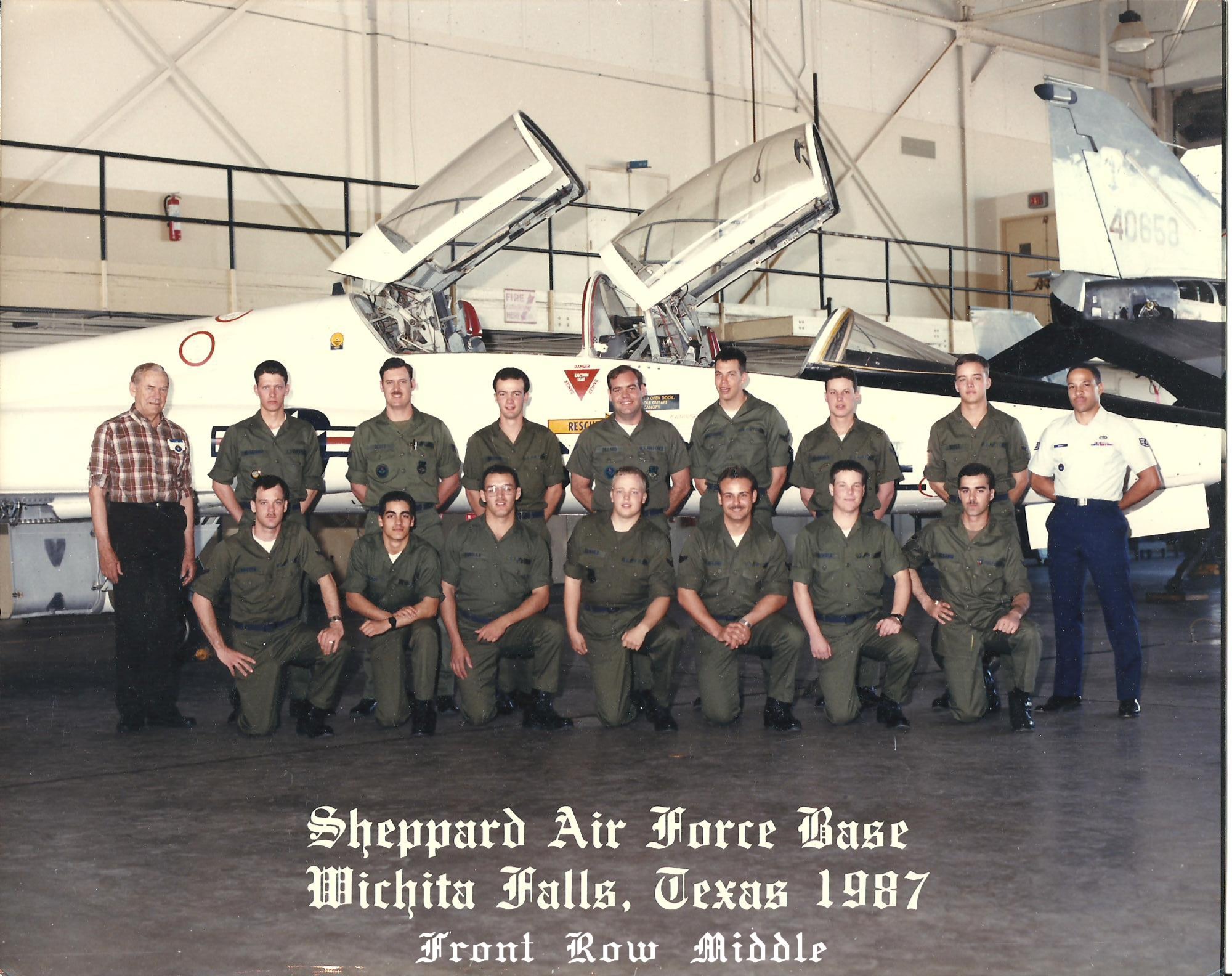
U.S. Air Force • 1987
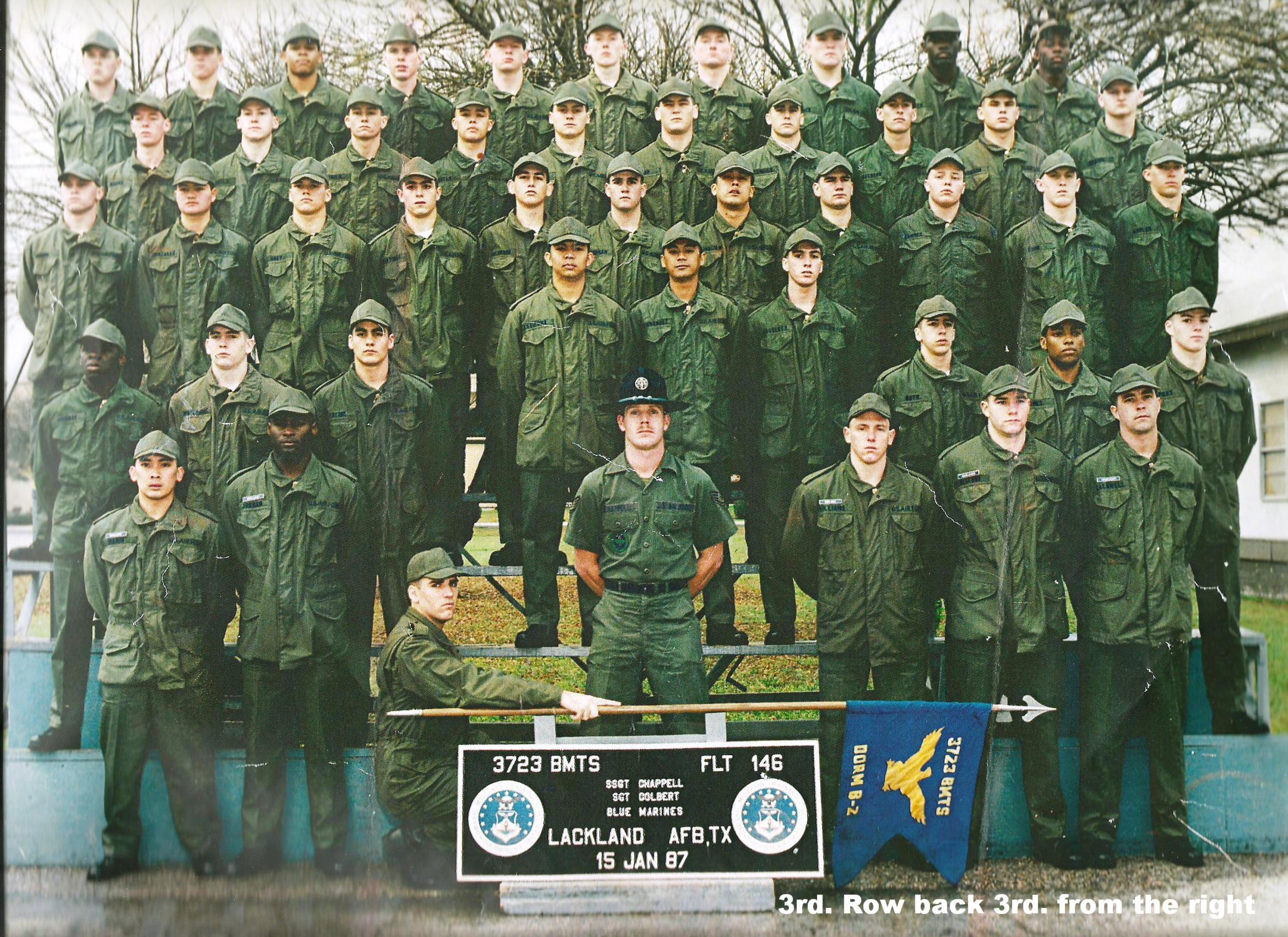
U.S. Air Force • 1987