
Opening branch overview
Building the branch home surface
Loading branch highlights, featured unit context, and gallery moments.
Overview
Members
Units
Building the branch home surface
Loading branch highlights, featured unit context, and gallery moments.
Building the branch units surface
Loading unit filters, rankings, and the branch unit grid.

U.S. Air Force•25 members
Relive and share the memories of your service-time with your brothers and sisters in arms today. VetFriends.com can help you reconnect.
Did you proudly serve in the Space Command?
Are you looking for someone who is or was in the Space Command?
Do you have Space Command photos you'd like to share?
Then join a community with your brothers and sisters of the Space Command.
Space Command, originally established as United States Space Command (USSPACECOM) in 1985, was created to coordinate the nation's military space operations and ensure dominance in the increasingly critical domain of space. The command oversaw missile warning, satellite operations, and space control functions, integrating efforts across the Air Force, Army, and Navy. In 2002, USSPACECOM was inactivated and its responsibilities were absorbed by U.S. Strategic Command. However, recognizing the growing importance of space in modern warfare, it was reestablished as a unified combatant command in 2019, tasked with deterring aggression and defending U.S. and allied interests in space.
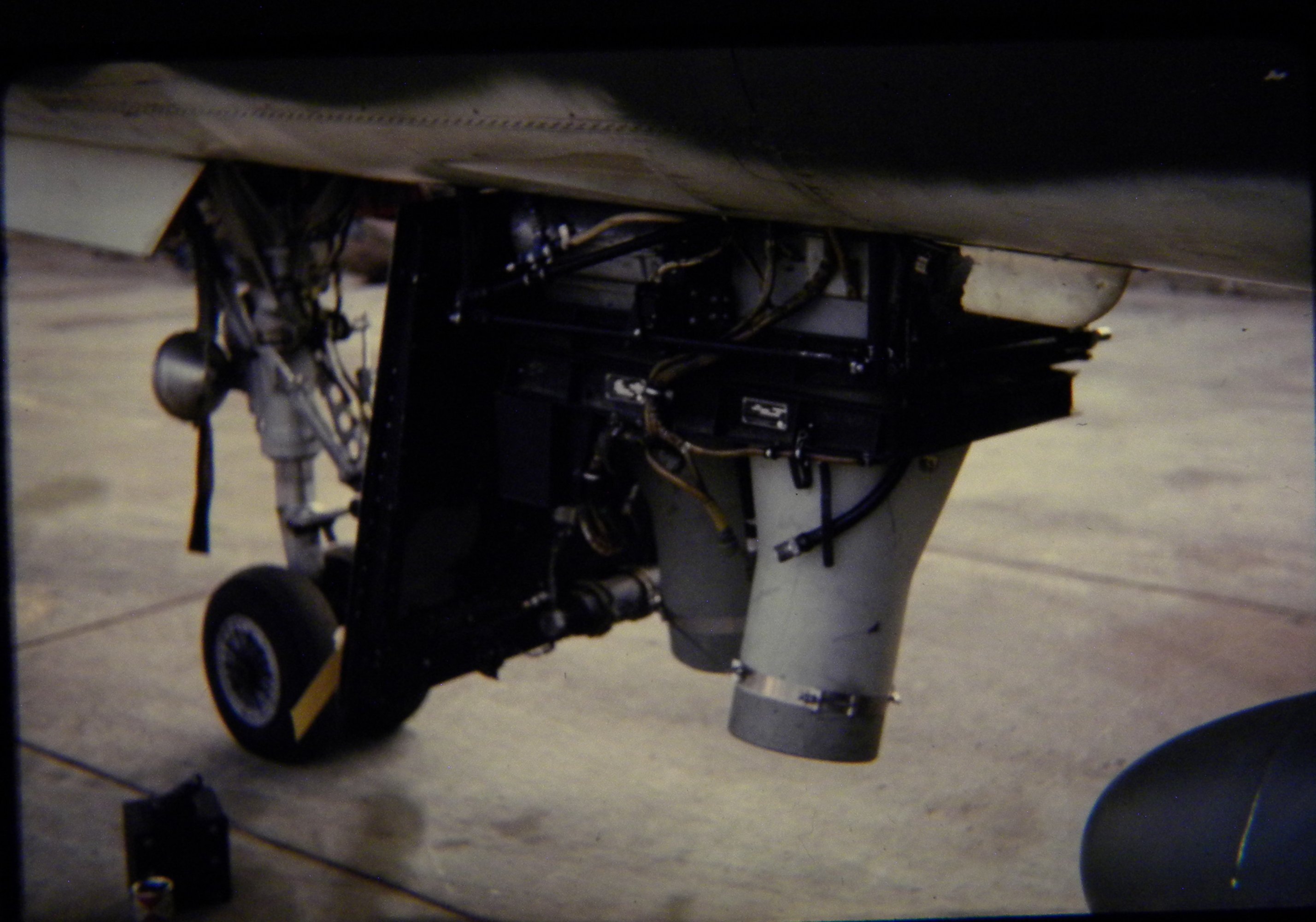
460th TAC Recon Wing • U.S. Air Force • 1968
U.S. Air Force • 1967
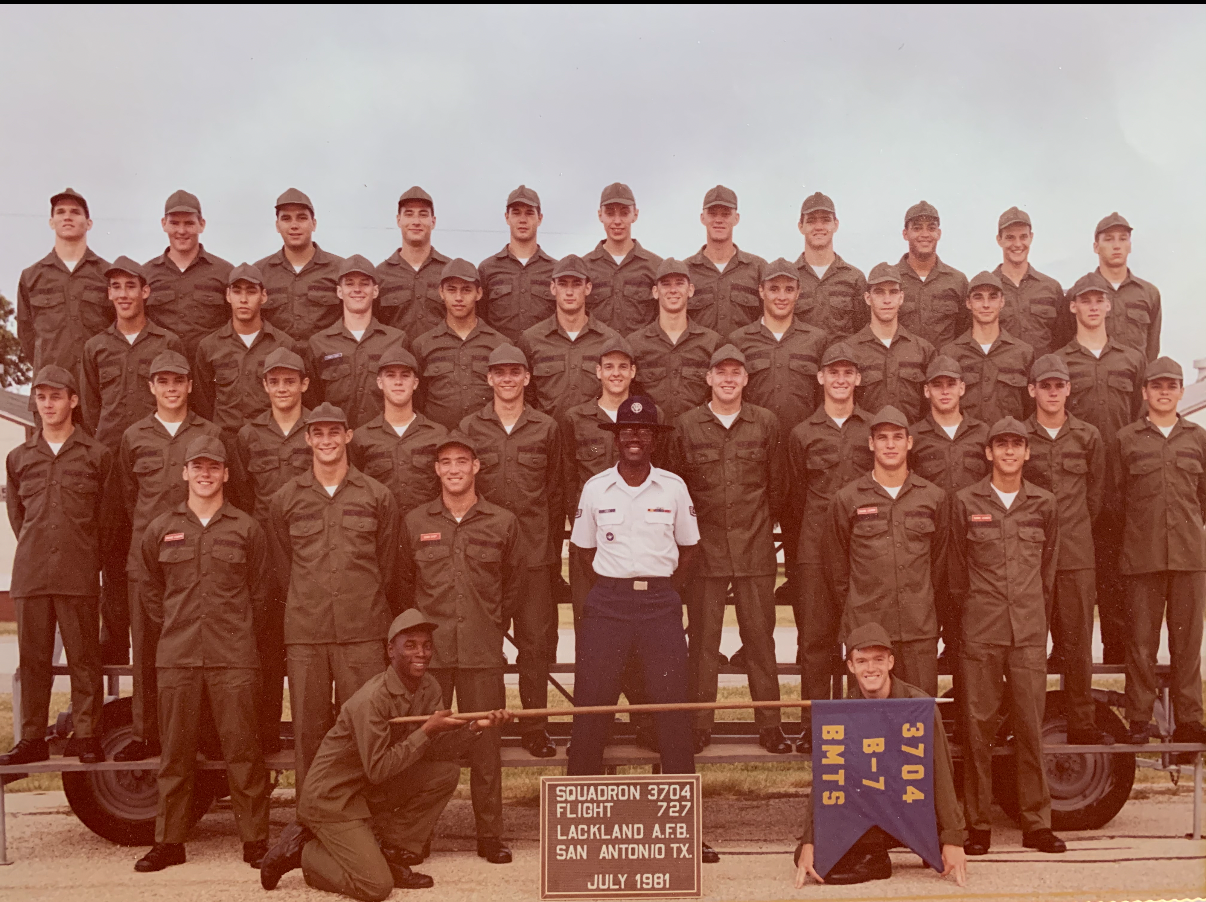
3704 BMTS • U.S. Air Force • 1981
U.S. Air Force