
Opening branch overview
Building the branch home surface
Loading branch highlights, featured unit context, and gallery moments.
Overview
Members
Units
Building the branch home surface
Loading branch highlights, featured unit context, and gallery moments.
Building the branch units surface
Loading unit filters, rankings, and the branch unit grid.

29 members•1 unit
Relive and share the memories of your service-time with your brothers and sisters in arms today. VetFriends.com can help you reconnect.
Did you proudly serve in the Search and Rescue?
Are you looking for someone who is or was in the Search and Rescue?
Do you have Search and Rescue photos you'd like to share?
Then join a community with your brothers and sisters of the Search and Rescue.
Branch
U.S. Air Force
Members
29
Search and Rescue (SAR) units have played a vital role in military operations since World War II, when dedicated teams were first established to recover downed airmen behind enemy lines. Over the decades, SAR capabilities expanded to include specialized aircraft, helicopters, and trained personnel able to operate in diverse environments such as sea, mountains, and combat zones. During the Korean and Vietnam Wars, SAR missions became increasingly sophisticated, employing tactics like Combat Search and Rescue (CSAR) to extract personnel under fire. Today, military SAR units remain essential for saving lives, providing humanitarian assistance, and supporting both peacetime and wartime operations around the globe.

U.S. Air Force
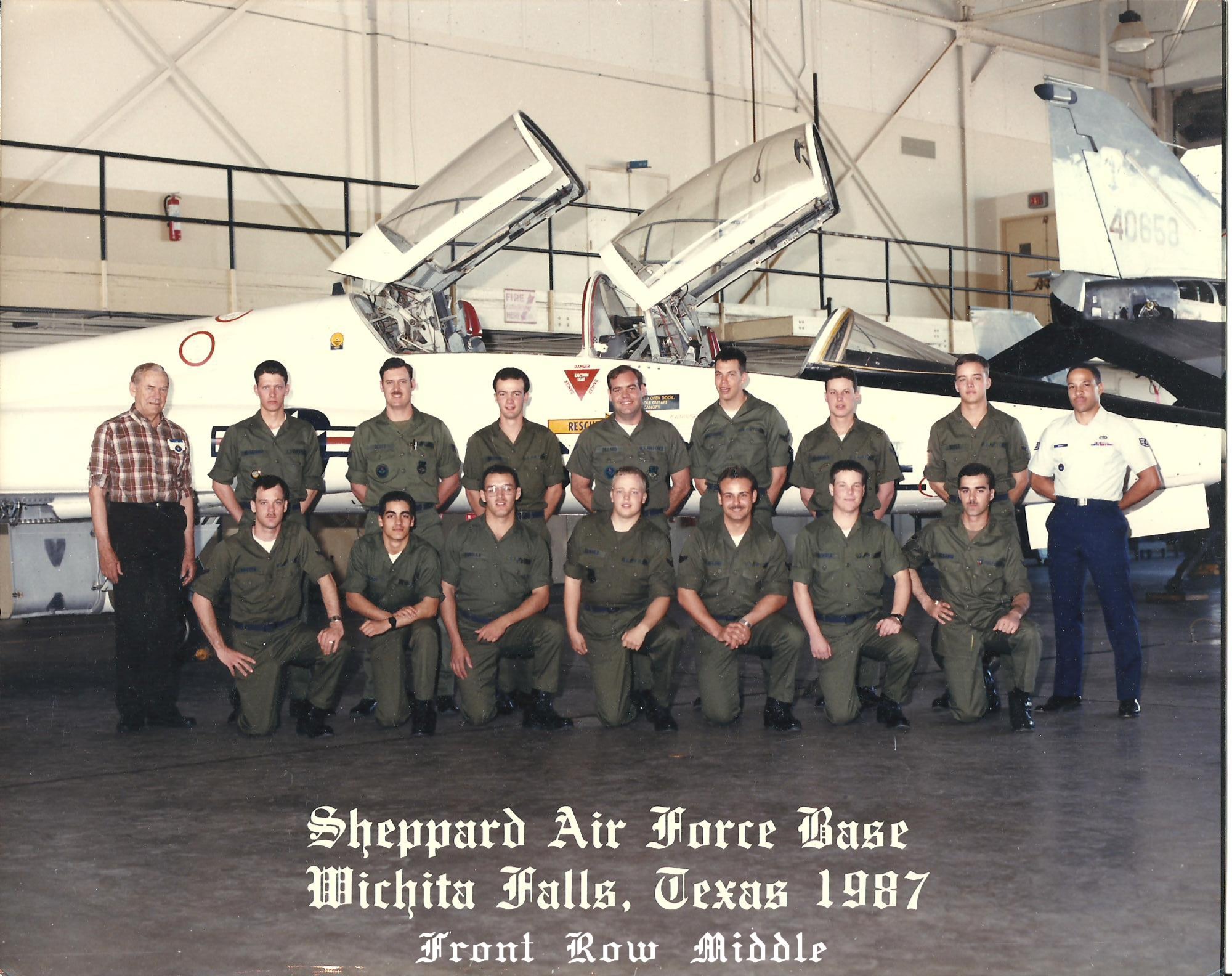
U.S. Air Force • 1987
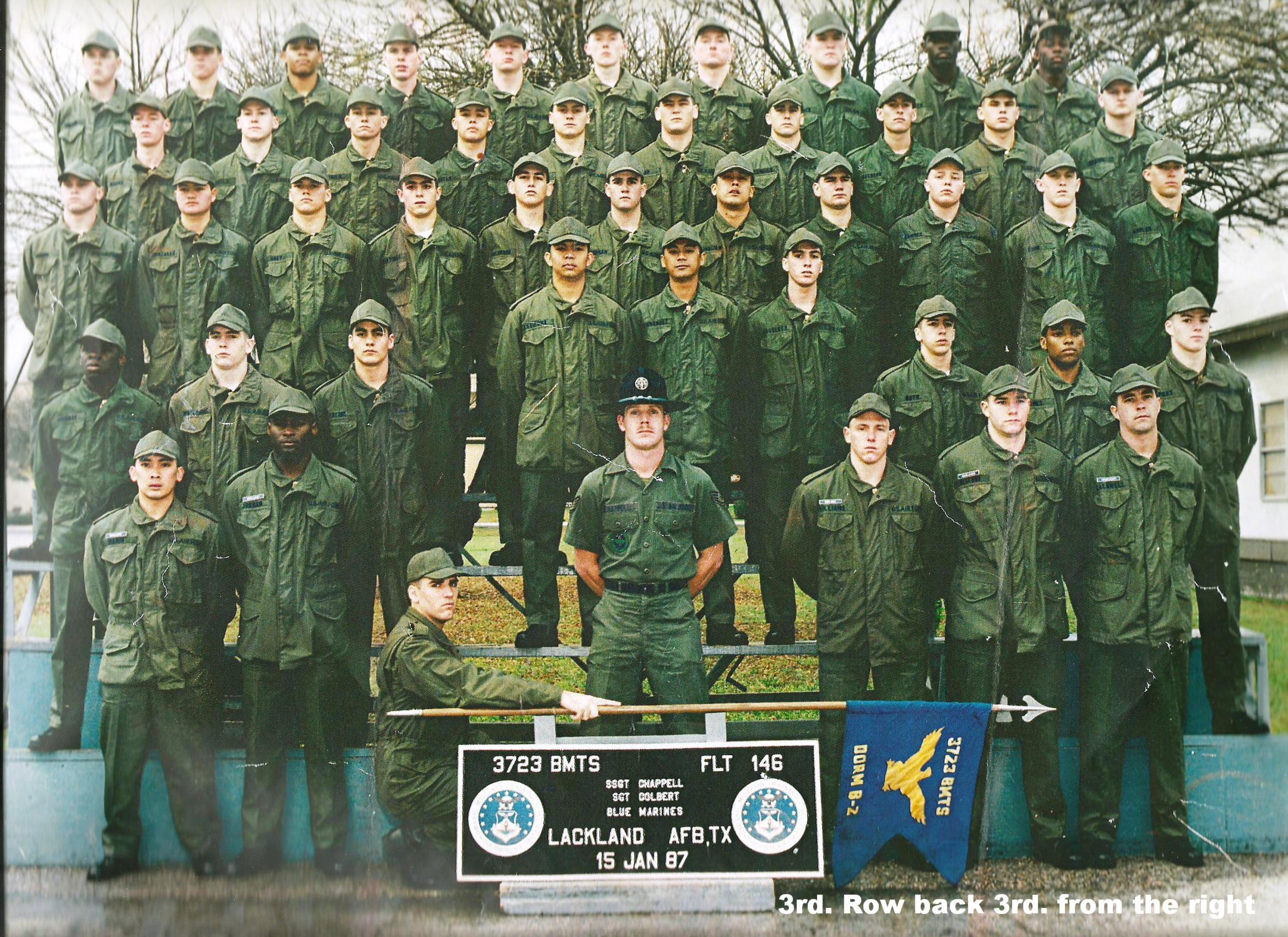
U.S. Air Force • 1987
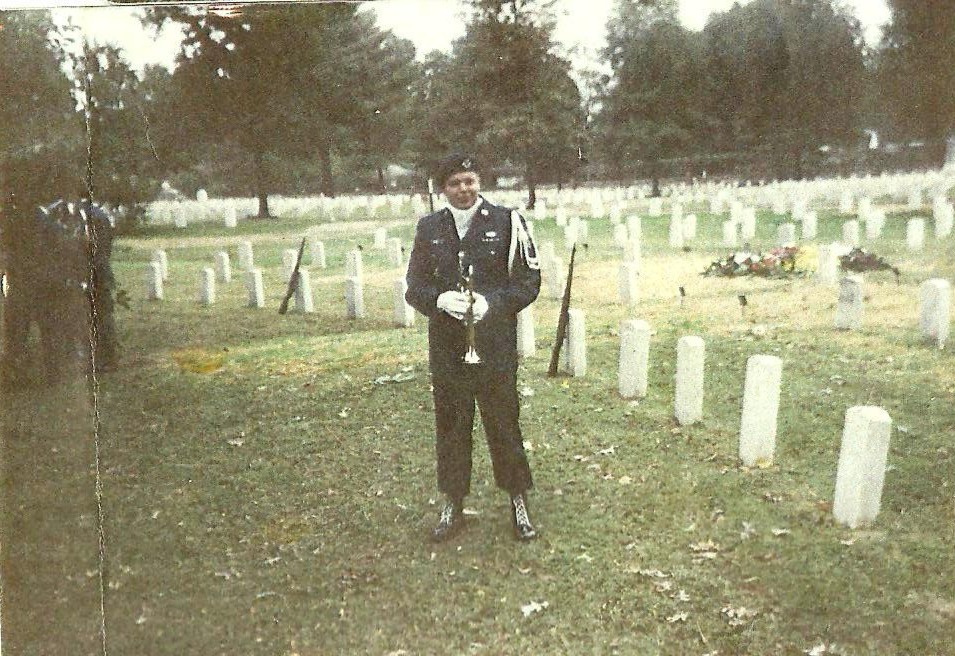
97th. Bom wing • U.S. Air Force • 1988