
Opening branch overview
Building the branch home surface
Loading branch highlights, featured unit context, and gallery moments.
Overview
Members
Units
Building the branch home surface
Loading branch highlights, featured unit context, and gallery moments.
Building the branch units surface
Loading unit filters, rankings, and the branch unit grid.

37 members•1 unit
Relive and share the memories of your service-time with your brothers and sisters in arms today. VetFriends.com can help you reconnect.
Did you proudly serve in the San Francisco Air Defense Sector (SFADS)?
Are you looking for someone who is or was in the San Francisco Air Defense Sector (SFADS)?
Do you have San Francisco Air Defense Sector (SFADS) photos you'd like to share?
Then join a community with your brothers and sisters of the San Francisco Air Defense Sector (SFADS).
Branch
U.S. Air Force
Members
37
The San Francisco Air Defense Sector (SFADS) was an integral part of the United States Air Force Air Defense Command, established in 1959 to provide air defense for Northern California and parts of Nevada. Headquartered at Beale Air Force Base, SFADS operated advanced radar sites and interceptor aircraft to detect and respond to potential Soviet bomber threats during the Cold War. The sector coordinated with the Semi-Automatic Ground Environment (SAGE) system, enhancing rapid response capabilities through real-time data processing and communication. SFADS was inactivated in 1963 as part of a broader reorganization and consolidation of air defense units across the country.
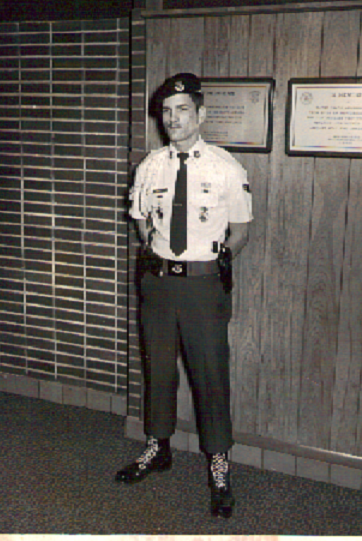
6960th • U.S. Air Force • 1982
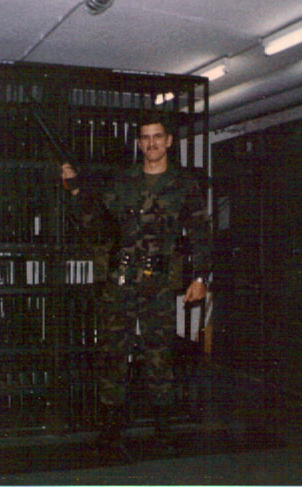
6913th • U.S. Air Force • 1983
6960th • U.S. Air Force • 1981
661st Air Force Band ( AFLC ) • U.S. Air Force • 1972