
Opening branch overview
Building the branch home surface
Loading branch highlights, featured unit context, and gallery moments.
Overview
Members
Units
Building the branch home surface
Loading branch highlights, featured unit context, and gallery moments.
Building the branch units surface
Loading unit filters, rankings, and the branch unit grid.

35 members•1 unit
Relive and share the memories of your service-time with your brothers and sisters in arms today. VetFriends.com can help you reconnect.
Did you proudly serve in the SAC HQ?
Are you looking for someone who is or was in the SAC HQ?
Do you have SAC HQ photos you'd like to share?
Then join a community with your brothers and sisters of the SAC HQ.
Branch
U.S. Air Force
Members
35
**Strategic Air Command Headquarters (SAC HQ) Military History:** The Strategic Air Command Headquarters (SAC HQ) was established in 1946 at Offutt Air Force Base, Nebraska, serving as the command center for the United States Air Force’s strategic bomber and intercontinental ballistic missile (ICBM) forces during the Cold War. SAC HQ played a pivotal role in the nation’s nuclear deterrence strategy, overseeing the operations, training, and readiness of long-range bombers and missile units capable of delivering nuclear weapons worldwide. Throughout its existence, SAC HQ coordinated numerous alert postures, exercises, and responses to international crises, ensuring rapid response capability against potential adversaries. In 1992, with the end of the Cold War and the restructuring of U.S. defense priorities, SAC HQ was inactivated and its responsibilities were assumed by the newly formed United States Strategic Command (USSTRATCOM).
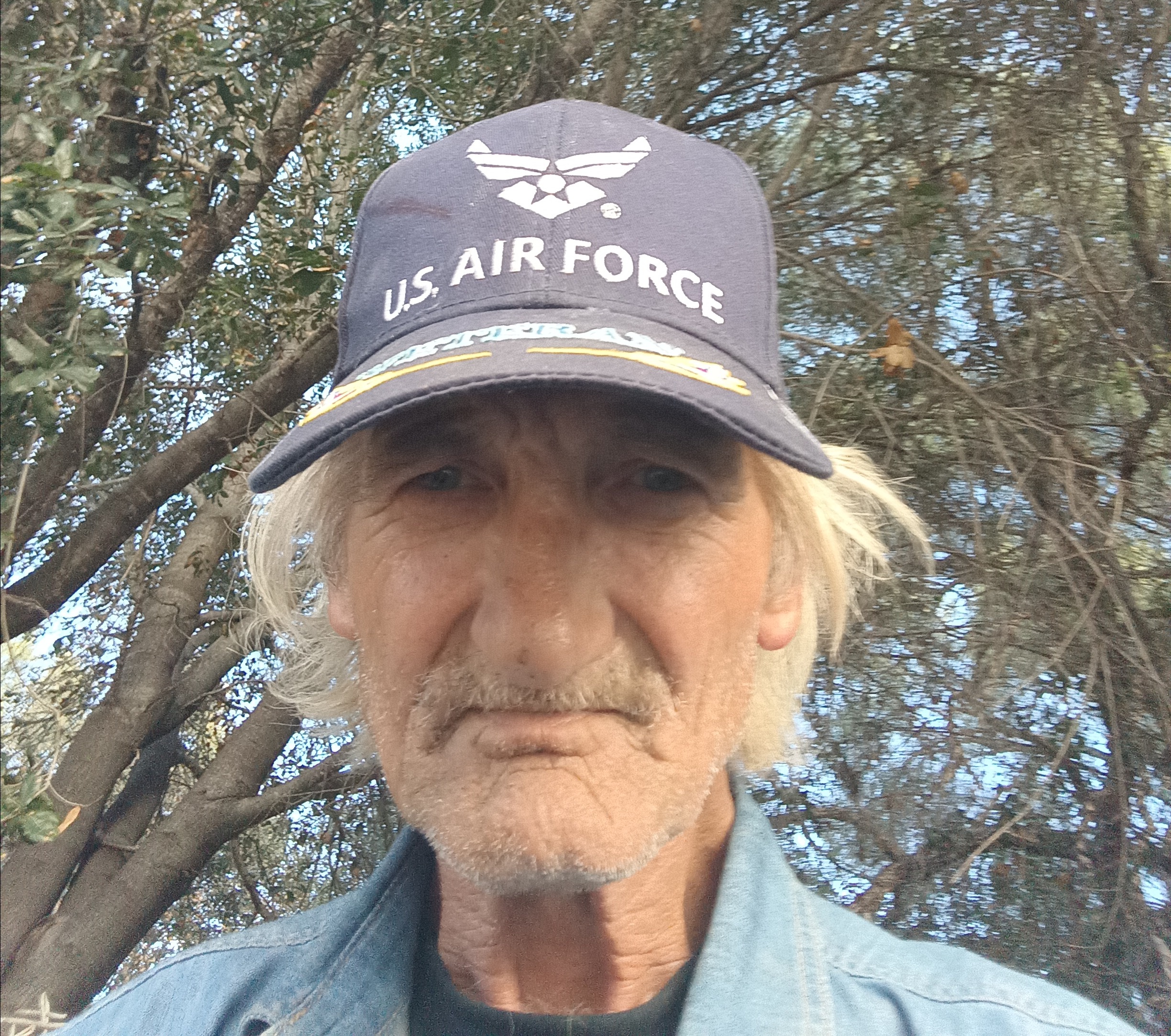
U.S. Air Force

U.S. Air Force
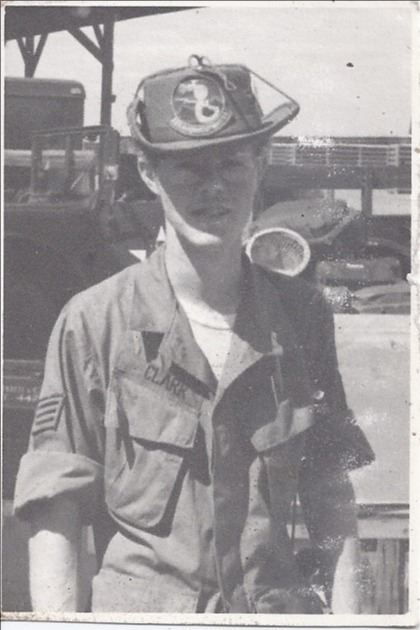
388 AMS • U.S. Air Force • 1972

831st Services Squadron • U.S. Air Force • 2026