
Opening branch overview
Building the branch home surface
Loading branch highlights, featured unit context, and gallery moments.
Overview
Members
Units
Building the branch home surface
Loading branch highlights, featured unit context, and gallery moments.
Building the branch units surface
Loading unit filters, rankings, and the branch unit grid.

1 members•1 unit
Relive and share the memories of your service-time with your brothers and sisters in arms today. VetFriends.com can help you reconnect.
Did you proudly serve in the Ranch Hand?
Are you looking for someone who is or was in the Ranch Hand?
Do you have Ranch Hand photos you'd like to share?
Then join a community with your brothers and sisters of the Ranch Hand.
Branch
U.S. Air Force
Members
1
Operation Ranch Hand was a United States Air Force military unit and operation during the Vietnam War, active from 1962 to 1971. Its primary mission was to conduct aerial herbicide spraying, most famously using Agent Orange, to defoliate forests and destroy crops used by Viet Cong and North Vietnamese forces. Ranch Hand aircraft, mostly C-123 Providers, flew over 20,000 sorties, dispersing millions of gallons of chemical defoliants across South Vietnam, Laos, and Cambodia. The operation had significant environmental and long-term health impacts on both local populations and U.S. military personnel.
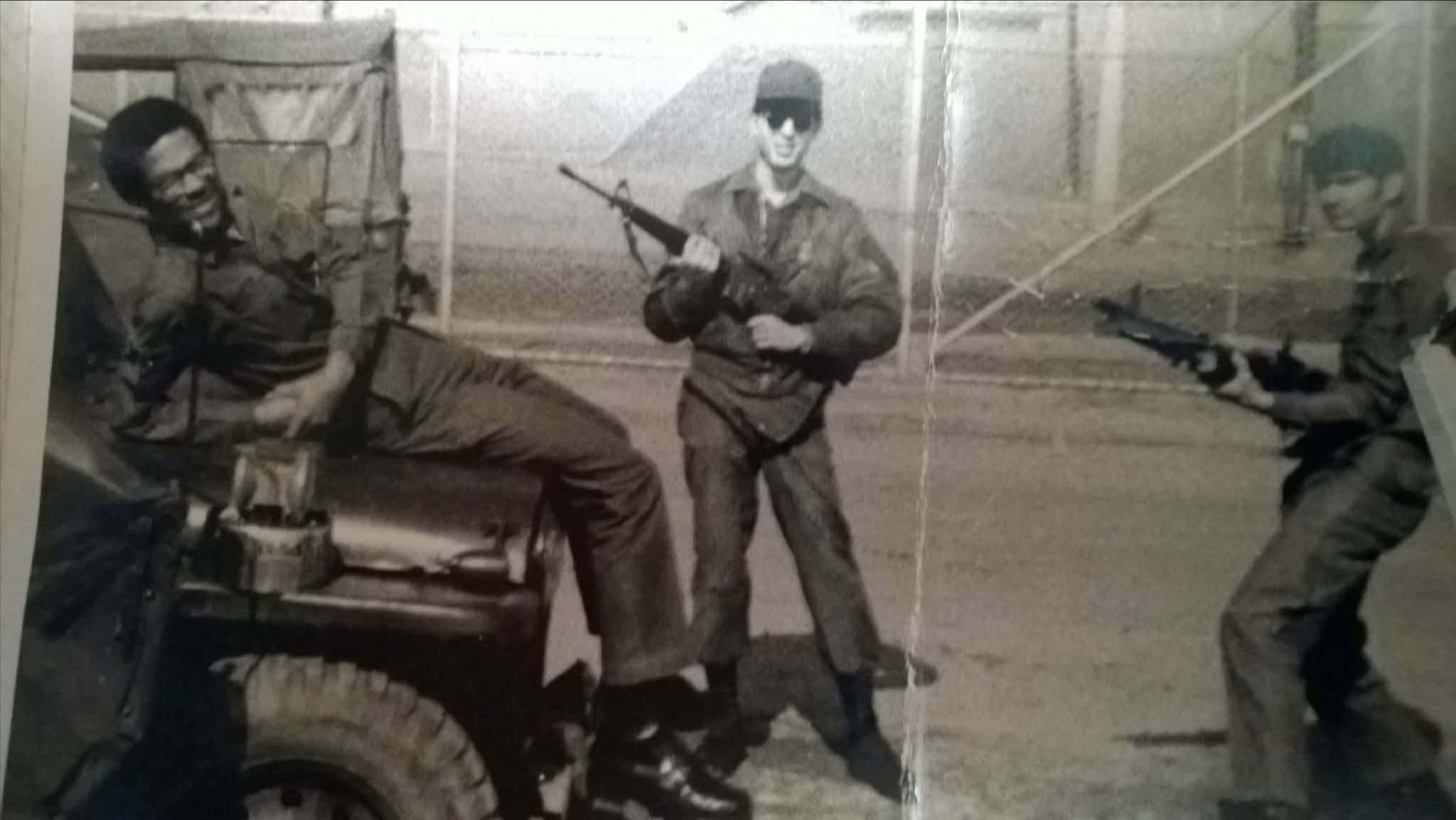
U.S. Air Force • 1972

U.S. Air Force
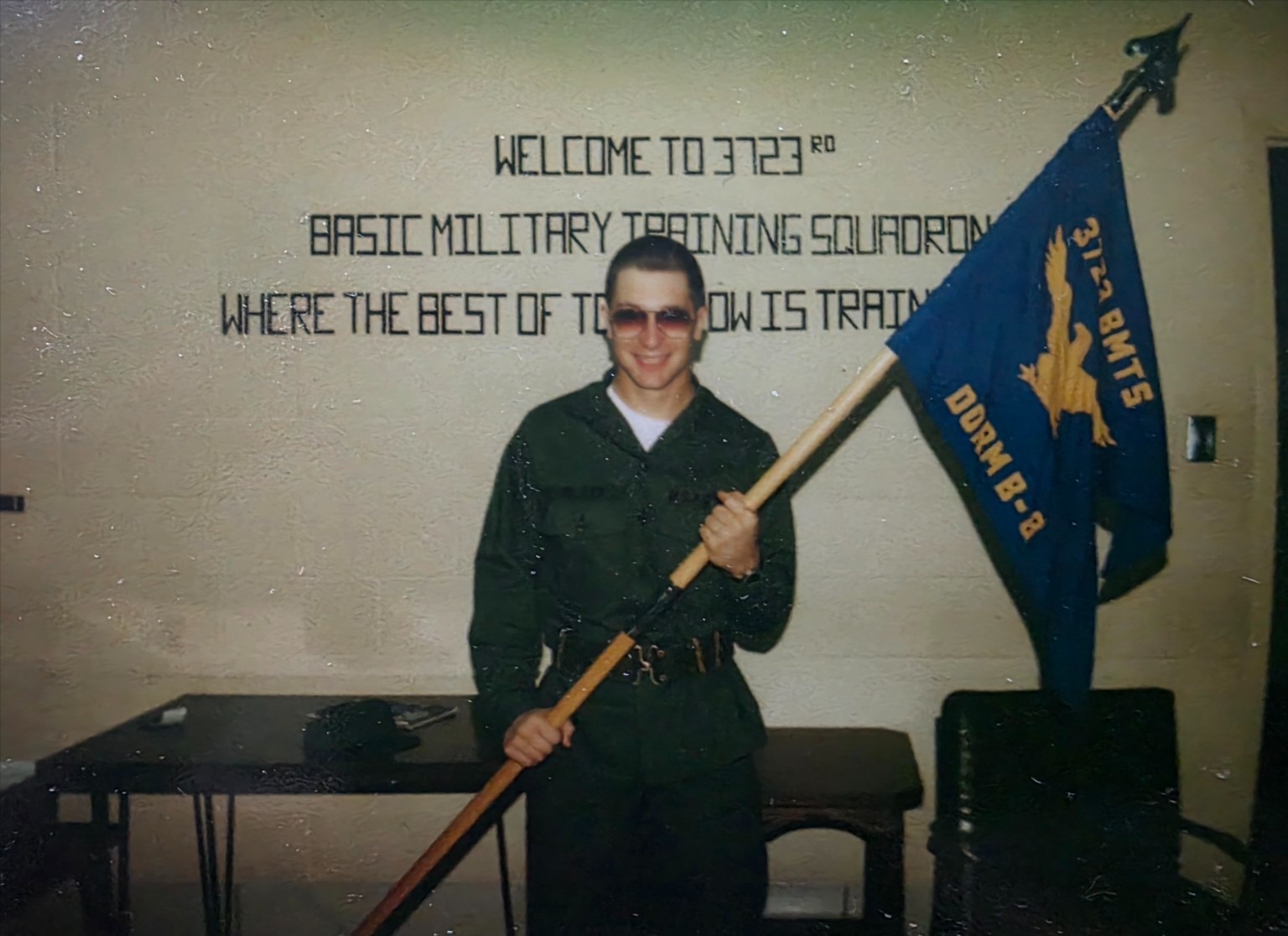
U.S. Air Force
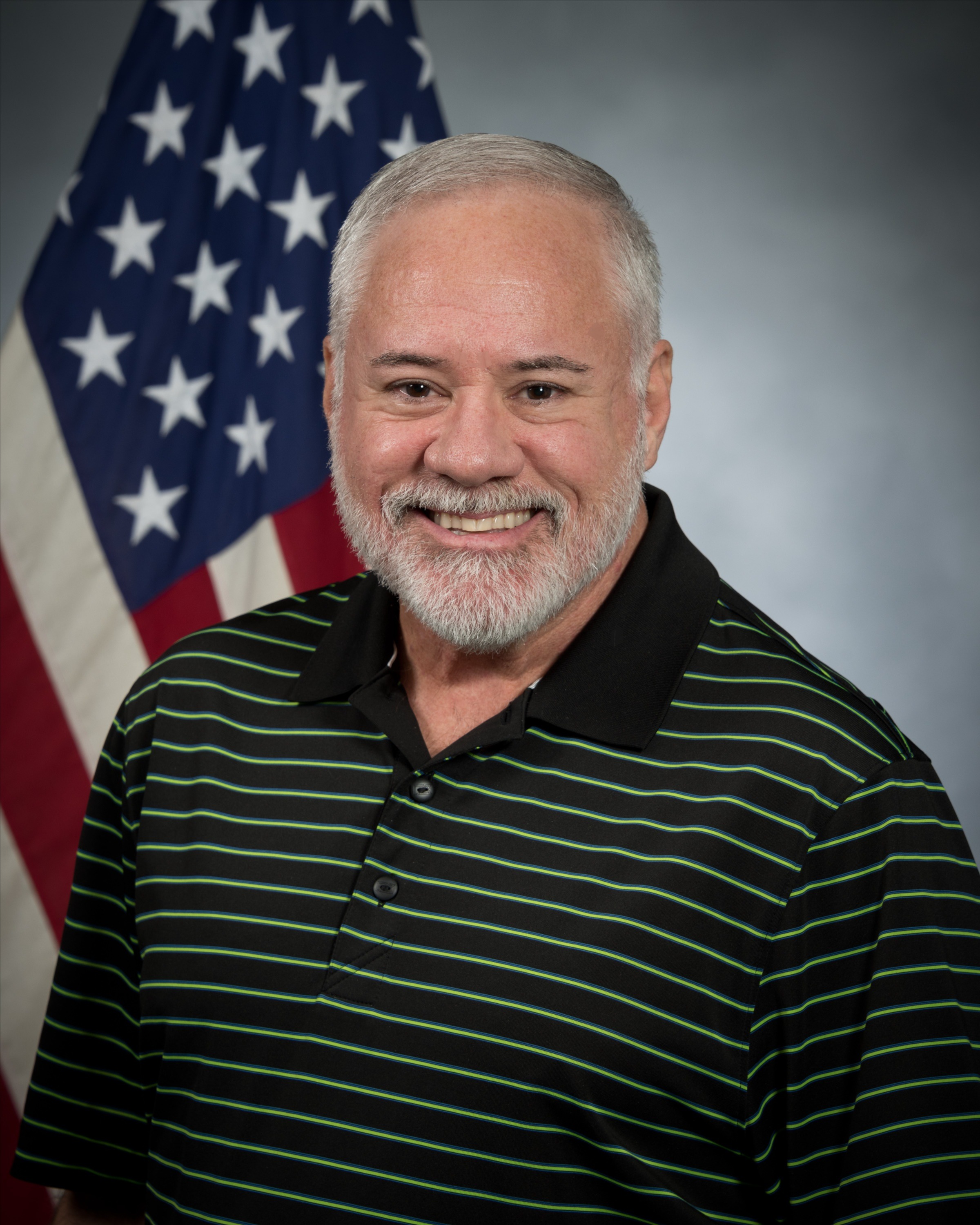
HQ Air University • U.S. Air Force • 2024