
Opening branch overview
Building the branch home surface
Loading branch highlights, featured unit context, and gallery moments.
Overview
Members
Units
Building the branch home surface
Loading branch highlights, featured unit context, and gallery moments.
Building the branch units surface
Loading unit filters, rankings, and the branch unit grid.

38 members•1 unit
Relive and share the memories of your service-time with your brothers and sisters in arms today. VetFriends.com can help you reconnect.
Did you proudly serve in the Radar Bomb Scoring?
Are you looking for someone who is or was in the Radar Bomb Scoring?
Do you have Radar Bomb Scoring photos you'd like to share?
Then join a community with your brothers and sisters of the Radar Bomb Scoring.
Branch
U.S. Air Force
Members
38
Radar Bomb Scoring (RBS) was a specialized United States Air Force unit established during World War II to evaluate bomber crew accuracy and readiness. Utilizing ground-based radar systems, RBS sites tracked practice bombing runs, scoring crews on their simulated attacks without the need for live ordnance. The unit played a crucial role during the Cold War, as Strategic Air Command bombers regularly participated in RBS exercises to maintain nuclear deterrence capabilities and sharpen precision. RBS sites were located across the United States and even overseas, contributing significantly to the improvement of U.S. bomber effectiveness until technological advancements rendered the practice obsolete in the 1990s.

U.S. Air Force • 1983

U.S. Air Force
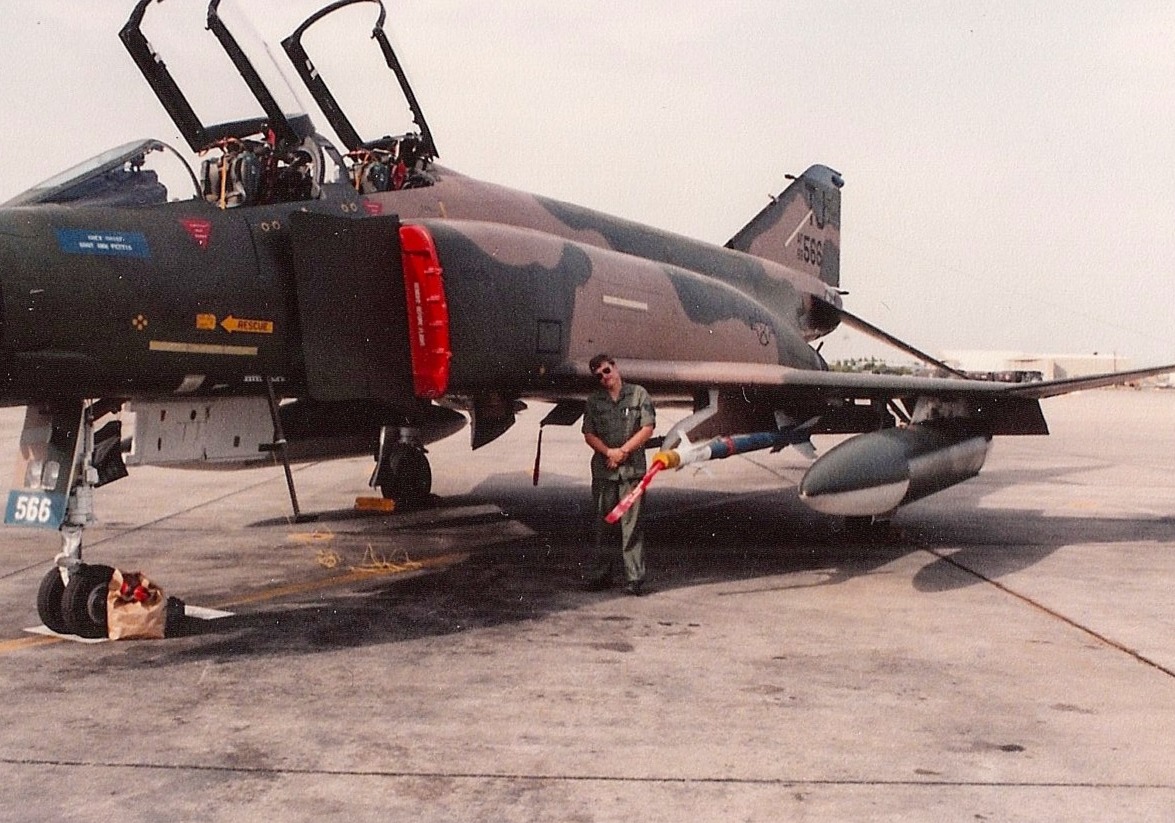
612 AMB • U.S. Air Force • 1981

Sqdn.3743. FLTR W112 • U.S. Air Force • 1983