
Opening branch overview
Building the branch home surface
Loading branch highlights, featured unit context, and gallery moments.
Overview
Members
Units
Building the branch home surface
Loading branch highlights, featured unit context, and gallery moments.
Building the branch units surface
Loading unit filters, rankings, and the branch unit grid.

1 members•1 unit
Relive and share the memories of your service-time with your brothers and sisters in arms today. VetFriends.com can help you reconnect.
Did you proudly serve in the PWHQ AFCENT : LCO Baumholder?
Are you looking for someone who is or was in the PWHQ AFCENT : LCO Baumholder?
Do you have PWHQ AFCENT : LCO Baumholder photos you'd like to share?
Then join a community with your brothers and sisters of the PWHQ AFCENT : LCO Baumholder.
Branch
U.S. Air Force
Members
1
**PWHQ AFCENT / LCO Baumholder** is a military unit associated with NATO’s Allied Forces Central Europe (AFCENT), historically tasked with supporting NATO operations and coordination in Central Europe during the Cold War. Located at Baumholder, Germany, the Local Command Office (LCO) served as a key logistics and administrative hub, supporting both multinational exercises and the readiness of stationed forces. Throughout the latter half of the 20th century, this unit played a vital role in ensuring interoperability among allied forces and maintaining rapid response capabilities. Its legacy includes close cooperation with both U.S. and European military elements, contributing significantly to NATO's deterrence posture in the region.
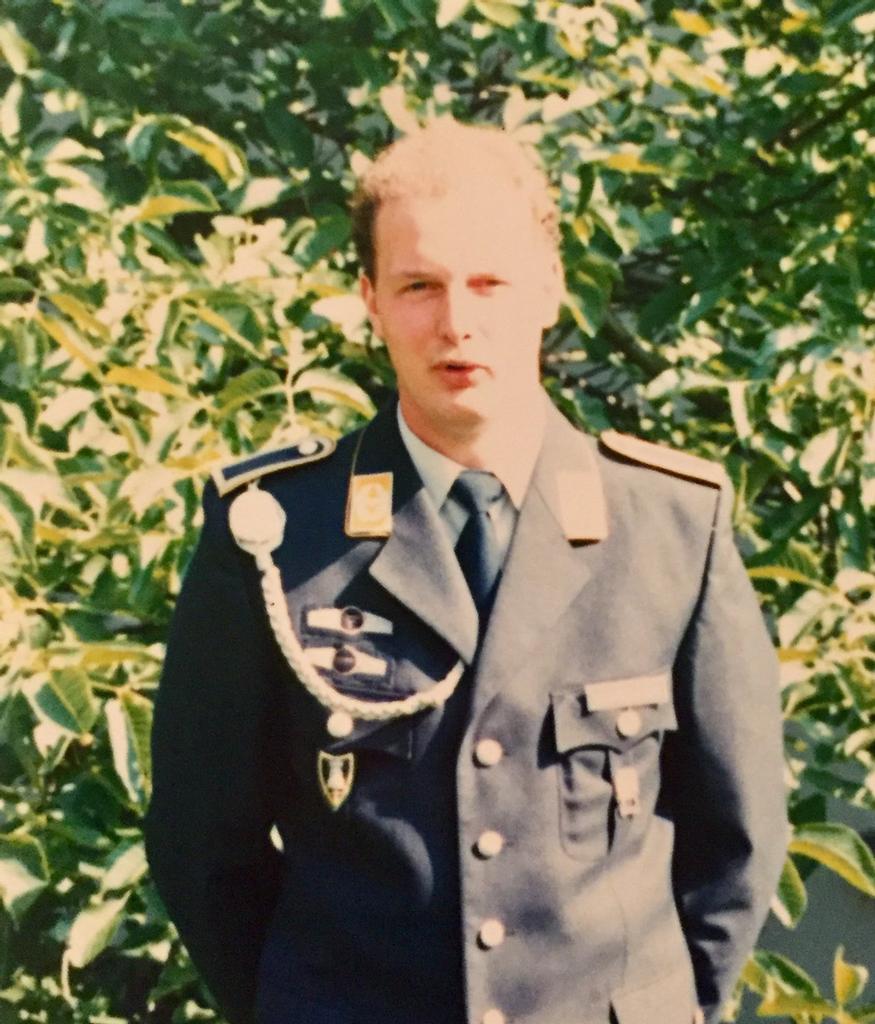
U.S. Air Force